Middle Eastern
The cuisine of the Levant and Eastern Mediterranean: chickpeas, tahini, pita bread, za'atar and cumin spices.
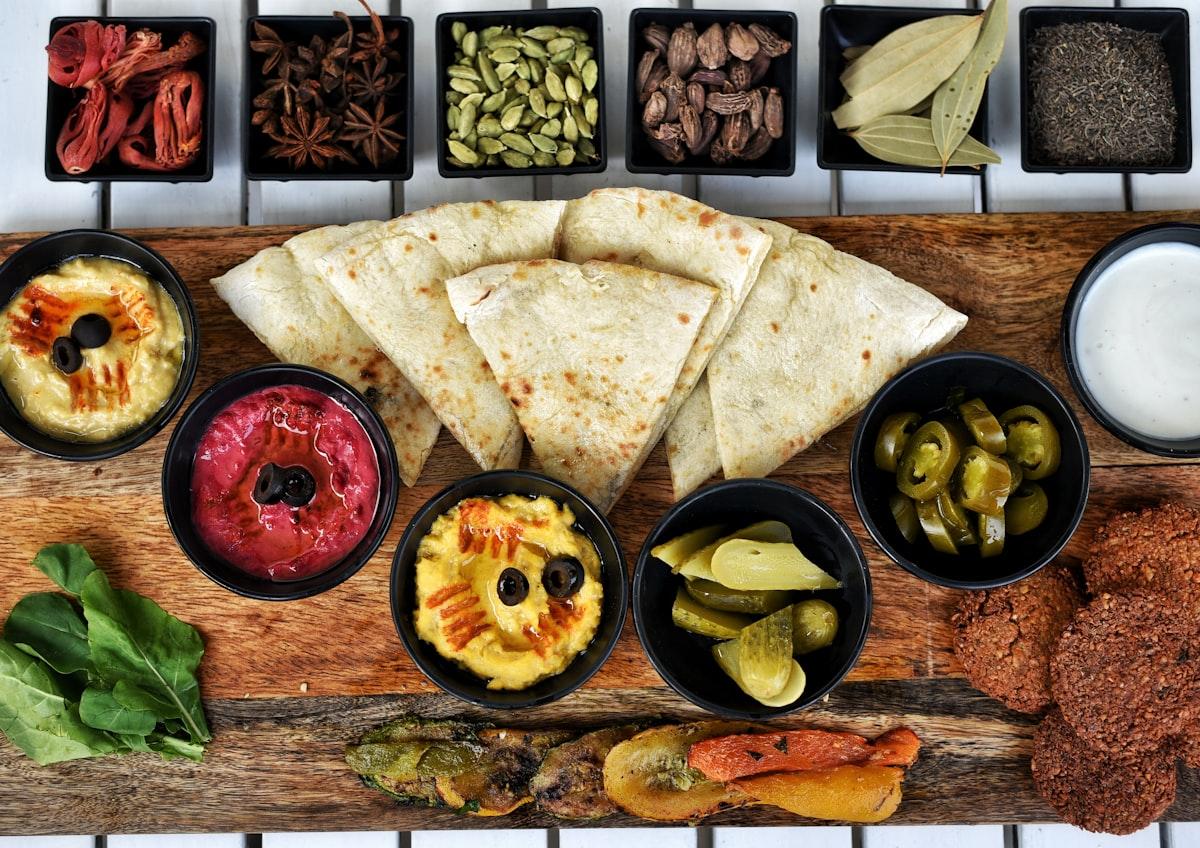
Middle Eastern cuisine, as covered here, draws on the traditions of the Levant — Lebanon, Syria, Israel, Palestine and neighboring Eastern Mediterranean countries. Its backbone is chickpeas in every form: boiled and blended into hummus, or ground into a paste for falafel. Tahini (sesame paste), olive oil, lemon juice, garlic and fresh herbs — parsley, mint, cilantro — create its signature bright yet hearty flavor. Meat here is often thinly sliced off a rotating spit, as in shawarma, and pita bread doubles as both plate and side. Unlike Turkish cuisine with its dense charcoal-grilled kebabs, Levantine Middle Eastern food leans on plant protein, fresh vegetables and vibrant sauces. Here are recognizable recipes from this cuisine.
Frequently asked questions
What is the difference between hummus and falafel?
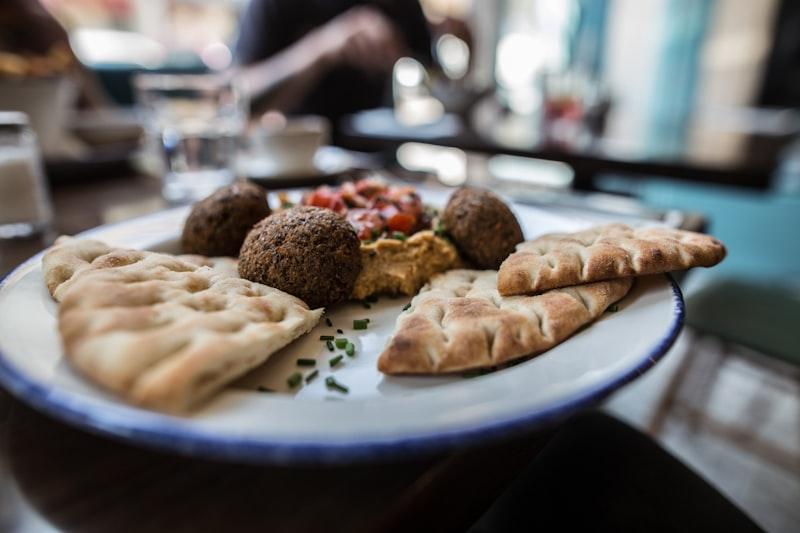
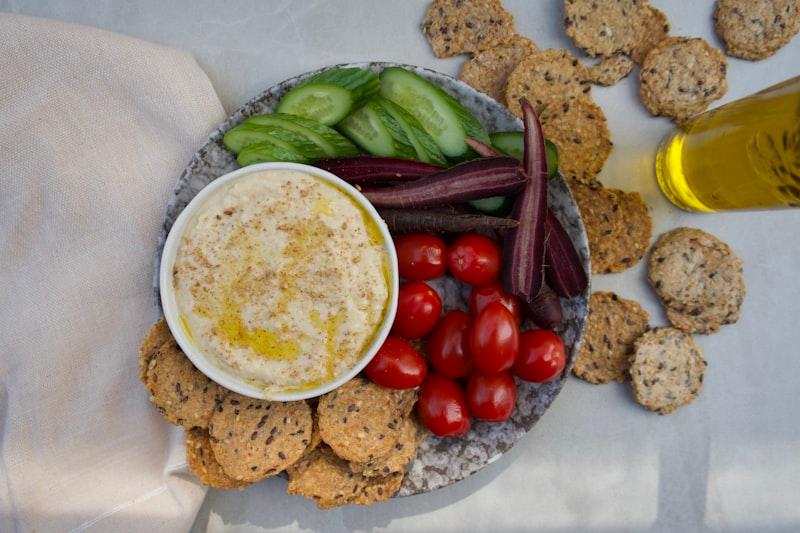
Both are made from chickpeas, but hummus is a paste of boiled chickpeas, tahini and lemon juice, while falafel is deep-fried balls of raw ground chickpeas with spices. Hummus is eaten as a dip, falafel as a snack or pita filling on its own.
How is shawarma from this cuisine different from Turkish doner kebab?
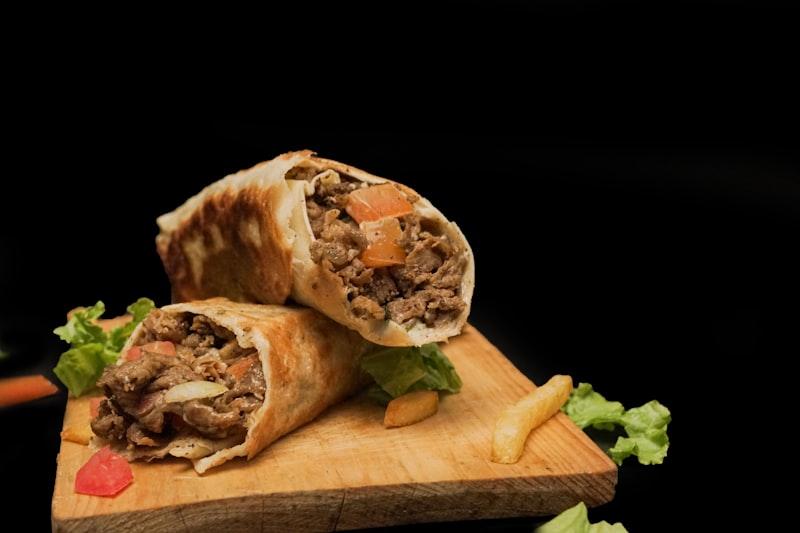
Both are made from meat sliced off a vertical rotisserie, but Levantine shawarma is usually spicier and served with garlic toum or tahini sauce, while doner kebab comes with a yogurt sauce and often a denser bread.
Why does falafel sometimes fall apart when frying?
It's usually too wet a mixture or not enough binding chickpea texture. Chickpeas for falafel aren't boiled — they're soaked raw and dried well before grinding, which is what holds the balls together.