Japanese
Rice, seaweed, dashi broth and a cult of freshness — food straight out of your favorite anime.
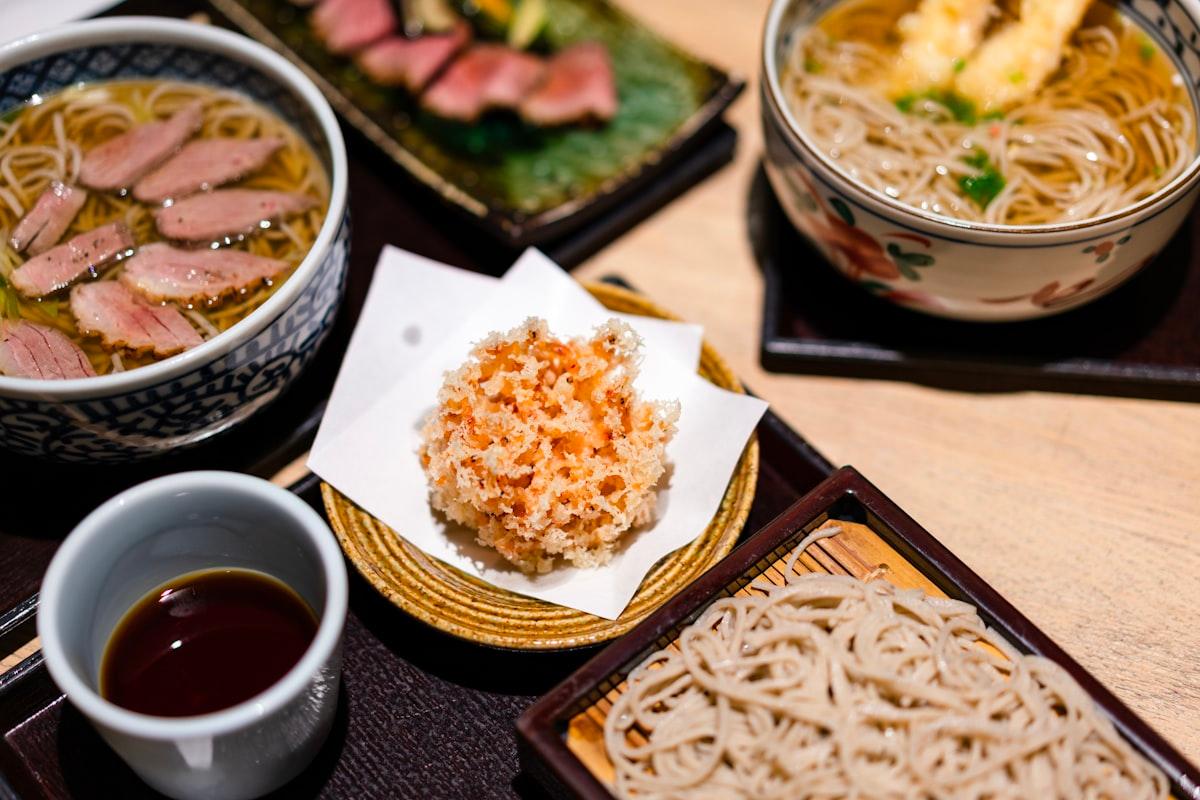
Japanese cuisine is built on a balance of taste, texture, and presentation — rice, soy sauce, miso, and fresh fish sit alongside a strong sense of seasonality: cooking with what's actually in season matters. Sashimi and sushi are just the tip of the iceberg; everyday Japanese food includes gyoza, ramen, onigiri, and countless rice and noodle dishes. Many techniques take practice (rolling sushi evenly, for instance), but most recipes are actually simpler than they look. Here are recognizable Japanese dishes — from homemade sushi rolls to pan-fried gyoza dumplings — with clear proportions and easy substitutes for hard-to-find ingredients.
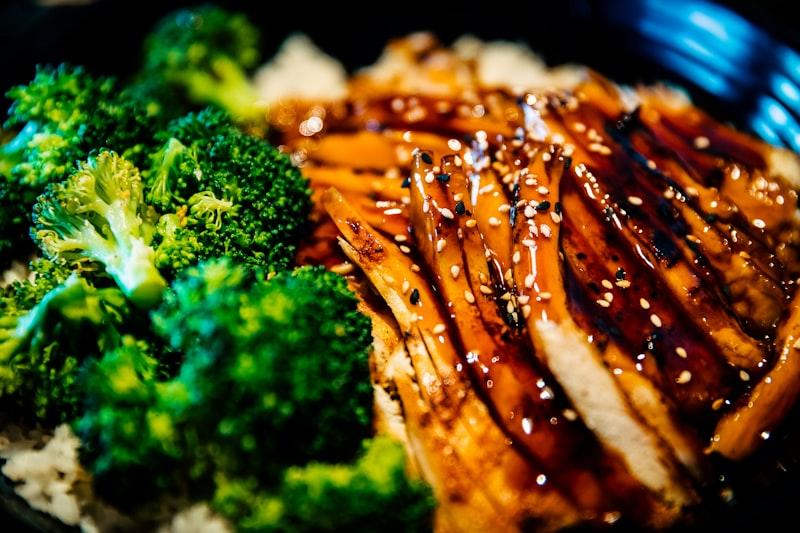
Chicken Teriyaki
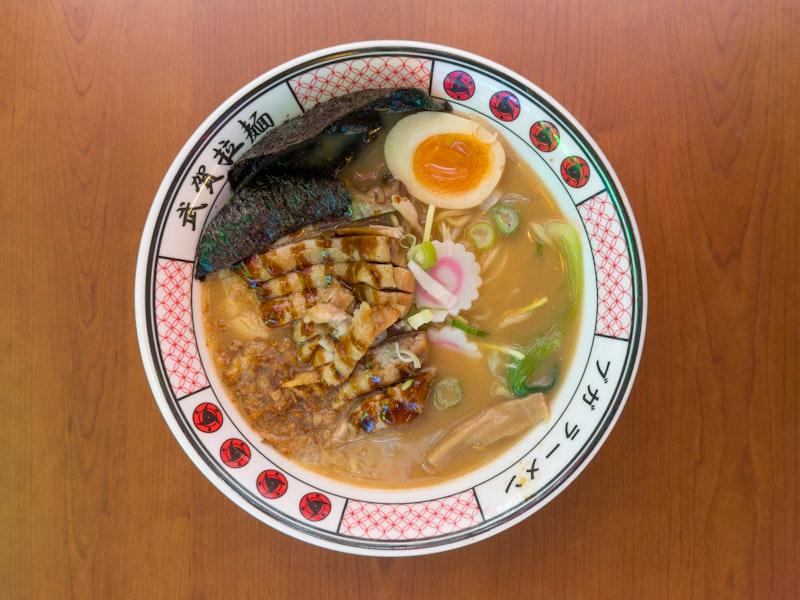
Tonkotsu Ramen
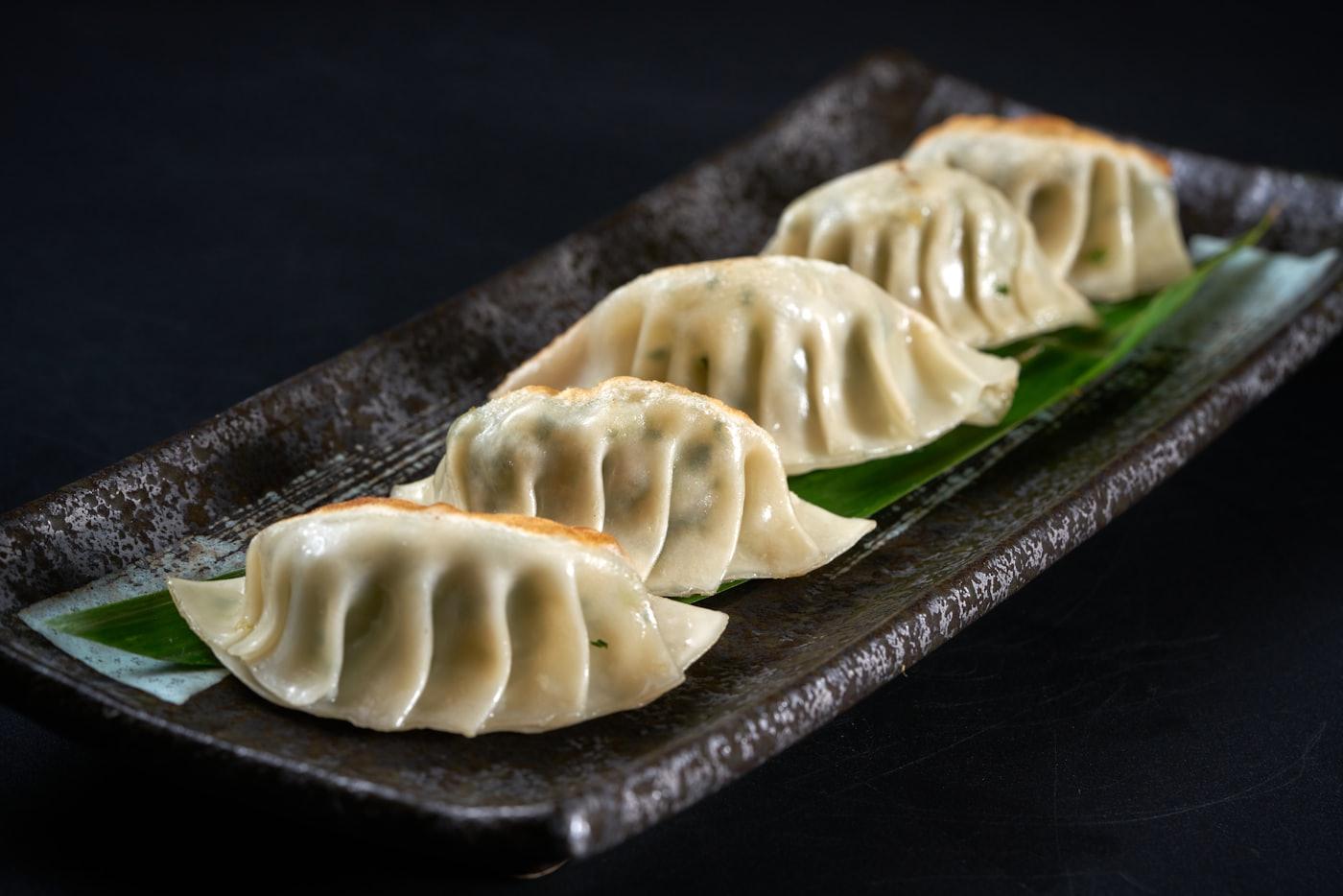
Gyoza (Japanese Dumplings)
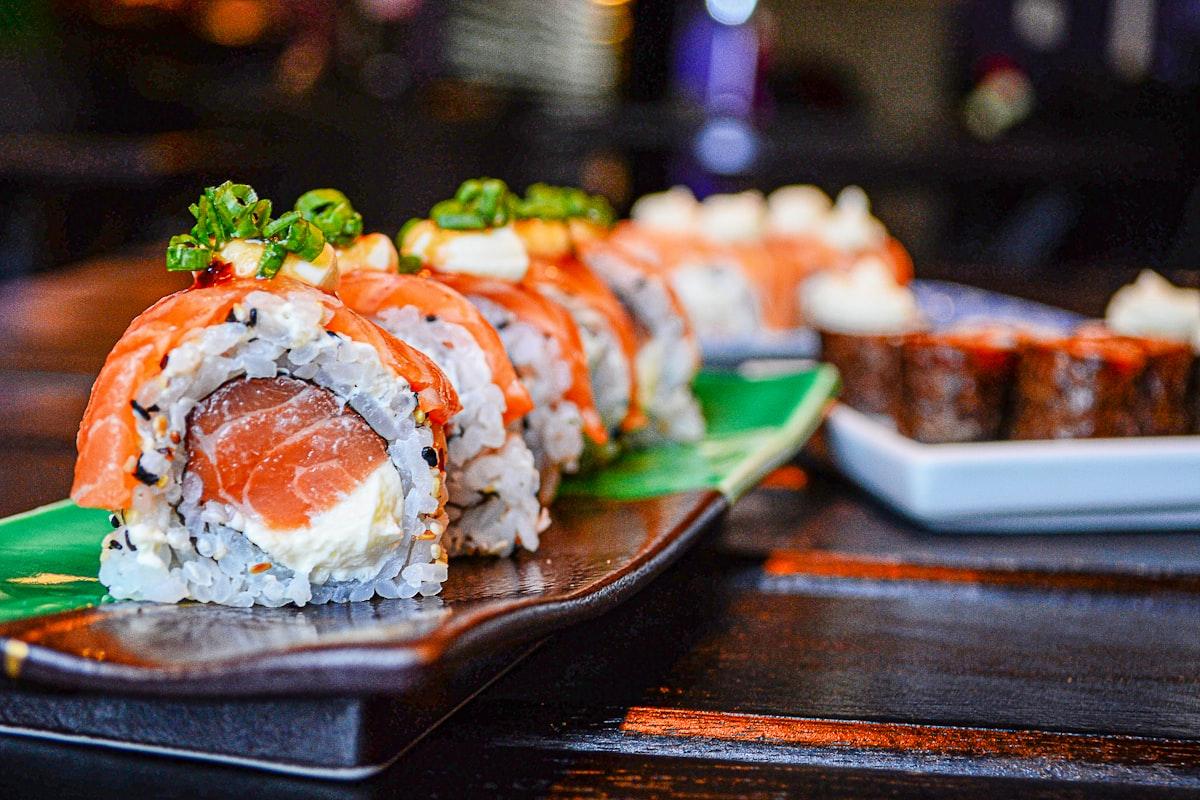
Homemade Sushi Rolls (Maki)
Frequently asked questions
What do you need to make sushi at home?
Maki rolls require sushi rice, rice vinegar, nori sheets, and a bamboo rolling mat. The filling is up to you — from fish to vegetables.
How is gyoza different from regular dumplings?
Gyoza are pan-fried on one side until golden and crisp, then steamed under a lid to finish cooking. That contrast of crispy and tender is the whole point.
Can I use regular rice instead of sushi rice?
It's best to use short-grain sushi rice — it's sticky and holds its shape. Regular long-grain rice falls apart and won't work for rolls.