When people say "sushi," most picture neat little rolls of salmon and cucumber doused in soy sauce. In reality, that's just one small corner of a vast culinary world. The word "sushi" (寿司) originally referred not to fish at all, but to tart, vinegared rice — and it's the seasoned rice, not the seafood, that ties together every true type of sushi. Fish and vegetables matter, but it's the rice that makes the dish what it is.
The history of sushi is rooted in preservation: in Southeast Asia and later in Japan, fish was fermented in rice so it would keep longer. The rice was discarded and only the fish was eaten. The sushi we know today is a relatively recent invention: the familiar nigiri appeared in Tokyo (then Edo) in the first half of the 19th century as a kind of street fast food. A chef named Hanaya Yohei is often credited with popularizing the quick "ball of rice plus slice of fish" format.
In this guide we'll walk through the main types of sushi — nigiri, maki, uramaki, temaki, sashimi and gunkan — talk about table etiquette, and explain why the right rice matters more than expensive fish. And if reading this makes you want to cook something Japanese yourself, you'll find links to our recipes at the end.
Nigiri: rice and fish in their purest form
Nigirizushi (握り寿司) is arguably the most "honest" form of sushi. The chef hand-shapes an oblong mound of rice and lays a slice of fish or seafood (the neta) on top. A thin smear of wasabi often hides between the rice and the fish. No nori, no rolling — just the balance of warm rice, the texture of the fish, and a gentle tang.
Nigiri is considered the best way to judge ingredient quality and the chef's skill. There's nowhere to hide stale fish or poorly cooked rice. Classic neta include tuna (maguro), salmon (sake), shrimp (ebi), eel (unagi), and sea urchin (uni). Eel and a few other toppings are served not raw but cooked and brushed with a sweet sauce.
There's an important subtlety: the rice in good nigiri should be slightly warm (around body temperature), while the fish stays cool. That contrast is part of the design, which is exactly why freshly made nigiri tastes better than pieces that have been sitting in the fridge.
Maki and uramaki: the rolls that conquered the world
Makizushi (巻き寿司) means "rolled sushi" — these are the rolls everyone knows. Rice and fillings are wrapped in a sheet of dried seaweed (nori) using a bamboo mat (makisu), then sliced into pieces. Depending on thickness, there are several subtypes:
- Hosomaki — thin rolls with a single filling (cucumber only, kappamaki, or tuna only, tekkamaki). The nori is on the outside.
- Futomaki — thick rolls with several fillings, often colorful and festive.
- Uramaki — "inside-out" rolls where the rice is on the outside and the nori inside. The famous California roll, with crab, avocado and cucumber, belongs here.
Interestingly, uramaki and many popular rolls are largely a Western invention. The California roll was created in the United States (likely in Los Angeles in the 1960s–70s) to hide the unfamiliar nori inside and swap raw tuna for avocado. So the heavily "loaded" rolls with sauces and tempura batter aren't traditional Japan at all — they're Japan adapted to a global palate. And that's perfectly fine: cuisine is alive and ever-changing.
Temaki: sushi you eat with your hands
Temaki (手巻き, "hand-rolled") is sushi shaped like a cone. A sheet of nori is rolled into a cornet, filled with rice, fish and vegetables, and eaten right away while the nori is still crisp. Temaki isn't sliced into pieces — it's a casual, friendly format often assembled right at the table, with everyone building their own cone.
The golden rule of temaki is to eat it fast. Nori absorbs moisture from the rice and filling very quickly, turning chewy and losing its signature crunch. If you've ever hosted a sushi party at home, temaki is the ideal choice: no bamboo mat and no slicing skills required.
Sashimi: actually not sushi at all
Let's set the record straight here. Sashimi (刺身) is thinly sliced raw fish or seafood served without rice. Technically, sashimi isn't sushi at all, since sushi is defined precisely by the presence of vinegared rice. The two are often confused because they're served together and eaten in the same setting.
Sashimi is prized for the purity of its flavor: a quality cut of fish, a little soy sauce, wasabi, pickled ginger. It's usually served on a bed of shredded daikon radish. If nigiri is fish in a "duet" with rice, sashimi is the fish performing solo. That's why it's held to the very highest standards of freshness.
Gunkan: the "battleship" of rice
Gunkan-maki (軍艦巻き, "battleship rolls") got their name from a shape resembling a ship's hull. An oval mound of rice is wrapped in a strip of nori to form a wall, and a soft or loose topping is placed on top — something that otherwise wouldn't stay put on the rice. Classic gunkan toppings include flying fish roe (tobiko), salmon roe (ikura), and sea urchin (uni).
Gunkan was invented at the Ginza Kyubey restaurant in Tokyo in the 1940s, specifically to serve "unruly" toppings like roe. It was a clever solution that grew into its own recognizable type of sushi.
Etiquette: how to eat sushi properly
A lot of mythology has built up around the "one true" way to eat sushi. In reality there are fewer hard rules than you might think, but a few guidelines will help you feel more confident:
- It's fine — even expected — to eat nigiri with your hands. Save the chopsticks for rolls and sashimi.
- Dip the fish, not the rice. Flip the nigiri over and dip it fish-side down into the soy sauce so the rice doesn't fall apart or soak up too much salt.
- Wasabi is a matter of taste. In good nigiri, the chef has already added as much wasabi as they think it needs. Stirring wasabi into your soy sauce is considered a bit improper in Japan.
- Ginger goes between bites. Pickled ginger (gari) is meant to refresh your palate before the next kind of fish, not to be piled on top of the sushi.
- One piece at a time. Sushi is designed to be the perfect single bite, so it's not meant to be eaten in halves.
And above all — don't overthink it. Even in Japan, attitudes toward etiquette are growing more relaxed. Enjoying your meal matters more than flawlessly observing the ritual.
The heart of sushi is the rice
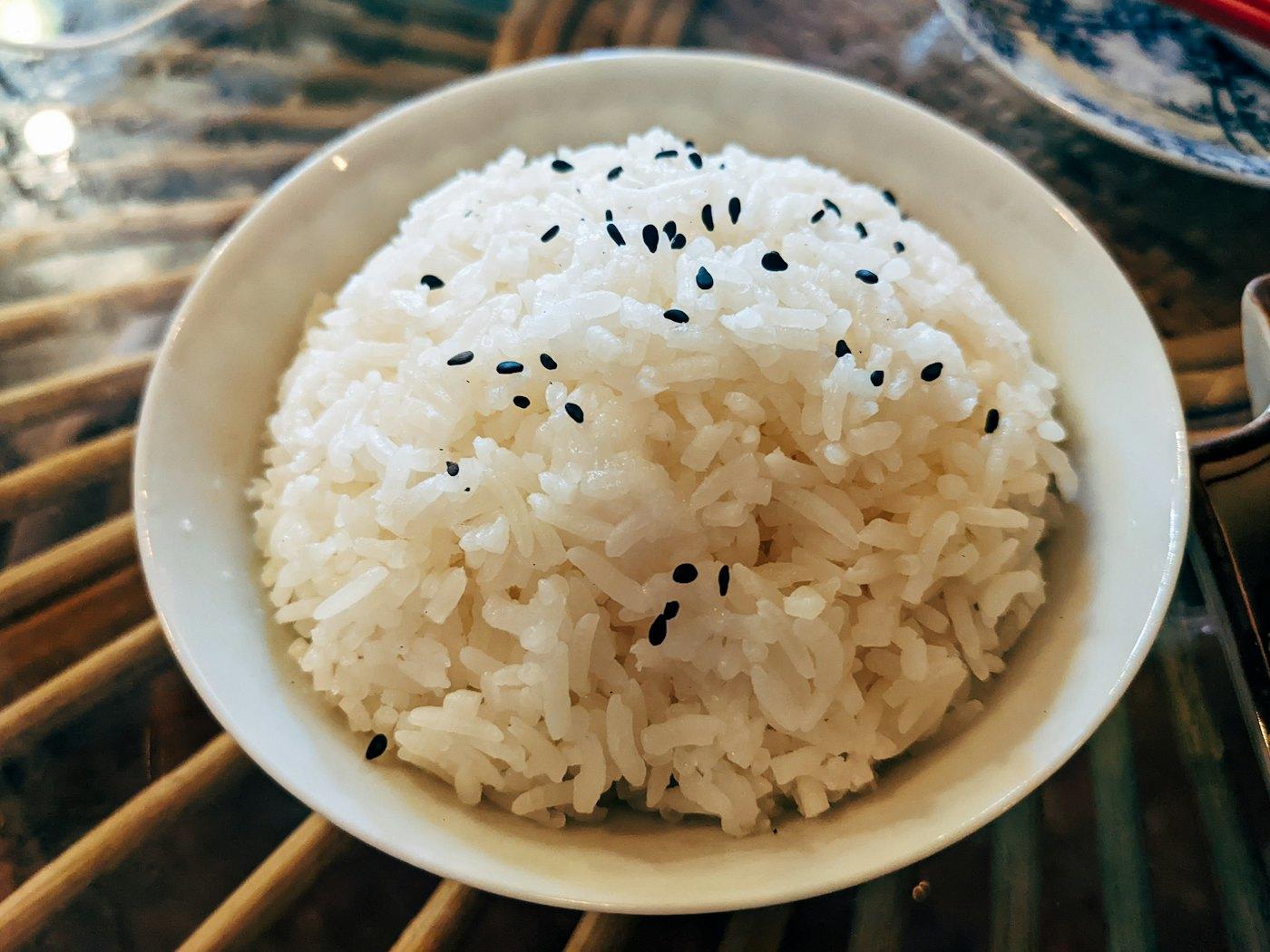
Professional sushi chefs (itamae) spend years learning to cook rice, not to cut fish. Sushi rice (sumeshi, or shari) is specially prepared short-grain rice seasoned with a mix of rice vinegar, sugar and salt. It should be sticky enough to hold its shape but never mushy, with each grain staying distinct.
A few principles for good sushi rice:
- use genuine short-grain or medium-grain Japanese rice — long-grain won't give the right stickiness;
- rinse the rice thoroughly until the water runs almost clear;
- fold the seasoning (rice vinegar, sugar, salt) into the hot rice with gentle cutting motions rather than stirring;
- cool the rice to body temperature while fanning it, so it turns glossy and springy.
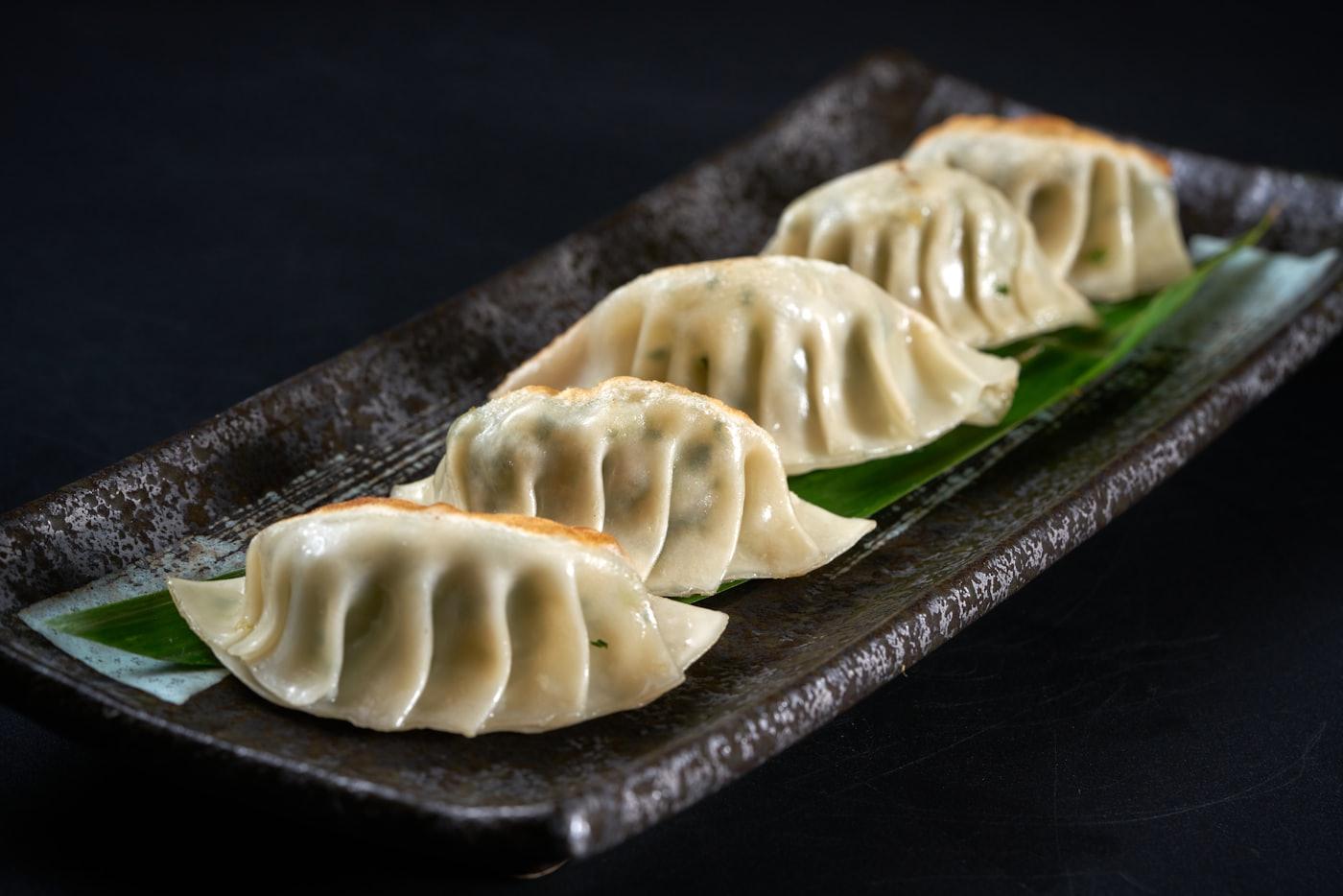
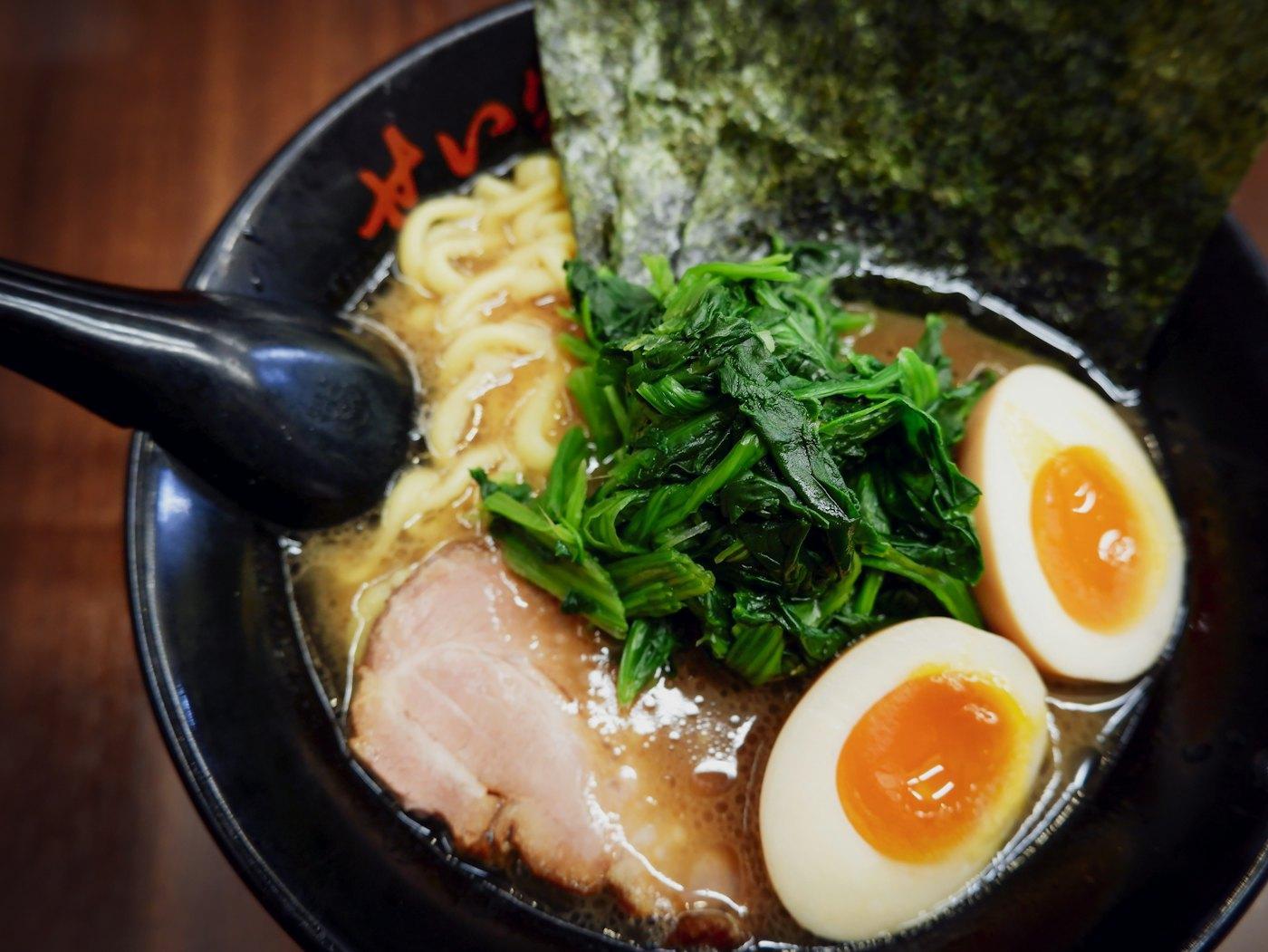
If you're just starting out with Japanese cooking, begin not with rolls but with something simpler and more forgiving. A great first step is Onigiri from Spirited Away: rice triangles that let you practice handling Japanese rice without the pressure of "perfect slicing." And to build a full Japanese dinner, pair your sushi with Gyoza (Japanese Dumplings) and a comforting bowl of Ichiraku Ramen from Naruto — together they make a real culinary tour of Japan, from street food to the home table.
Conclusion
The world of sushi is far wider than "salmon rolls." Nigiri teaches you to value simplicity and quality, maki and uramaki show how a cuisine travels and adapts, temaki turns dinner into a game, sashimi is an ode to the pure flavor of fish, and gunkan cleverly solves the problem of "unruly" toppings. And behind every one of these types stands the same hero — properly prepared, gently tart rice.
Start small: master the rice, try shaping nigiri or assembling temaki at home, and don't be afraid to experiment. And when you're ready for more, Japanese cuisine has a whole ocean of flavors waiting for you.