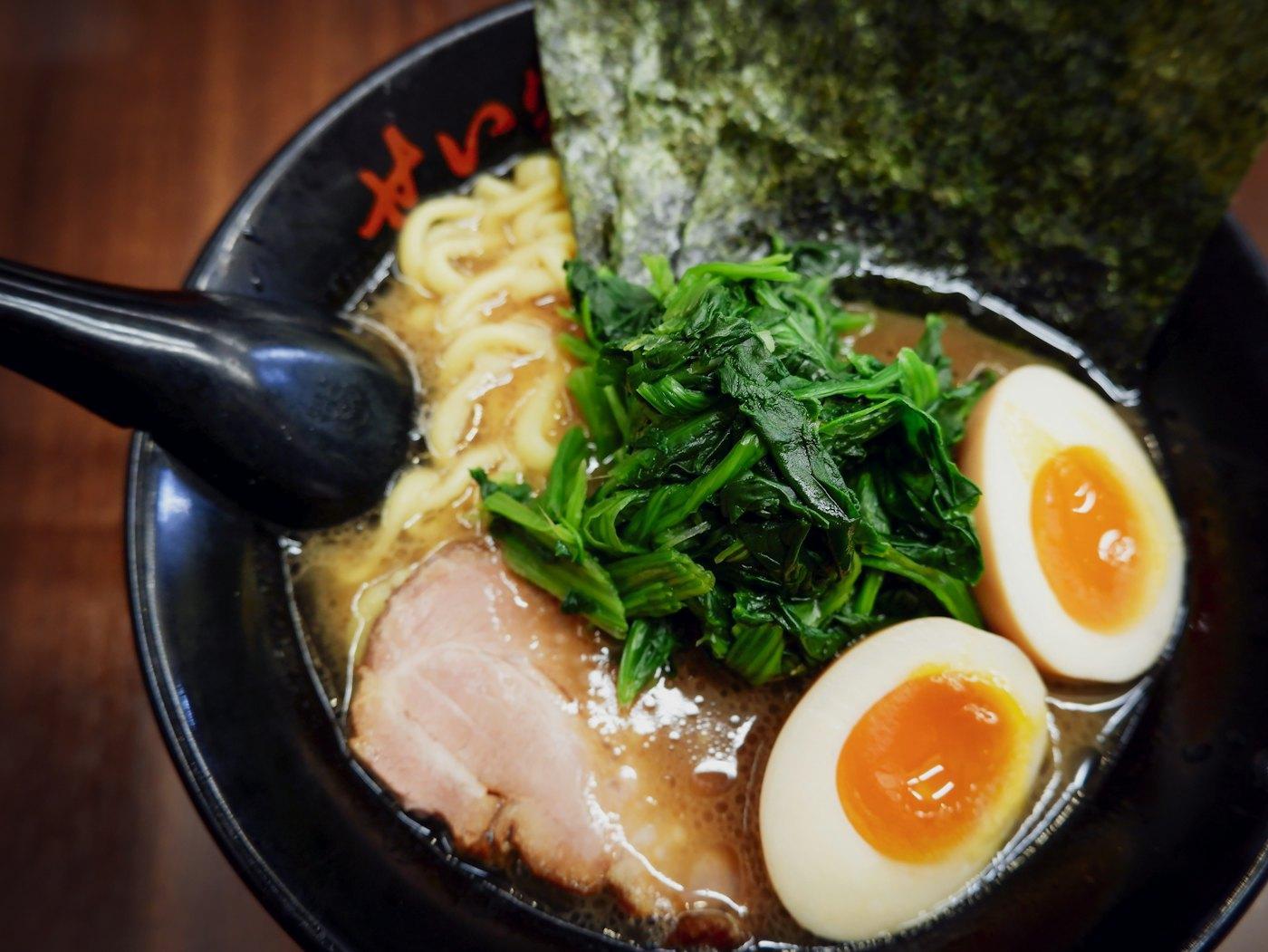
Asian noodles are an entire universe of flavors, textures and stories. Japan alone has several completely different kinds, and once you add Vietnam, China and Central Asia, the variety becomes almost endless. Noodles can be made from wheat or buckwheat, rice or egg; they can be thin as thread or thick as a finger. And each one is designed for its own broth, sauce and way of serving.
Making sense of it all is easier than it looks. Just remember the core idea: in Asia, noodles are not treated as a side dish next to a piece of meat — the whole dish is built around them. Broth, toppings, spices and the noodles themselves work together as an ensemble. Swap one element and the dish becomes something else entirely.
In this article we will walk through the most famous types of Asian noodles: the Japanese ramen, udon, soba and somen, Vietnamese pho, Central Asian lagman, and the versatile rice noodle. At the end we will tie it all back to the most popular question — how to make a proper bowl of ramen at home.
Japanese noodles: ramen, udon, soba, somen
Japan is arguably the noodle capital of the popular imagination. There is a clear system here: each kind of noodle is made from a specific base and served in a strictly defined context.
Ramen
Ramen is a wheat noodle made from flour, water, salt and kansui (an alkaline solution) that gives it a characteristic yellowish color, springiness and a slightly bouncy bite. Even though ramen has become a culinary symbol of Japan, the dish has Chinese roots: noodles in this style were brought over by Chinese cooks around the turn of the twentieth century and grew into a culture of their own once in Japan.
Ramen is always served as noodles in a hot broth. Broths are classified by their base (tonkotsu from pork bones, tori from chicken, gyokai from fish and seafood) and by the tare — the seasoning sauce that sets the flavor: shoyu (soy), miso, shio (salt). On top go the toppings: chashu pork slices, a marinated ajitama egg, menma bamboo shoots, green onion, nori, corn. There are dozens of regional styles, from the rich miso ramen of Sapporo to the clear shoyu ramen of Tokyo.
Ramen is also the noodle that most often becomes a pop-culture hook. The best-known example is the Ichiraku ramen shop from the anime Naruto, where the hero eats miso ramen with pork. If you want to recreate that bowl at home, we have a detailed recipe: Ichiraku Ramen from Naruto.
Udon
Udon is a thick, white wheat noodle — soft and slightly chewy. Unlike ramen, udon dough contains no kansui, so it is more neutral in flavor and noticeably more tender in texture. Udon is served hot in dashi broth (made from kombu kelp and bonito flakes called katsuobushi), cold with a dipping sauce, or pan-fried (yaki-udon).
Classic versions include kitsune udon with fried tofu, tempura udon with battered shrimp, and curry udon in a thick Japanese curry sauce. Udon is heartier than ramen and reads as a homey, comforting dish.
Soba
Soba is made from buckwheat flour (often with some wheat added for elasticity) and has a distinctive grayish color and a light nutty flavor. It is one of the more wholesome kinds of noodle: buckwheat is rich in protein, though most soba still contains a share of wheat. Soba is eaten both hot in broth and cold — zaru soba is served on a bamboo rack with a tsuyu dipping sauce. In Japan there is a tradition of eating toshikoshi soba on New Year's Eve: the long strands symbolize a long life.
Somen
Somen is the thinnest of Japanese wheat noodles, almost like thread. It is stretched by hand with a little vegetable oil and dried. Somen is a summer dish: it is served cold, sometimes right in ice water or in a flume of running ice water (nagashi somen), and eaten with a light tsuyu sauce. Its delicate texture makes somen refreshing in the heat.
Vietnamese pho: rice noodles in fragrant broth
Pho (roughly pronounced like fuh with a rising tone) is Vietnam's national dish and one of the most recognizable in the world. It is a flat rice noodle in a clear yet deeply flavored broth, simmered for hours on beef or chicken bones with charred onion and ginger and a set of spices: star anise, cinnamon, clove, cardamom, coriander.
The two main versions are pho bo (with beef) and pho ga (with chicken). Pho comes with a plate of fresh herbs and add-ons that each diner adds to taste: mung bean sprouts, basil and cilantro leaves, lime wedges, slices of hot chili. This assemble-at-the-table approach is what makes pho such a lively, personal dish.
Pho appeared relatively recently — in early twentieth-century northern Vietnam — and quickly became the number one street food. After the war, Vietnamese emigrants carried the recipe around the globe, and today pho is eaten everywhere from Hanoi to California.
Lagman: the noodle of Central Asia
Lagman is a dish that unites Uyghur, Uzbek, Kazakh and Dungan cuisines. Its foundation is a wheat noodle that is traditionally hand-pulled: the dough is rolled into a rope and repeatedly folded and stretched until it turns into long, elastic strands. This process links lagman to the Chinese lamian, from which it most likely descends.
Lagman is rarely just a soup. More often it is noodles with a thick gravy of meat (beef or lamb) and plenty of vegetables — bell pepper, tomatoes, radish, garlic, herbs — seasoned with cumin and other spices. There is a wet lagman (with broth, closer to a soup) and a dry, stir-fried guiru lagman, where the noodles are fried with the gravy almost without liquid.
Rice noodles: the universal player
Rice noodles are a vast family found all across East and Southeast Asia. Made from rice flour and water, they are gluten-free and have a neutral taste that readily soaks up sauces and broths.
A few common types:
- Rice vermicelli (thin as threads) — the base of Vietnamese bun and many noodle salads.
- Flat rice noodles — used in pho and in Thai pad thai.
- Wide rice noodles — for stir-fries such as Cantonese char kway teow.
- Dried rice vermicelli (often confused with glass noodles, though true glass noodles are made from mung bean starch) — they soften quickly in boiling water.
The great virtue of rice noodles is speed and ease: they are usually not boiled for long but soaked or blanched, after which they are ready for a stir-fry, a soup or a salad.
How to choose without getting confused
To find your way quickly, keep three questions in mind: what the noodle is made of, how thick it is, and how it is served.
- Wheat with kansui, springy, in broth — that is ramen.
- Thick white wheat, soft — udon.
- Buckwheat, grayish, nutty — soba.
- Very thin wheat, cold in summer — somen.
- Flat rice in a clear spiced broth — pho.
- Hand-pulled wheat with a thick meat-and-vegetable gravy — lagman.
- Translucent, mild, made from rice — rice noodles.
Conclusion: start with ramen
Asian noodles only seem like a complicated subject until your first successful bowl made with your own hands. Once you grasp the logic of noodles + broth + toppings, every other type falls neatly into place.
The best starting point is ramen: it is impressive, recognizable and forgiving of a beginner's small mistakes. And if you want to add a pinch of magic and cook that very bowl from the anime, take a look at our recipe for Ichiraku Ramen from Naruto — a tasty and approachable way to begin your journey into the world of Asian noodles.