An anime marathon is a ritual all its own. You pick a title, put the kettle on, draw the curtains, and disappear into another world for hours. And in almost every one of those worlds, the characters are eating something: a steaming bowl of ramen, a triangular onigiri tucked into a bento box, skewers of dango at a spring festival. Food in anime is drawn so lovingly that you half want to reach into the screen. The good news: most of these dishes are easy to recreate at home, and they happen to be perfect for a long evening in front of the TV.
The guiding rule for a marathon menu is simple — the food has to be convenient. Nothing that needs a knife and fork, nothing that drips onto your keyboard or stains the blanket. The ideal format is anything you can eat with your hands or chopsticks, in small bites, that won't turn into a disaster if you get stuck on a cliffhanger. Japanese cuisine nails this perfectly: onigiri, dango, snacks, and a hot ramen bar cover every need, from a proper dinner to an endless something-to-nibble during the opening theme.
Below is a ready-made spread. It scales easily: for a solo night, ramen and a couple of onigiri are plenty, while for a group of four or five it's worth rolling out a full ramen bar and a platter of snacks. Let's go through it step by step — what to prep ahead, what to assemble live, and what to wash it all down with.
The Ramen Bar: Heart of the Table
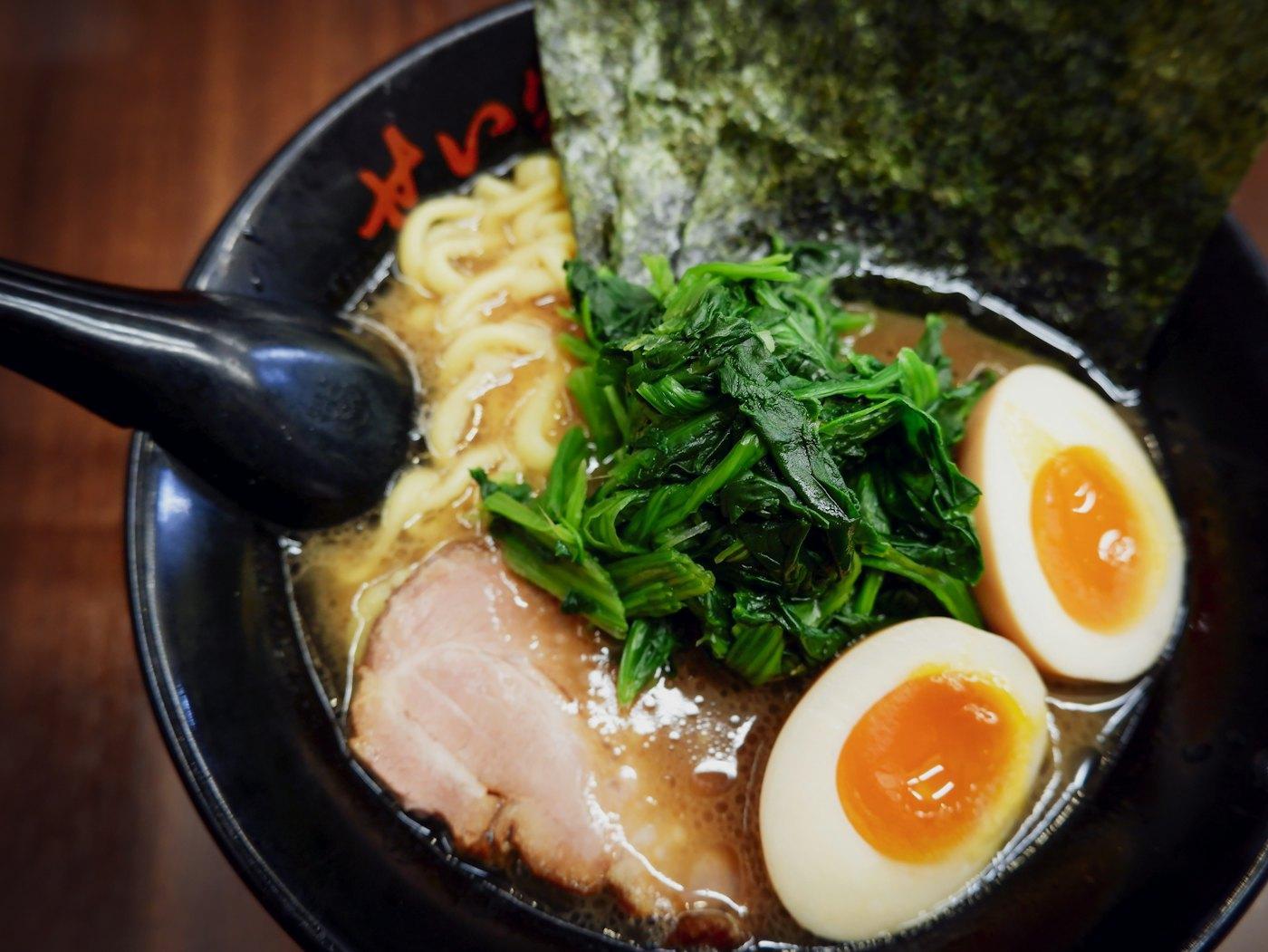
Ramen is probably the single most recognizable dish in all of anime. Naruto Uzumaki worships it, characters line up at street stalls for it, and the steam rising off a bowl gets drawn with more care than some landscapes. Real ramen is the Japanese take on Chinese wheat noodles, which arrived in the country in the early 20th century and gradually became a national obsession. It comes with four base broths: soy (shoyu), salt (shio), miso, and the rich pork tonkotsu, simmered from bones for hours until it turns milky and opaque.
For a marathon, the easiest approach is to serve ramen bar-style: make or pour a shared broth, boil the noodles separately, and lay out bowls of toppings so everyone builds their own bowl. A great base is Ichiraku Ramen from Naruto — the iconic shoyu ramen with egg, narutomaki, and scallions, the very bowl the hero is served at the Ichiraku stand.
A classic topping lineup for the bar:
- Chashu — thinly sliced braised pork belly, the main meaty topping.
- Ajitama — a marinated soft-boiled egg with a runny yolk (steeped in soy sauce, mirin, and water).
- Narutomaki — the white fish cake with a pink spiral inside, the one the character is literally named after.
- Menma — fermented bamboo shoots.
- Scallions, nori, corn, sesame, sprouts — for texture and freshness.
A tip for a crowd: make the broth and toppings ahead, and boil the noodles in small batches during the show, so they don't swell up and turn to mush. If you're really pressed for time, there's no shame in a quality instant broth boosted with a spoonful of miso paste, fresh ginger, and garlic — it comes alive noticeably.
Onigiri: The Perfect On-Screen Snack
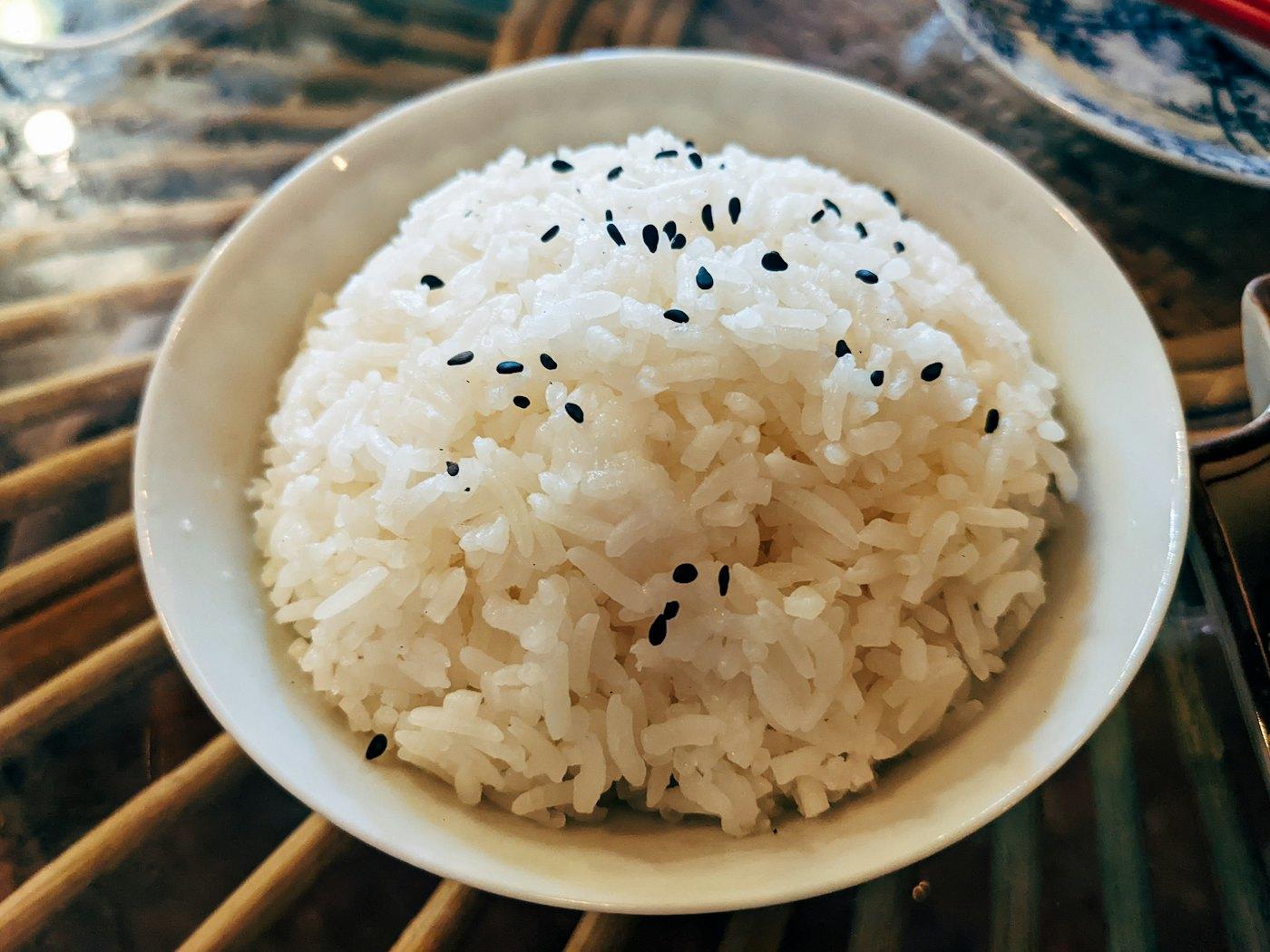
If ramen is dinner, onigiri is the food you can eat endlessly without taking your eyes off the plot. Onigiri are rice triangles (they also come round or cylindrical) made from sticky Japanese rice, often filled and wrapped in a strip of nori. In Japan they're an everyday staple: sold in every convenience store, packed into school bentos, and brought along on picnics.
In anime, onigiri is almost a sacred object. One of the most touching scenes is in Spirited Away, where Chihiro eats the onigiri Haku gives her and finally lets herself cry. That mood is easy to bring to your own table — take a look at the recipe for Onigiri from Spirited Away, which walks through both the shape and the filling.
Three things make or break onigiri:
- The rice. You need short-grain Japanese rice (or a suitable round-grain variety) — it's sticky and holds its shape. Long-grain basmati will fall apart.
- Salt and wet hands. Moisten your hands with water and a touch of salt, so the rice doesn't stick to your palms and the onigiri gets lightly salted on the outside.
- The filling. Classics include umeboshi (pickled plum), tuna with mayo, salmon, and seasoned seaweed. Hide the filling in the center so it's a little surprise.
The beauty of onigiri is that they can be made ahead and sit happily on a plate all evening. Wrap them in nori just before serving so the seaweed stays crisp rather than soggy.
Dango and Sweets: A Pause Between Episodes
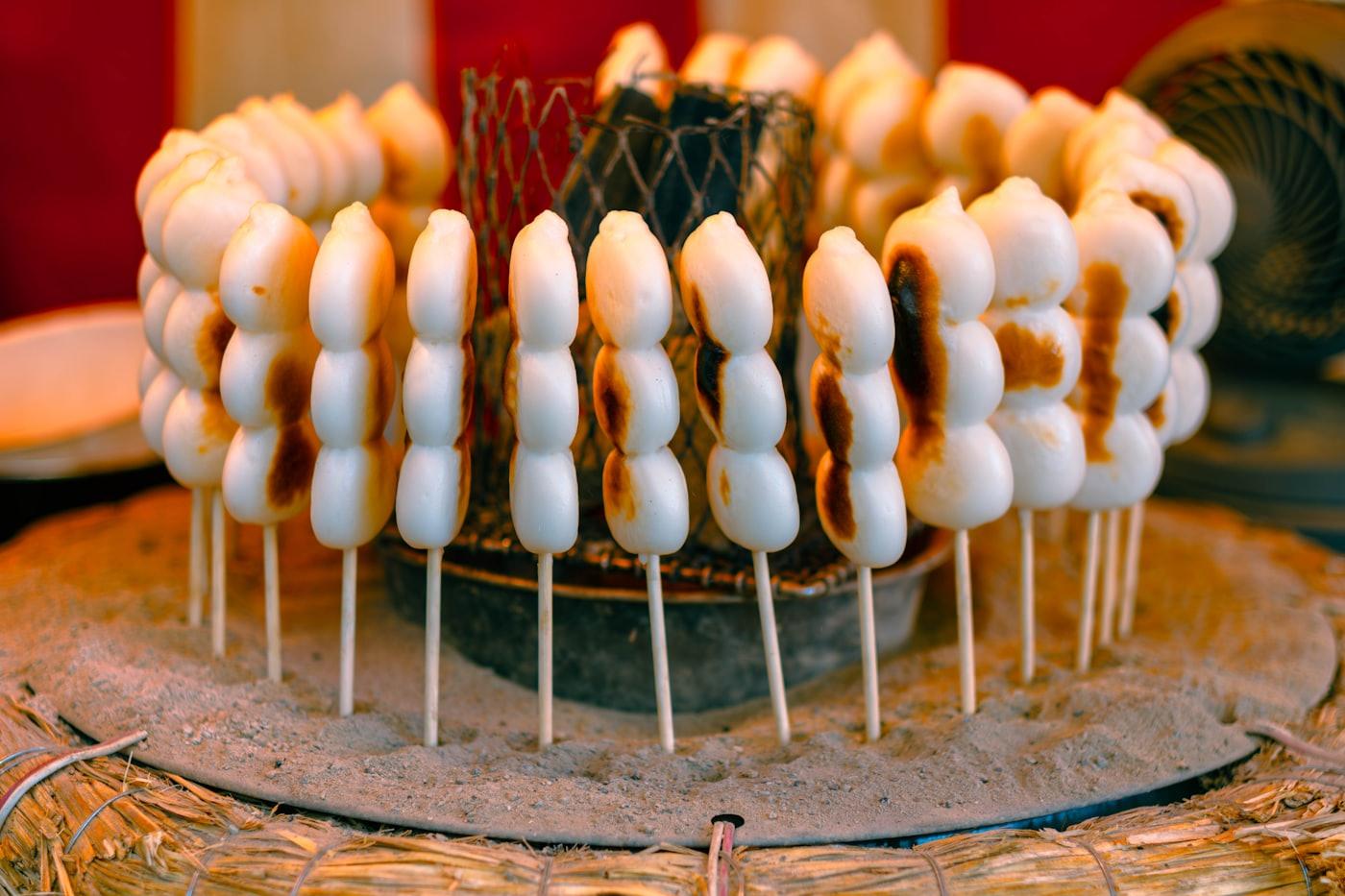
When it's time for a tea break, dango takes the stage. These are Japanese dumplings made from mochiko rice flour, rolled into little balls and threaded onto a bamboo skewer — usually three or four per stick. Dango is eaten year-round, but it's especially tied to festivals and hanami, the cherry-blossom viewing season. The best-known kind is hanami dango in three colors: pink, white, and green, symbolizing spring.
Dango pops up constantly in anime, from street festivals to a famous opening sequence. They're easier to make than they look — try Dango (Naruto-Inspired). You knead a dough of rice flour and water, roll the balls, boil them until they float, cool them in ice water, and slide them onto skewers.
The most popular way to serve them is mitarashi dango: the balls are coated in a glossy sweet-salty sauce of soy sauce, sugar, and starch, sometimes lightly charred over a flame. The result is a sticky, caramel-soy flavor that pairs beautifully with a cup of green tea. If you want variety, dango sits nicely alongside:
- Daifuku — mochi filled with sweet anko bean paste.
- Dorayaki — two little sponge pancakes sandwiching that same paste (Doraemon's favorite dessert).
- Taiyaki — a fish-shaped waffle with a filling.
Snacks and Japanese Treats
Between the main dishes, the snacks carry the table — the things that crunch and ask nothing of you. Japanese store-bought snacks have become a genre of their own, and many are genuinely findable in Asian grocery stores or online.
What's worth putting out for everyone:
- Edamame — boiled, salted young soybean pods. The most quintessentially Japanese snack and a healthy one too: you pop the beans straight from the pod into your mouth.
- Gyoza — pan-fried dumplings with a crisp golden bottom, excellent with soy sauce and rice vinegar.
- Senbei — rice crackers, savory or sweet, often wrapped in nori.
- Pocky — thin biscuit sticks dipped in chocolate or strawberry glaze, an iconic snack that cameos in dozens of titles.
- Japanese KitKat — a flavor universe of its own: matcha, sakura, sweet potato. It's almost impossible to stop sampling.
The one rule for a snack platter is balance — salty, sweet, and crunchy, so the flavors don't wear out over a long evening. Arrange them in small portions across several little bowls: that way the table looks like a proper Japanese izakaya spread instead of one giant pile of food.
Drinks: What to Pour for the Opening
Drinks set the mood as much as the food does. For an atmospheric marathon, pick something recognizably Japanese.
The non-alcoholic base is green tea: sencha for everyday, or matcha for a brighter, grassy-bitter punch. For a cold option there's barley tea (mugicha), drunk ice-cold all summer in Japan. The cult soda choice is Ramune, the lemonade in its distinctive marble-stoppered bottle — opening it is a little ritual in itself, familiar from a hundred summer-festival scenes.
For something sweet, try a milk oolong or a matcha latte, and for fans of a tangier sip there's Calpico, a cultured-milk concentrate you dilute with water. If the group is grown-up and no one's driving, sake or a Japanese beer like Asahi fit the theme too, but that's strictly optional and best in moderation.
Gather the drinks into a single station next to the snacks, set out ice and a couple of teapots, and you won't have to get up to the fridge every twenty minutes.
Putting It All Together
To keep the evening smooth, split the cooking into three waves. The day before or in the morning, simmer the ramen broth, marinate the eggs, roll and chill the dango, and boil the edamame. Just before the marathon starts, shape the onigiri, fill the snack bowls, and brew the tea. During the show, all that's left is boiling noodles in small batches and assembling ramen bowls — and that hands-on bit is exactly the cozy interactivity a ramen bar is built around.
Don't feel you have to make everything at once. Even a single good bowl of ramen and a plate of onigiri turn an ordinary evening into a small celebration. And when you're ready to go all out, you've got the blueprint: ramen at the center, onigiri within reach, dango with tea, snacks and Ramune for atmosphere. The only catch — pick a long title, because with a table like this you won't want to stop.