Demon Slayer (Kimetsu no Yaiba) is a story about fighting demons, but between battles its heroes always find time for the most human of pleasures: eating. Studio ufotable is famous not only for its spectacular fights but also for almost tangible food — steam rising over a bowl of udon, the golden crust of tempura, colorful dumplings skewered into dango. In this dark tale, food works as a little island of warmth and ordinary life.
The series is set in the Taisho era (1912–1926), a short but vivid chapter of Japanese history when the country balanced between tradition and Western novelties. That is why the screen mixes deeply traditional dishes with streetcars, kimono with European clothing. The cuisine of the time meant hot homemade meals, street stalls, and seasonal sweets — and almost all of it can be recreated in your own kitchen.
In this article we look at the tastiest symbols of the show: the dango that Nezuko adores, comforting udon, crispy tempura, and travel-friendly onigiri. We will sort out which of these are real Japanese dishes (almost all of them) and how to make them at home without rare ingredients.
Dango: Nezuko's Sweet Weakness
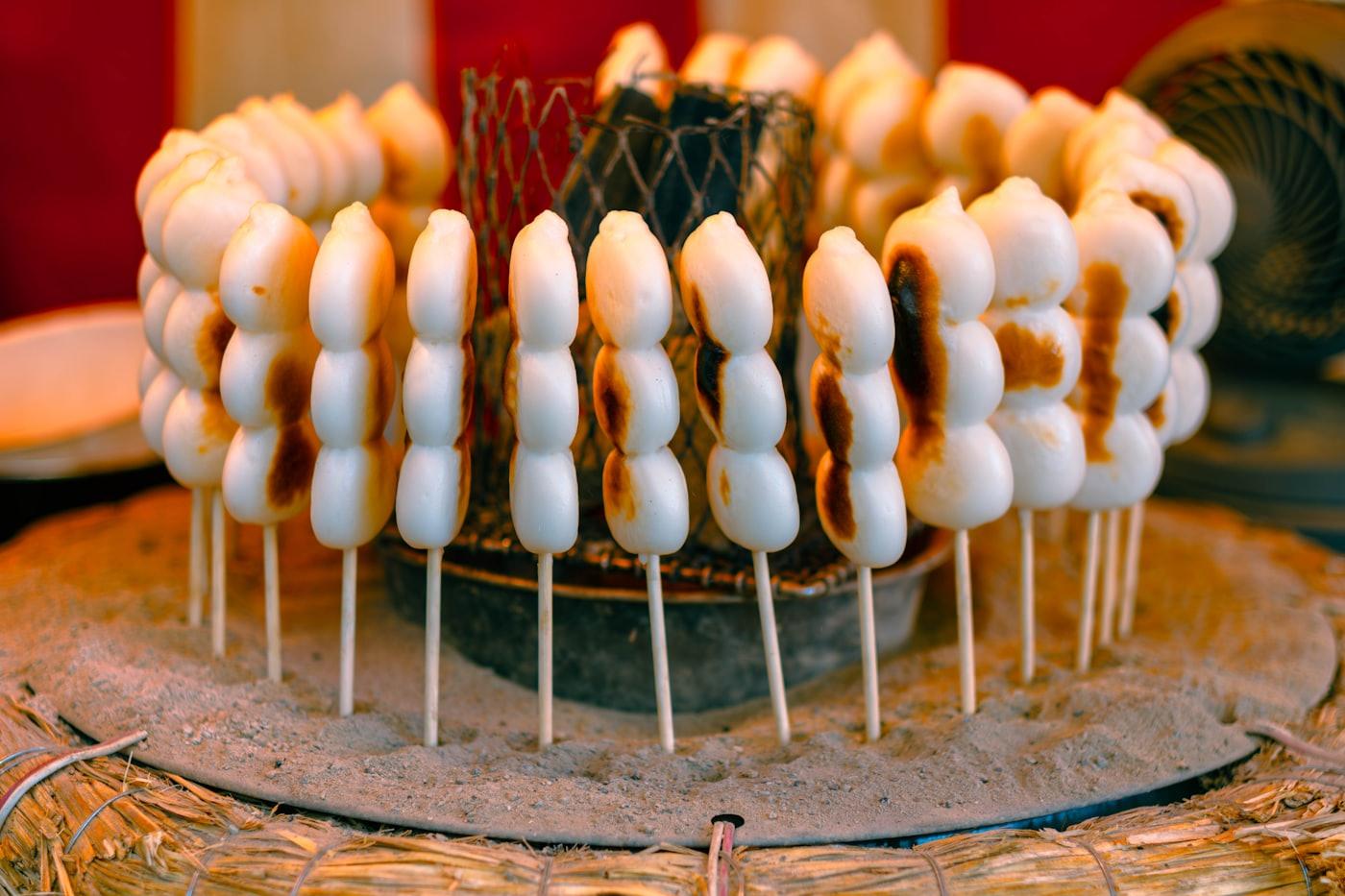
If Demon Slayer has a culinary mascot, it is dango. In one early scene, while she is still human, Nezuko dreams of dango — and the image fuses with her character forever. Fans around the world associate her with those three colorful balls on a stick.
Dango are traditional Japanese dumplings made from rice flour (usually mochiko or joshinko). They are boiled, threaded onto a bamboo skewer three or four at a time, and served with various toppings. That famous tricolor version is called hanami dango: pink, white, and green balls symbolizing spring and cherry blossoms. It is a seasonal treat, eaten in Japan during flower-viewing season, or hanami.
Here are the main types of dango worth knowing:
- Hanami dango — tricolor balls (pink/white/green), sweet and sauceless; the most Nezuko-like version.
- Mitarashi dango — glazed with a glossy sweet-savory sauce of soy, sugar, and starch; often lightly grilled.
- An-dango — topped with sweet red bean (azuki) paste.
- Kinako dango — rolled in toasted soybean flour, kinako.
Making dango at home is easier than it looks: rice flour is mixed with warm water into a dough as soft as an earlobe, rolled into balls, and boiled until they float. A quick dip in ice water gives them a pleasantly springy bite. The pink color comes from a drop of food coloring or beet juice, the green from matcha or green tea powder.
If you want to practice on a similar recipe, we already have a detailed walkthrough of dango in another anime context — Dango (Naruto-Inspired). The dough technique is identical; only the presentation and sauce change.
Udon: A Hot Bowl That Restores Strength
A hot soup with thick noodles often appears in scenes where the heroes need to catch their breath. Udon fits the Taisho-era mood perfectly: it is filling, affordable, and endlessly homey.
Udon is a wheat noodle, noticeably thicker and softer than buckwheat soba or egg-based ramen. The classic kake udon is served in a clear dashi broth made from dried kombu seaweed and bonito flakes (katsuobushi), seasoned with soy sauce and mirin. On top you might find green onion, a tempura shrimp, a slice of kamaboko, or a raw egg.
The key secret to great udon is the dashi broth, the foundation of Japanese cuisine. Its umami flavor rests on two pillars: kombu lends depth, and katsuobushi brings a smoky note. If these are hard to find, you can start with granulated dashi (hondashi) — an honest compromise for the home kitchen.
For a hearty winter version, udon becomes niku udon (with simmered beef and onion) or nabeyaki udon, a clay-pot bake with egg, mushrooms, and tempura. That kind of steaming bowl on screen reads as "home, warmth, safety" — exactly what the heroes are missing.
Tempura: The Golden Crunch of the Taisho Era
Tempura is seafood and vegetables in a light, airy batter, deep-fried to a pale golden color. In the world of Demon Slayer, tempura signals a small celebration: it is ordered at stalls, paired with udon, and appears in those rare moments when the characters get to relax.
A curious historical fact: tempura is not originally Japanese. The technique of frying in batter was brought to Japan by Portuguese missionaries in the 16th century. The word itself, by a popular account, traces back to the Latin tempora — the term for the fasting days when fish and vegetables replaced meat. Over the centuries, the Japanese perfected the method and made it their own.
The secret to proper tempura is in the batter. A few principles:
- The water should be ice-cold, ideally sparkling — the bubbles make the crust extra crispy.
- Mix the flour and water for just a few seconds, leaving lumps: a smooth, overworked batter gives a dense, heavy crust.
- Keep the oil at 170–180 °C; at the right temperature, a dot of batter dropped in surfaces quickly.
Classic fillings include large shrimp, slices of sweet potato and pumpkin, eggplant, green beans, shiso leaf, and pieces of squid. Tempura is served with tentsuyu sauce (dashi, soy sauce, mirin) and grated daikon radish, or simply with a pinch of matcha and salt — matcha-shio.
Onigiri: A Demon Slayer's Food for the Road
A demon slayer's life is an endless journey, and the best travel food in Japan is onigiri. These rice triangles are compact, filling, and need no utensils: a perfect ration for heroes who rarely stay in one place.
Onigiri are tightly pressed rice (usually with a filling inside), often wrapped in a strip of dried nori seaweed. Classic fillings include salted plum (umeboshi), grilled salmon, tuna with mayo, and cod roe (mentaiko). The salt on the rice is not only flavor but also an old way to keep it fresh longer — especially valued on the road.
Shaping onigiri at home is simple: lightly salt a handful of warm Japanese rice, place a filling in the center, and form a triangle with clean, damp hands. Wrap the nori right before eating so the sheet stays crisp. It is easy to turn this dish into a little game by shaping rice balls into the faces of favorite characters.
Japanese Sweets: The Small Joy of Wagashi
Besides dango, other wagashi flicker across the screen — traditional Japanese sweets served with tea. They share a restrained, never cloying sweetness and a focus on seasonality and beautiful shapes.
Among the most recognizable:
- Daifuku — balls of mochi (rice dough) filled with azuki paste, sometimes with a whole strawberry inside (ichigo daifuku).
- Dorayaki — two fluffy sponge pancakes with a sweet bean filling.
- Taiyaki — a fish-shaped waffle filled with bean paste or custard.
- Manju — steamed buns with various sweet fillings.
In the Taisho era, wagashi already coexisted with Western novelties — coffee, cakes, and ice cream, which was then seen as an exotic curiosity. This blend of tradition and modernity is part of the charm of the show's setting.
How to Host a Demon Slayer Night at Home
Putting together a themed dinner is not hard. Start with a big bowl of udon as the hot centerpiece, add a plate of tempura for crunch, and a couple of onigiri to snack on. For dessert, make tricolor dango in honor of Nezuko, ideally with a cup of green tea.
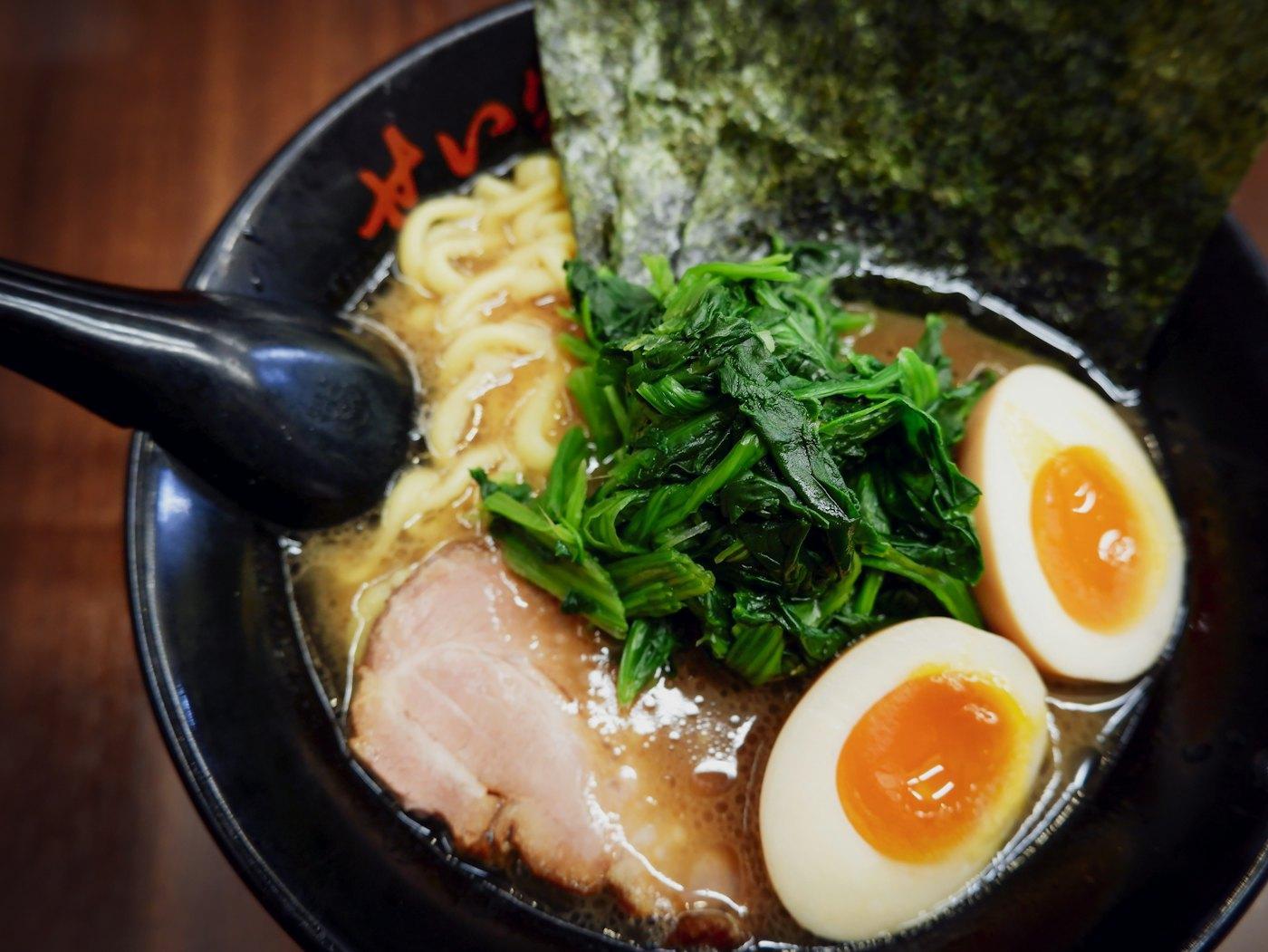
If you want to dive deeper into anime-inspired Japanese cooking, we have a more ambitious project too — building a real bowl of ramen at home. Take a look at our guide to Ichiraku Ramen from Naruto: the broth technique there is harder, but it is exactly what teaches you to truly sense umami.
The main idea is simple: almost all the food from Demon Slayer is real Japanese cuisine that needs no special talent or rare products. All it takes is a little patience, good rice, and the wish to add a piece of that very warmth the heroes keep fighting for.