Korean
A bright, spicy cuisine: fermented gochujang paste, kimchi and the street food so often shown in K-dramas.
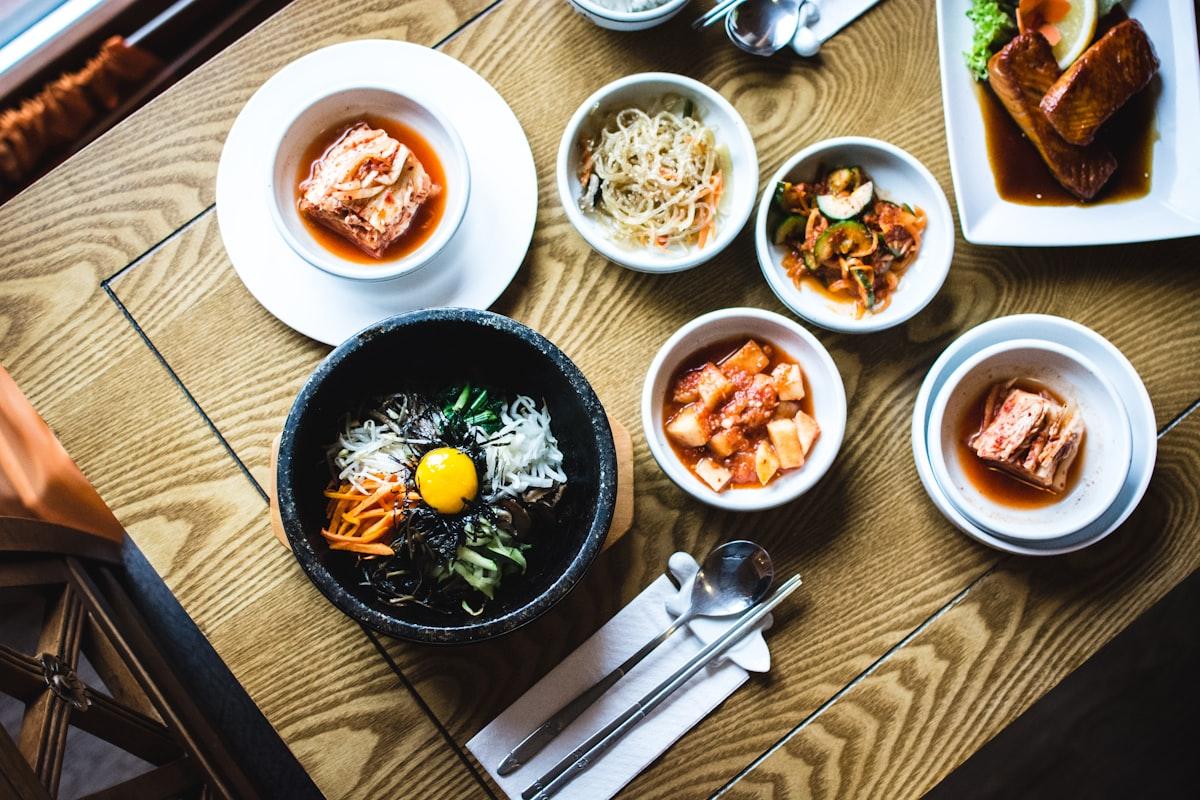
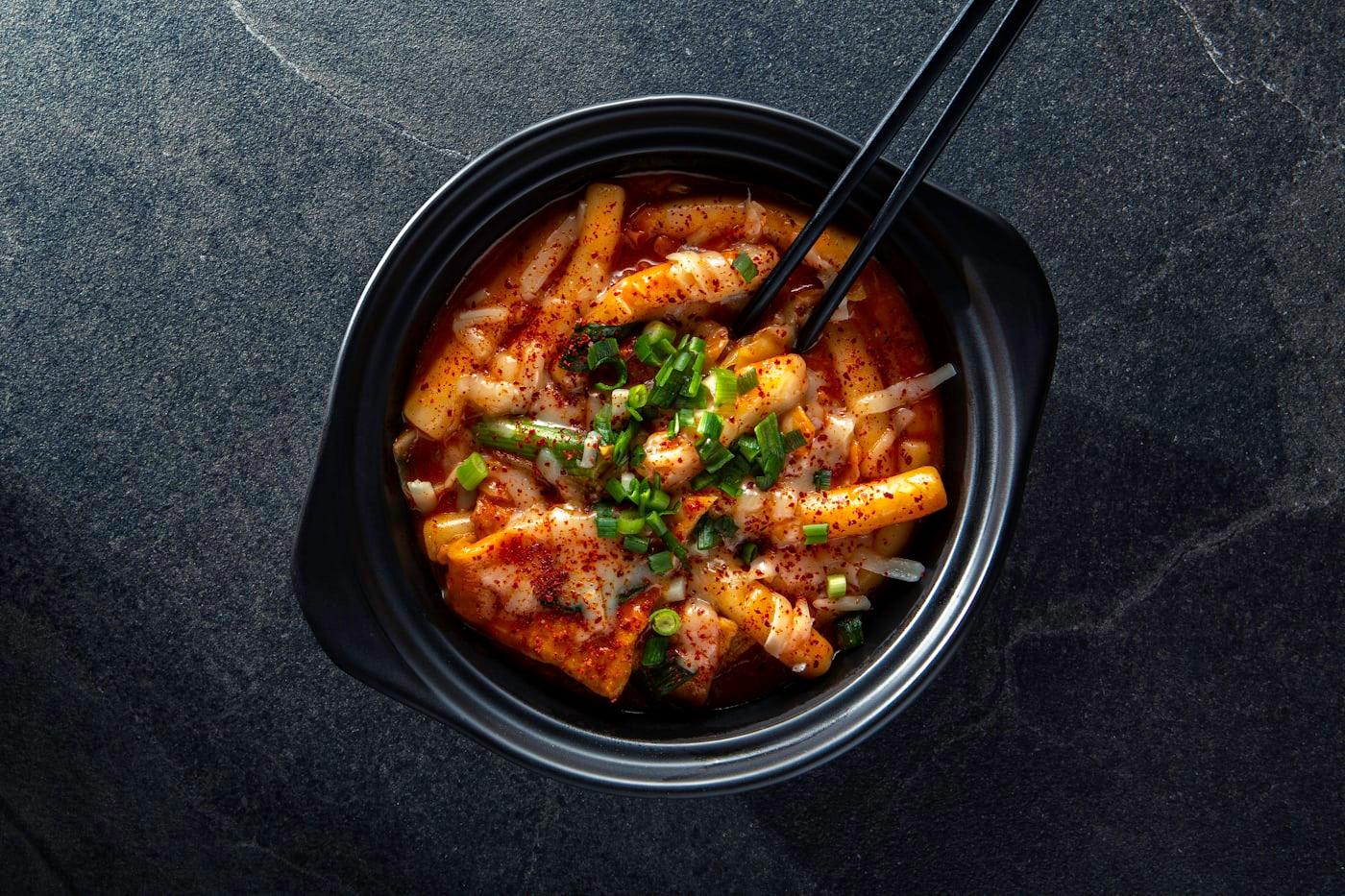
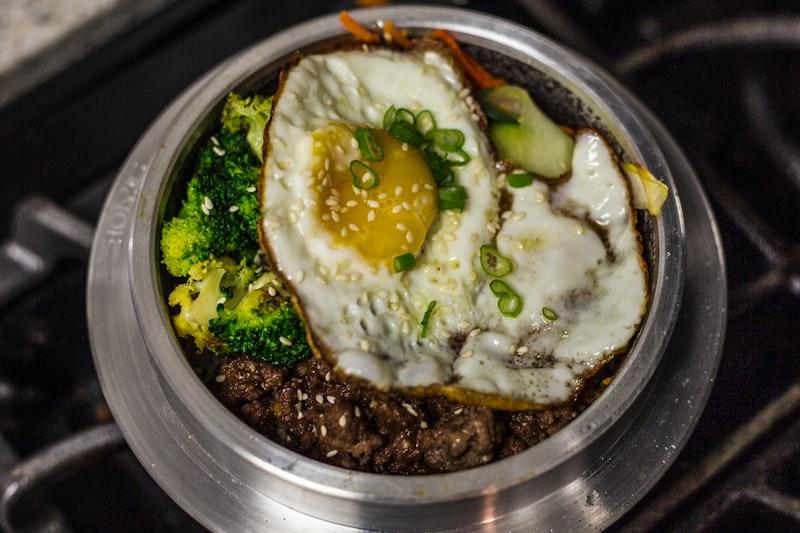
Korean cuisine is known for fermented foods (kimchi above all), spicy gochujang and doenjang pastes, and a culture of shared meals with an array of small banchan side dishes covering the table. Tteokbokki, bibimbap, Korean barbecue — the dishes are vivid in both color and flavor, often combining spice with sweetness. Rice is the backbone of nearly every meal, and a balance of textures (something crunchy next to something soft) is especially prized. Here are recognizable Korean recipes — from spicy tteokbokki rice cakes to well-balanced vegetable bibimbap.
Frequently asked questions
What is tteokbokki?
It's a dish of chewy rice cakes simmered in a spicy-sweet gochujang-based sauce. It's a popular Korean street food, usually served hot with fish cakes or a soft egg.
Do you have to add kimchi to bibimbap?
Kimchi is a common but not mandatory addition to bibimbap — it adds tang and heat. The dish works well without it too, as long as the other vegetables and sauce are balanced.
How hard is it to find Korean sauces at home?
Gochujang and soy sauce are now sold in many supermarkets and Asian grocery stores. If gochujang isn't available, a mix of chili paste and a touch of honey can partly substitute.