Japanese cuisine is a conversation about precision, not complexity. You rarely find long lists of spices or heavy sauces that mask the flavor. The opposite is true: the cook's job is to reveal what is already in the ingredient and stay out of its way. Fresh fish, rice, seaweed, soy sauce, dashi — from a handful of honest ingredients comes a cuisine now known and loved around the world.
At the heart of it all lies umami — the fifth taste, identified in 1908 by Japanese chemist Kikunae Ikeda while he studied a broth made from kombu seaweed. Umami is depth and savoriness, that sense of "meatiness" delivered by glutamic acid and nucleotides. It is umami that ties together miso, soy sauce, dashi and aged fish, making Japanese food so recognizable and irresistible.
The second pillar is seasonality and aesthetics. The Japanese eat "by the season": tender shoots and sakura in spring, cold noodles in summer, matsutake mushrooms and chestnuts in autumn, hot nabe hot pots in winter. Presentation matters as much as taste — color, shape, the choice of dish, the arrangement on the plate. In this article we will walk through the pillars of Japanese cuisine and also peek into pop culture, since food from anime has long become its own reason to fall in love with Japanese cooking.
Sushi and Sashimi: Rice, Fish and a Fine Line
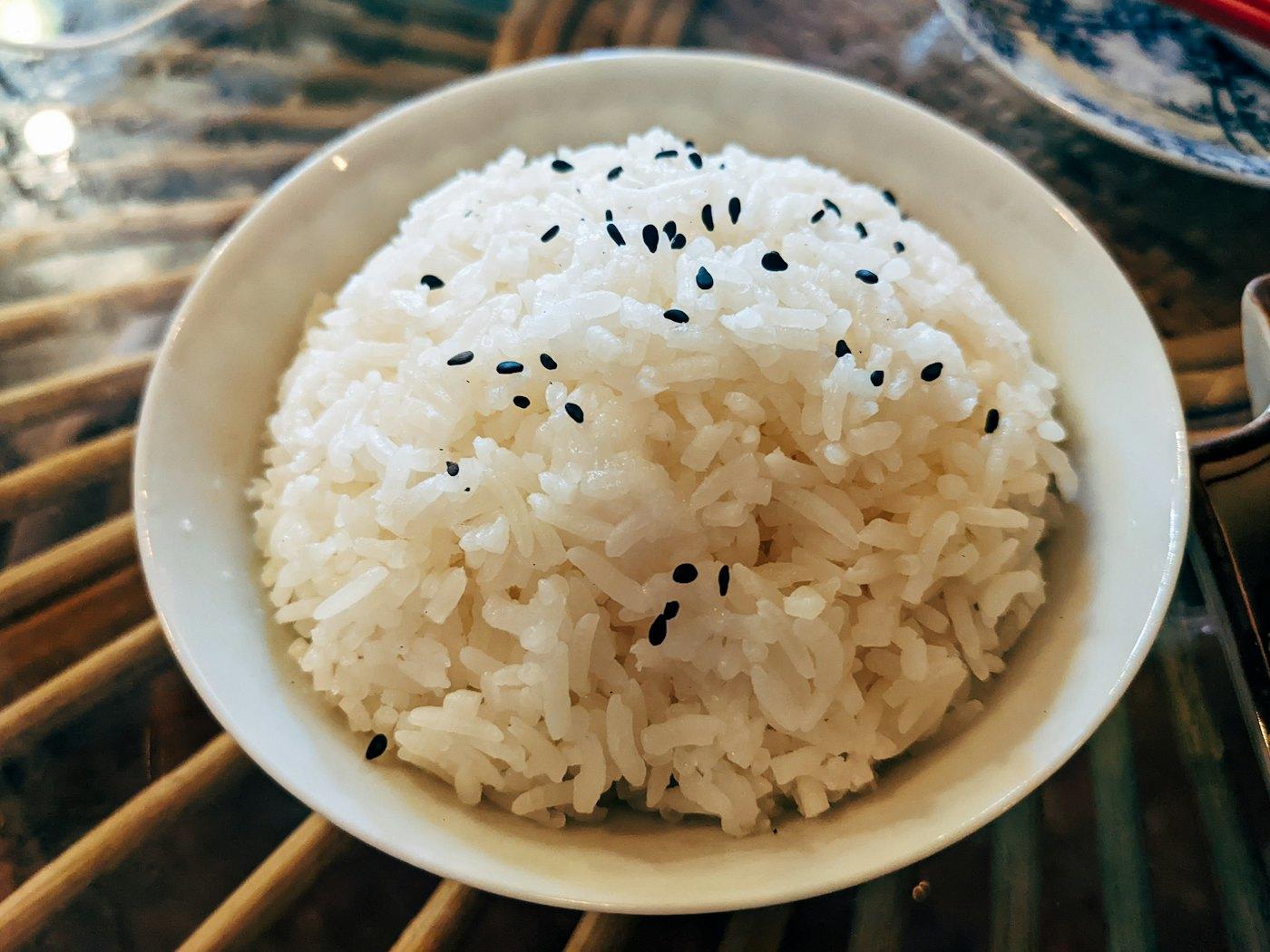
The biggest misconception about sushi is that sushi is about fish. Historically, the word "sushi" refers to the rice — rice seasoned with vinegar, sugar and salt. That rice, not the topping, is the heart of the dish. Sashimi, by contrast, is simply thinly sliced raw fish or seafood served without rice, and technically it is not sushi at all.
The dish has its roots in preservation: fish was packed into fermented rice so it would keep longer (a method called narezushi). The modern sushi we know — nigiri-zushi — was invented in Edo (old Tokyo) in the first half of the 19th century as fast street food. A small mound of vinegared rice, a dab of wasabi, a slice of fish on top, and there it is.
The main types of sushi:
- Nigiri — an oblong mound of rice topped with a slice of fish or seafood.
- Maki — a roll wrapped in nori and cut into pieces (futomaki are thick, hosomaki are thin).
- Gunkan — a rice "battleship" wrapped in a strip of nori and filled with roe or a soft topping.
- Temaki — a hand-rolled cone of nori filled with rice and ingredients.
- Chirashi — rice in a bowl scattered with slices of fish and vegetables.
One important note: the famous California roll with avocado and cream cheese is a Western adaptation born in the United States. You will rarely find such rolls in traditional Japan, and that is perfectly fine — cuisines live and evolve. If you want to taste Japanese rice in its simplest, most honest form, start with home-style rice dishes — for example, Onigiri from Spirited Away: those very rice triangles that Chihiro eats so movingly in the film.
Tempura: A Crunch Brought from Europe
Tempura is seafood and vegetables in a light, airy batter, deep-fried until crisp. The paradox is that the dish came to Japan thanks to Portuguese missionaries in the 16th century. The word itself is thought to derive from the Latin tempora — the term for the fasting days when Catholics ate fish instead of meat. The Japanese adopted the technique and perfected it.
The secret of real tempura is the batter. It is made from flour, ice-cold water and egg, stirred quickly and carelessly so that lumps remain: the goal is not a smooth dough but the lightest, lace-like coating. Cold water and minimal mixing prevent the gluten from developing, which is why the crust comes out thin and crisp rather than dense. The oil must be hot (around 170–180 °C) and the ingredients dry.
Classic tempura components are shrimp, squid and white fish, and among vegetables — sweet potato, eggplant, kabocha pumpkin, shiitake mushrooms, green pepper and shiso leaves. Tempura is served with tentsuyu sauce (dashi, soy sauce, mirin) and grated daikon, which freshens the palate and aids digestion. Tempura also finds its way into other dishes: into a bowl of noodles (tempura udon) or over rice (tendon).
Broth Dishes: Ramen and Udon
If sushi is about cold precision, noodles are about warmth and comfort. And here Japanese cuisine boasts two great stars.
Ramen
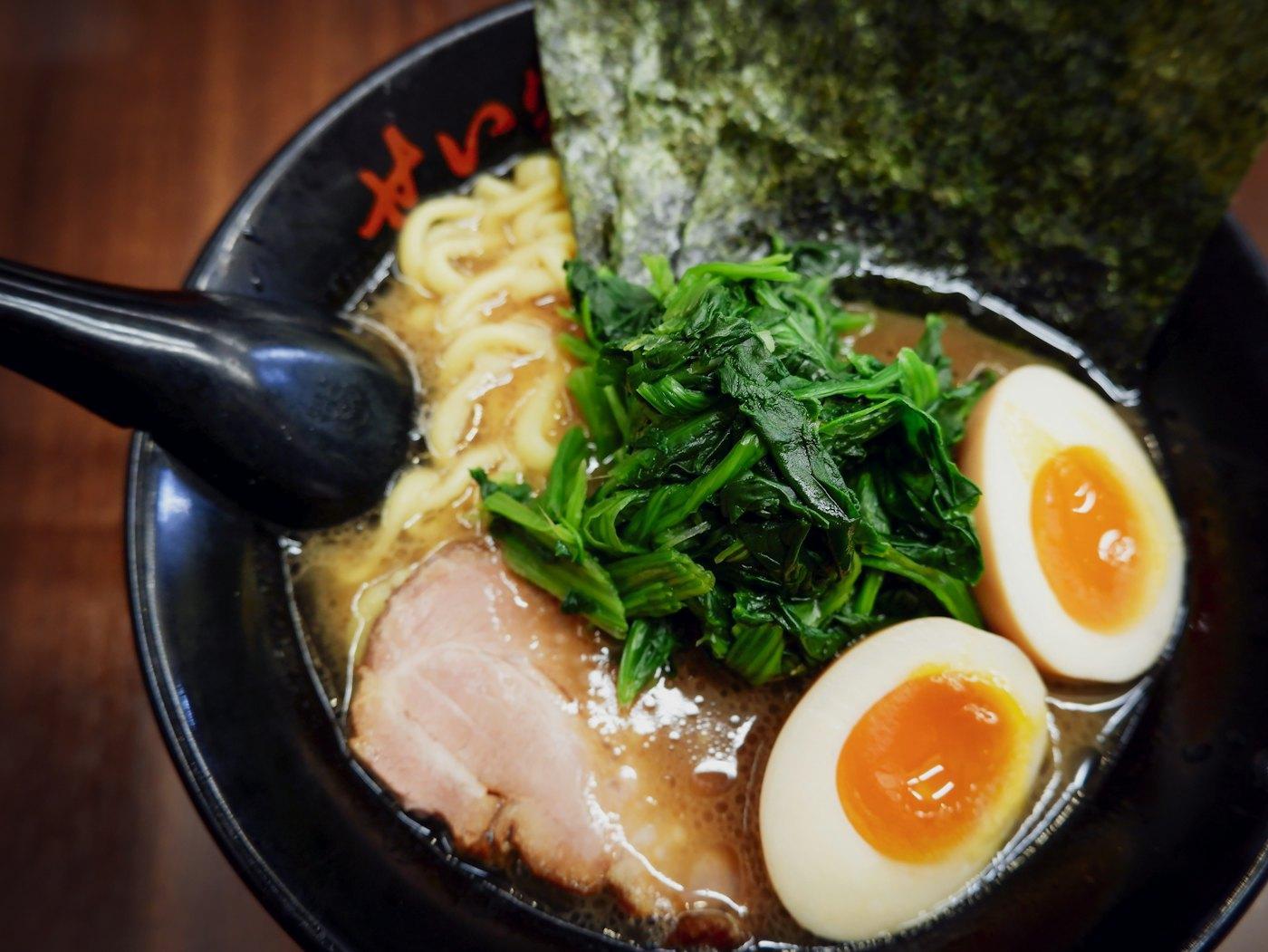
Ramen is a wheat noodle of Chinese origin served in a rich broth, which became a national Japanese dish in the 20th century. Its strength lies in the broth, simmered for hours. There are several main styles: shoyu (soy-sauce based), shio (salty and light), miso (made with miso paste, originating in Hokkaido) and tonkotsu (a thick, milky-white broth from pork bones, the signature style of Kyushu). On top go thin slices of chashu pork, a marinated ajitama egg, menma bamboo shoots, green onion and a sheet of nori.
Ramen is also a cultural phenomenon. Thanks to anime and manga, a steaming bowl of ramen has become a symbol of home, warmth and friendship. The most famous example is Ichiraku, the noodle shop beloved by the main character of Naruto. You can recreate that atmosphere at home: take a look at our Ichiraku Ramen from Naruto, where we honestly explain what is canon and what is real-world kitchen adaptation.
Udon
Udon is a thick, soft, chewy wheat noodle, one of the oldest in Japan. It is served hot in broth, cold with a dipping sauce (zaru udon), or stir-fried (yaki udon). Udon is calmer and more neutral than ramen: its broth is usually clear, based on dashi, soy sauce and mirin. It is cozy, unpretentious home food — what you eat when you simply want plain warmth.
Miso: The Fermented Soul of the Cuisine
Miso is a paste of fermented soybeans combined with rice or barley and a koji culture (the mold Aspergillus oryzae). Fermentation can last from a few weeks to several years, and this determines its color and character: light miso (shiro) is mild and slightly sweet, while dark miso (aka) is salty, intense and deep in umami.
Its best-known use is miso soup: dashi with a spoonful of miso paste dissolved in it, plus cubes of tofu, wakame seaweed and green onion. It is a staple of the Japanese breakfast and an accompaniment to almost any meal. A key cooking note: miso must not be boiled — high heat kills the beneficial bacteria and ruins the flavor, so the paste is added at the very end, once the soup has been taken off high heat.
Miso is not limited to soup: it is used to marinate fish (the famous saikyo-style cod), to glaze eggplant (nasu dengaku), and to enrich dressings and sauces. It is one of those ingredients that, with a single spoonful, turns a bland dish into a savory one.
Gyoza and Small Bites: Little Joys
Gyoza is the Japanese version of Chinese pan-fried dumplings (jiaozi), brought to the country after World War II. Japanese gyoza differ from their Chinese ancestor with thinner wrappers, plenty of garlic and a signature cooking method: they are first fried in a pan until the bottom turns golden, then water is added and a lid is placed on top so the rest steams through. The result is a contrast between a crispy bottom and a tender top.
The classic filling is minced pork, cabbage, green onion, garlic and ginger. Gyoza is served with a dipping sauce of soy sauce, rice vinegar and a drop of spicy rayu chili oil. It is a typical side to ramen or to a cold beer.
Japanese small bites also include:
- Edamame — young soybeans boiled in the pod and sprinkled with salt.
- Yakitori — skewers of chicken grilled over charcoal with tare sauce.
- Takoyaki — batter balls with a piece of octopus inside, a street classic from Osaka.
- Tempura — already discussed above, it is also a frequent guest at the appetizer table.
Conclusion
Japanese cuisine teaches an important principle: less is more. Here flavor is not buried under layers of spices but carefully highlighted. Umami ties everything together, seasonality dictates what lands on the plate today, and aesthetics remind us that food is also a spectacle. From the cool precision of sashimi to a hot bowl of tonkotsu ramen, from crisp tempura to warming miso soup — each dish tells its own small story.
And if you want to begin exploring Japanese cuisine at home, you do not have to master delicate fish slicing right away. Start with something simple and heartfelt: shape some Onigiri from Spirited Away or simmer a warming bowl of Ichiraku Ramen from Naruto — and Japanese gastronomy will feel closer than you think.