For most people, Japanese cuisine means restaurant sushi and a bowl of ramen, and recreating that at home feels nearly impossible. In reality, everyday Japanese food is built on a surprisingly simple foundation: a handful of core ingredients that combine into dozens of dishes. Once you understand rice, dashi, miso, soy sauce, and mirin, you hold the key to the entire home Japanese kitchen.
The guiding philosophy of the Japanese table is umami, the so-called fifth taste, paired with a deep respect for seasonality. Japanese cooks rarely drown a plate in spices. The goal is to reveal the natural flavor of an ingredient, not to mask it. That is why most home recipes call for neither rare components nor complicated technique. What you need is good basic products, a little patience, and a grasp of a few key methods.
In this guide we will cover where a beginner should actually start: what to stock in your pantry, which five ingredients form the backbone of the cuisine, and which simple dishes to cook first so you build confidence right away.
The Five Pillars of Japanese Cooking
Before diving into recipes, get to know the ingredients that appear almost everywhere. If they live on your shelf, you are already halfway to a Japanese-style dinner.
Rice
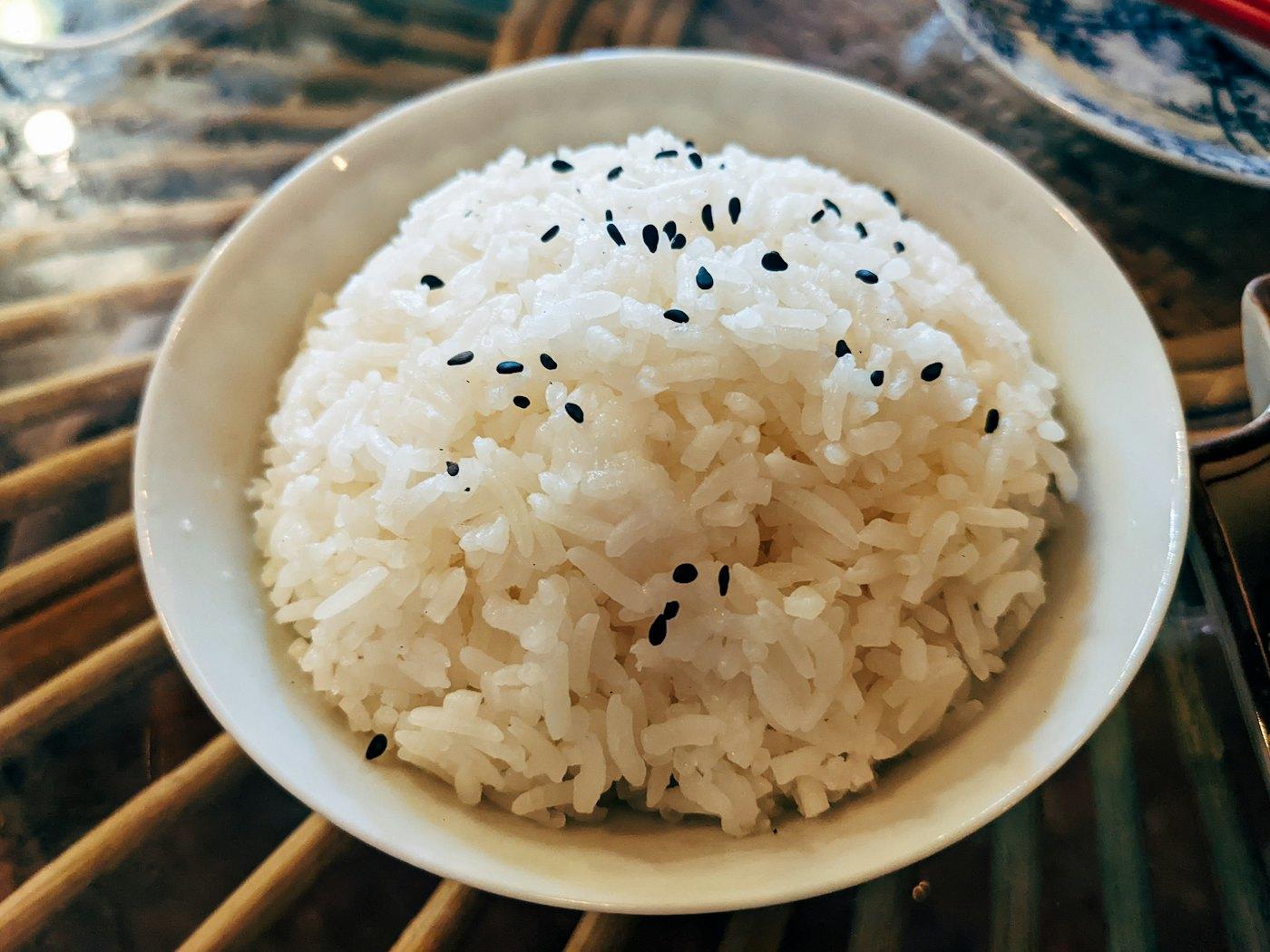
Japanese rice is a short-grain (or medium-grain) variety that turns slightly sticky once cooked and holds its shape. That stickiness is exactly what lets you mold onigiri and shape the base for sushi. Ordinary long-grain rice will not work here because it falls apart. Before cooking, always rinse the rice several times until the water runs clear to wash away excess starch. In Japan rice is not a side dish but the central element of a meal, so its quality is taken seriously.
Dashi
Dashi is the foundational stock that holds up almost all of Japanese cooking. The classic version is made from kombu (dried kelp) and katsuobushi (shavings of dried, fermented bonito). Dashi gives dishes depth and that signature umami without any meat. There is a handy shortcut for beginners: granulated or liquid dashi concentrate (known as hondashi) dissolves in water in a minute and works perfectly well for early experiments. Dashi is what turns an ordinary soup into a Japanese one.
Miso
Miso is a fermented paste made from soybeans, sometimes blended with rice or barley. It comes light (shiro miso, mild and slightly sweet) and dark (aka miso, rich and salty). Miso is a concentrate of umami and probiotics, used in soups, marinades, and sauces. One important rule: never boil miso, or you lose its flavor and beneficial bacteria. Always stir it into broth that has already been removed from the heat.
Soy Sauce
Soy sauce (shoyu) is a fermented product made from soybeans and wheat, with a history stretching back roughly fifteen hundred years. It provides the saltiness and color of countless dishes. For Japanese cooking, reach for genuine Japanese shoyu (the koikuchi type, for example) rather than the thicker, sweeter Chinese variety, since the flavor differs noticeably. A good soy sauce should not be merely salty; it carries complexity and aroma.
Mirin
Mirin is a sweet rice wine for cooking with a low alcohol content. It lends dishes a gentle sweetness, a light glaze, and rounds out the flavor of sauces. The classic trio of soy sauce, mirin, and dashi forms the base of teriyaki sauce, noodle broths, and many simmered dishes. If you have no mirin on hand, you can partly substitute a mix of sugar and a touch of rice vinegar, but real mirin gives a more refined result.
The Beginner's Pantry: A Shopping List
To avoid a trip to the store for every recipe, assemble a base kit all at once. Here is a sensible starter list for a home Japanese kitchen:
- Short-grain (Japanese) rice
- Soy sauce (Japanese shoyu)
- Miso paste (start with light shiro miso)
- Mirin
- Dashi: kombu and katsuobushi, or granulated hondashi
- Rice vinegar (for sushi rice and dressings)
- Nori (sheets of dried seaweed for onigiri and rolls)
- Sesame oil and sesame seeds
- Noodles: ramen, udon, or soba
- Fresh ginger and green onions
Most of these keep for months, so the kit pays for itself many times over. With a pantry like this you can make miso soup, onigiri, a simple ramen, and dozens of rice variations practically any time.
First Dishes: Where to Begin Cooking
Theory fades fast without practice, so let us get to work. Here are four dishes traditionally learned first. They forgive mistakes and deliver quick rewards.
Onigiri
Onigiri are rice triangles or balls with a filling, Japan's beloved snack and the rough equivalent of a sandwich. People carry them to work, to school, and on the road. They are dead simple to make: shape warm rice into a clump, tuck a filling inside (salted plum umeboshi, tuna with mayo, salmon), and wrap a strip of nori around the outside. It is the perfect first recipe because it is almost impossible to get wrong. For an inspiring example, try Onigiri from Spirited Away, the very dish that brings the heroine of the famous anime to tears.
Miso Soup
Miso soup is a daily staple of the Japanese breakfast and lunch. It comes together in ten minutes: add tofu and wakame (seaweed) to hot dashi, take it off the heat, and dissolve the miso paste. The crucial point is not to boil the soup after adding the miso. This soup shows how three basic ingredients can produce a complete dish with deep flavor.
Ramen
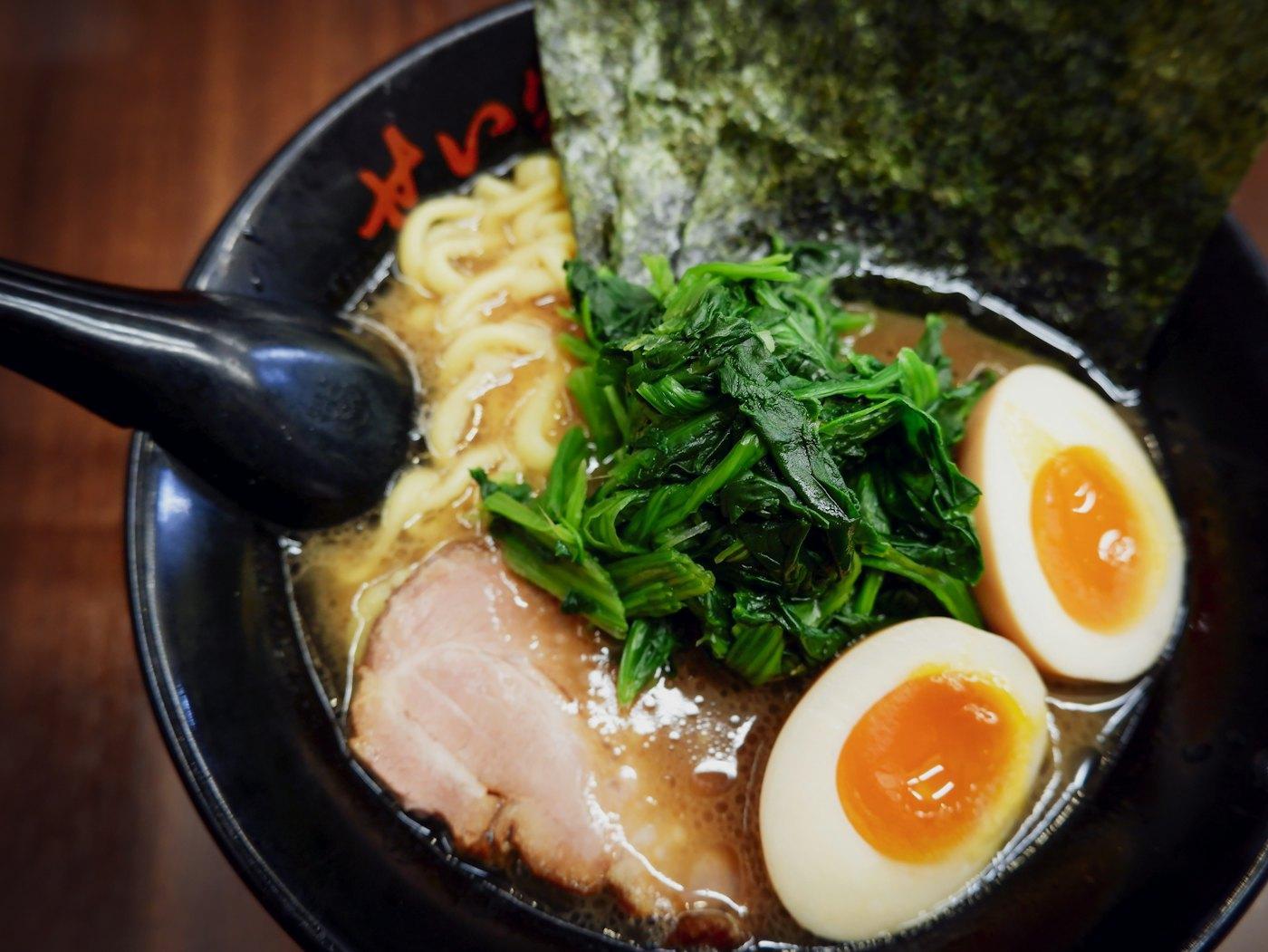
Ramen is wheat noodles in a rich broth topped with egg, chashu pork, green onion, and nori. While restaurant ramen, with broth simmered for a full day, is an art unto itself, a home version comes together far faster on the back of good dashi or chicken stock. Interestingly, the word ramen arrived in Japan from China, but it was the Japanese who turned the dish into a cultural phenomenon. To get started, Ichiraku Ramen from Naruto is an excellent step-by-step recipe inspired by the protagonist's favorite noodle stand.
Gyoza
Gyoza are Japanese pan-fried crescent dumplings with a filling of ground pork, cabbage, and garlic. They are first seared in a pan until the bottoms turn crisp, then a splash of water goes in and a lid traps the steam to finish cooking. This technique, called yaki-gyoza, gives the signature contrast of a crunchy base and a tender top. Like ramen, gyoza came from China but took on their own recognizable form in Japan. They are served with a dip of soy sauce, rice vinegar, and a drop of chili oil.
A Few Tricks to Save Your Nerves
Japanese cooking rewards method, and a couple of habits will lift your results immediately. First, always rinse your rice, as it solves half of all texture problems. Second, never boil miso. Third, keep the soy sauce, mirin, and dashi trio close at hand, because it is a universal base for sauces and lets you improvise without a recipe.
One more tip: do not chase sushi straight away. Fresh fish for sashimi demands special quality and skill, and starting there is risky for a beginner. It is far wiser to begin with hot dishes and onigiri, then move on to rolls once your rice comes out perfectly every time.
Conclusion
Home Japanese cooking calls for neither rare equipment nor culinary training. It is enough to build a pantry of five to ten staples, understand the role of rice, dashi, miso, soy sauce, and mirin, and cook a few simple dishes. Onigiri, miso soup, ramen, and gyoza make an excellent starting point: they taste great, forgive mistakes, and quickly build confidence.
Start with a single dish this weekend, and before long Japanese cuisine will stop feeling mysterious and become part of your everyday menu. And when you want a little extra fun, dip into the recipes inspired by anime and games, because cooking your favorite characters' food is twice as satisfying.