There are more than a thousand varieties of cheese in the world, and at first it seems impossible to make sense of them all. In reality almost every cheese falls into a handful of large families, and once you grasp the logic of these groups, the labels at the shop stop being intimidating. Cheese is defined above all by its moisture and ageing: the longer it matures and the less water it holds, the firmer and more intense its flavour becomes.
This guide will help you navigate the main types of cheese, understand what to pair them with, and build a cheese board that looks and reads like one from a restaurant.
Fresh cheeses: youth and softness
Fresh cheeses are not aged; they are eaten within days of being made. They are high in moisture, with a milky, slightly creamy or tangy taste and a tender texture.
- Mozzarella — the classic pasta filata from Campania. The best is made from buffalo milk (mozzarella di bufala), kept in brine and stretchy when heated.
- Ricotta — technically not a cheese but a whey product; soft, slightly sweet, used in fillings and desserts.
- Curd and cream cheeses — feta, chevre (goat), cream cheese, mascarpone. They set the tone in salads, toasts and tiramisu.
Fresh cheeses spoil quickly, so buy them in small portions and keep them cold.
Soft cheeses with a white rind
These carry the noble mould Penicillium camemberti, which forms a velvety white rind. Inside they grow almost runny as they ripen.
- Camembert and brie — classics of Normandy and Ile-de-France. Young, they are firm; ripe, they are creamy and pungent.
- The flavour is mushroomy and buttery, with a gentle sharpness toward the end of ageing.
Take these cheeses out of the fridge half an hour before serving: at room temperature they open up fully.
Semi-hard and hard aged cheeses
The longer the ageing, the denser and richer the cheese. Here lie the true culinary heavyweights.
- Semi-hard — gouda, edam, emmental, maasdam. Versatile everyday cheeses: they melt, slice, and go into sandwiches and hot dishes.
- Hard aged — parmesan (Parmigiano Reggiano), grana padano, pecorino romano, aged gouda. A year or more of ageing creates tyrosine crystals (that pleasant crunch) and a concentrated, nutty taste.
Hard cheeses are the backbone of many dishes: pecorino holds a carbonara together, parmesan crowns pasta and risotto.
Blue cheeses
Blue cheeses are veined with Penicillium roqueforti, which produces the blue streaks and a sharp, salty-piquant taste.
- Roquefort — a French sheep's milk cheese from the Combalou caves.
- Gorgonzola — Italian, available mild (dolce) or piquant (piccante).
- Stilton — English, dense and spicy.
Blue cheeses love sweet partners: honey, pears, figs, port. They also shine in sauces for steak and pasta.
Pasta filata: the stretchy family
The stretched-curd cheeses deserve their own note: their paste is kneaded in hot water until elastic.
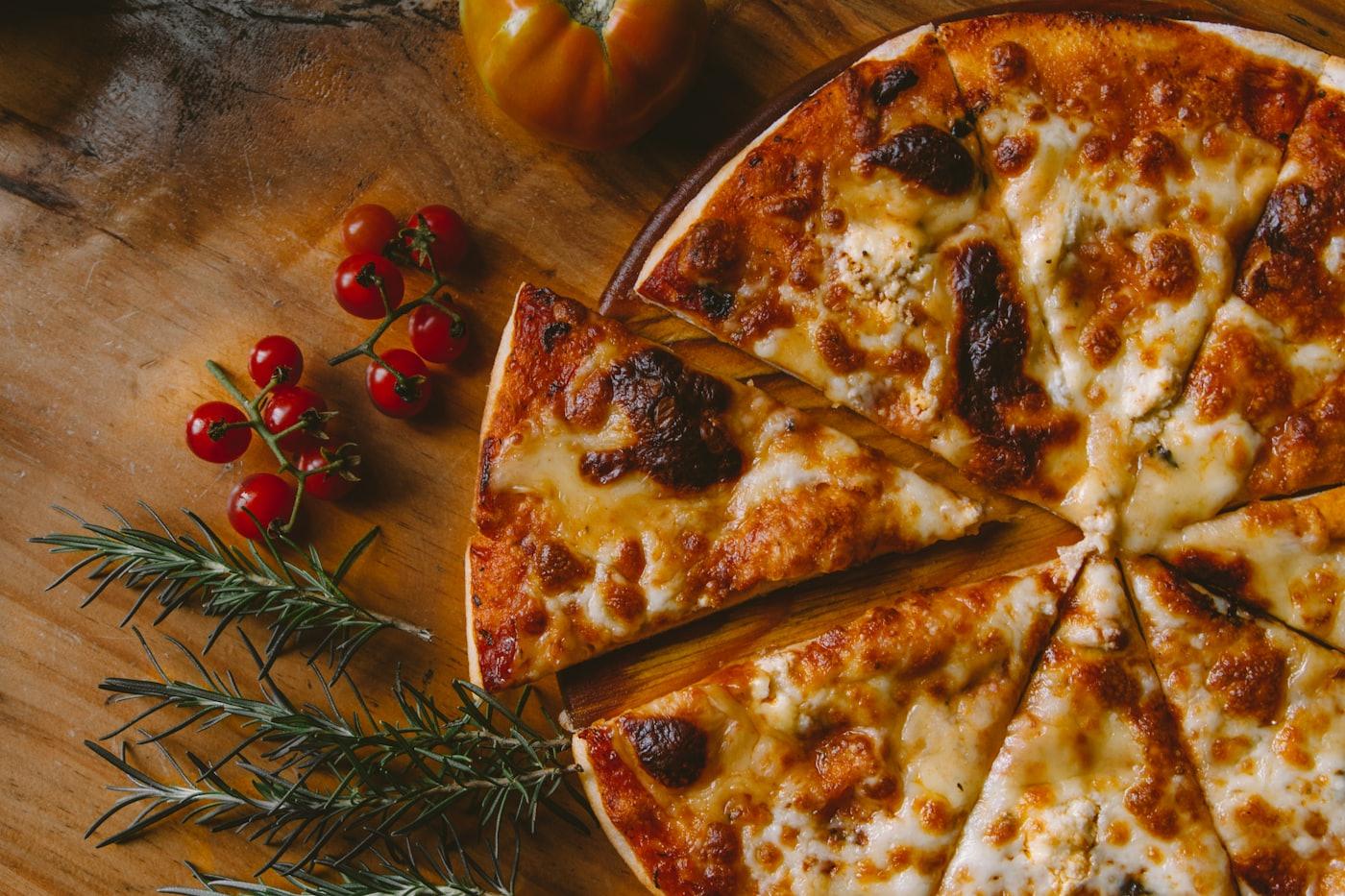
- Mozzarella — for pizza and caprese. Without good mozzarella you cannot make a proper Margherita pizza.
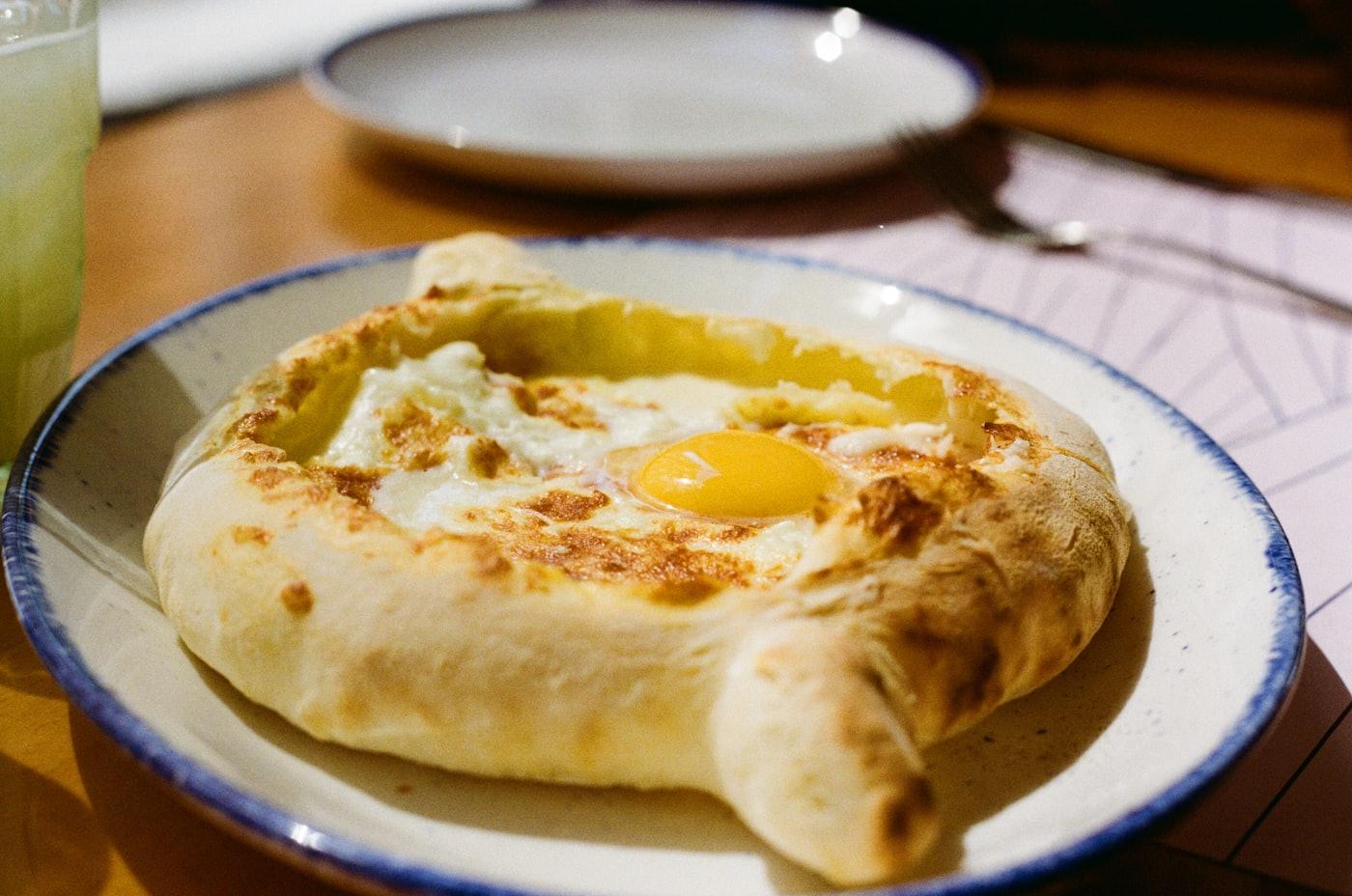
- Suluguni — a Georgian brined cheese, dense and lightly salty, indispensable in Adjarian khachapuri.
- Provolone and caciocavallo — southern Italian relatives, sold young or aged.
How to build a cheese board
A good board is a contrast of textures and flavours. Follow a simple formula:
- Choose 3-5 cheeses from different families — for example soft brie, aged parmesan, blue gorgonzola and fresh chevre.
- Add a sweet accompaniment: honey, fig jam, grapes, pears.
- Include something crunchy: nuts, crackers, thin bread or baguette.
- Serve cheese at room temperature — take it out 30-40 minutes ahead.
- Cut each cheese with its own knife, moving from soft and young to sharp and aged.
Dry and sparkling wines suit most cheeses, while blues love sweet dessert wines. If you want the board to become a full meal, add some warm baked bread — and the evening is made.