Chocolate seems like a simple pleasure, but behind a bar lies a whole science — from the variety of cacao bean and its terroir to the tempering temperature. Once you understand how dark chocolate differs from milk and what the number "70%" really means, you will choose more deliberately and enjoy every piece far more.
Let's go through the main types of chocolate, learn to read the label, and run a mini tasting the way chocolatiers do.
What chocolate is actually made of
It all starts with cacao beans — the seeds of the Theobroma cacao tree. After fermentation, drying and roasting they yield cacao mass and cacao butter. It is the ratio of these components to sugar and milk that defines the type of chocolate.
- Cacao mass provides flavour and bitterness.
- Cacao butter provides texture and melts in the mouth at body temperature.
- Sugar balances the bitterness.
- Milk (in milk and white) adds creaminess.
The four main types
The classic chocolate palette has four colours and characters.
- Dark chocolate — cacao mass, cacao butter and sugar, no milk. Contains from 45% to 99% cacao. The higher the percentage, the less sugar and the sharper the bitterness.
- Milk chocolate — with added milk powder, usually 25-40% cacao. Mild, sweet, creamy.
- White chocolate — only cacao butter, sugar and milk, no cacao mass. That is why it is not brown and not bitter, but smells of vanilla and cream.
- Ruby chocolate — a relatively new type introduced in 2017. Its pink colour and berry tang come from special ruby cacao beans, with no added colour or flavouring.
What the cacao percentage means
The number on the label is the share of cacao components (mass + butter) in the bar. 70% means 70% of the mass is cacao products, and the remaining 30% is mostly sugar.
- 45-55% — mild dark, noticeable sweetness.
- 60-70% — balanced, the most versatile.
- 75-85% — pronounced bitterness, minimal sugar.
- 90%+ — for enthusiasts, almost no sweetness.
A high percentage does not mean "better": the quality of the beans and the maker's skill matter more.
Terroir and single-origin
Like wine, cacao has terroir — its flavour depends on the country and region where it grows.
- Single-origin — chocolate from beans of one country or even one plantation. It reveals the character of a place: Ecuadorian cacao can be floral, Madagascan bright and tangy, Venezuelan nutty.
- Blends mix beans for a stable, recognisable taste.
- The bean varieties are criollo (delicate, rare), forastero (the main, high-yield one) and trinitario (a hybrid).
How to read the label
Good chocolate gives itself away by its ingredients. Watch the details:
- Cacao products should come first in the list, not sugar.
- Quality chocolate uses only cacao butter, with no palm or other vegetable fats as a substitute.
- The emulsifier lecithin is normal and used in small amounts.
- Marks such as single-origin, bean-to-bar and the cacao percentage signal the maker's attention to quality.
If the package says "confectionery bar" or "coating," the cacao butter has probably been replaced with cheap fats — this is not real chocolate.
How to store and taste chocolate
Chocolate is sensitive to conditions. A few rules will preserve its flavour:
- Store at 15-18 C, away from light and strong smells — chocolate absorbs aromas.
- Don't keep it in the fridge: moisture causes a white bloom on the surface.
- Let the bar warm to room temperature before tasting.
Taste in steps: first look (an even shine, no bloom), then snap it (good chocolate cracks sharply), smell it, and only then place a piece on your tongue and let it melt without chewing. That is how all the nuances unfold.
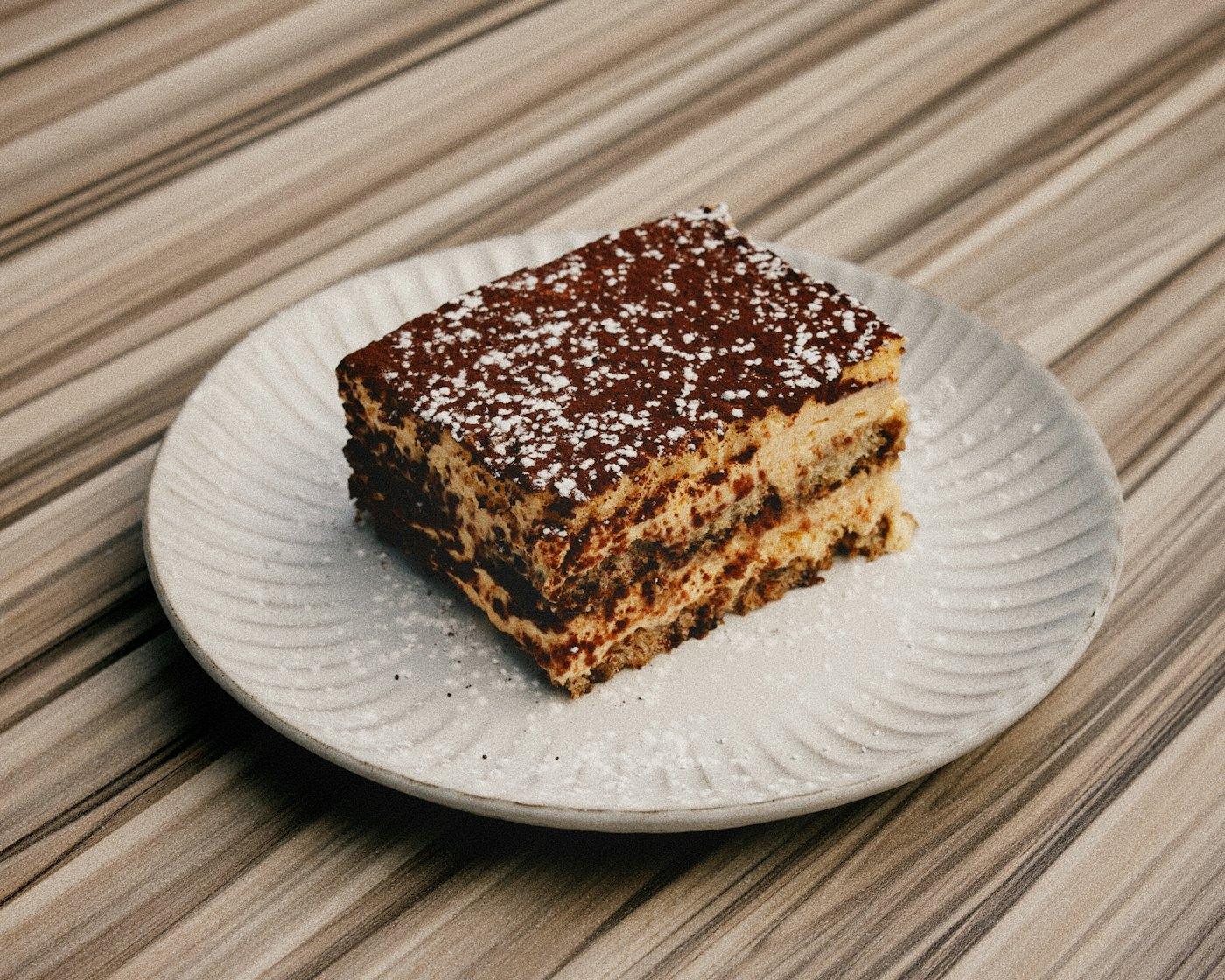
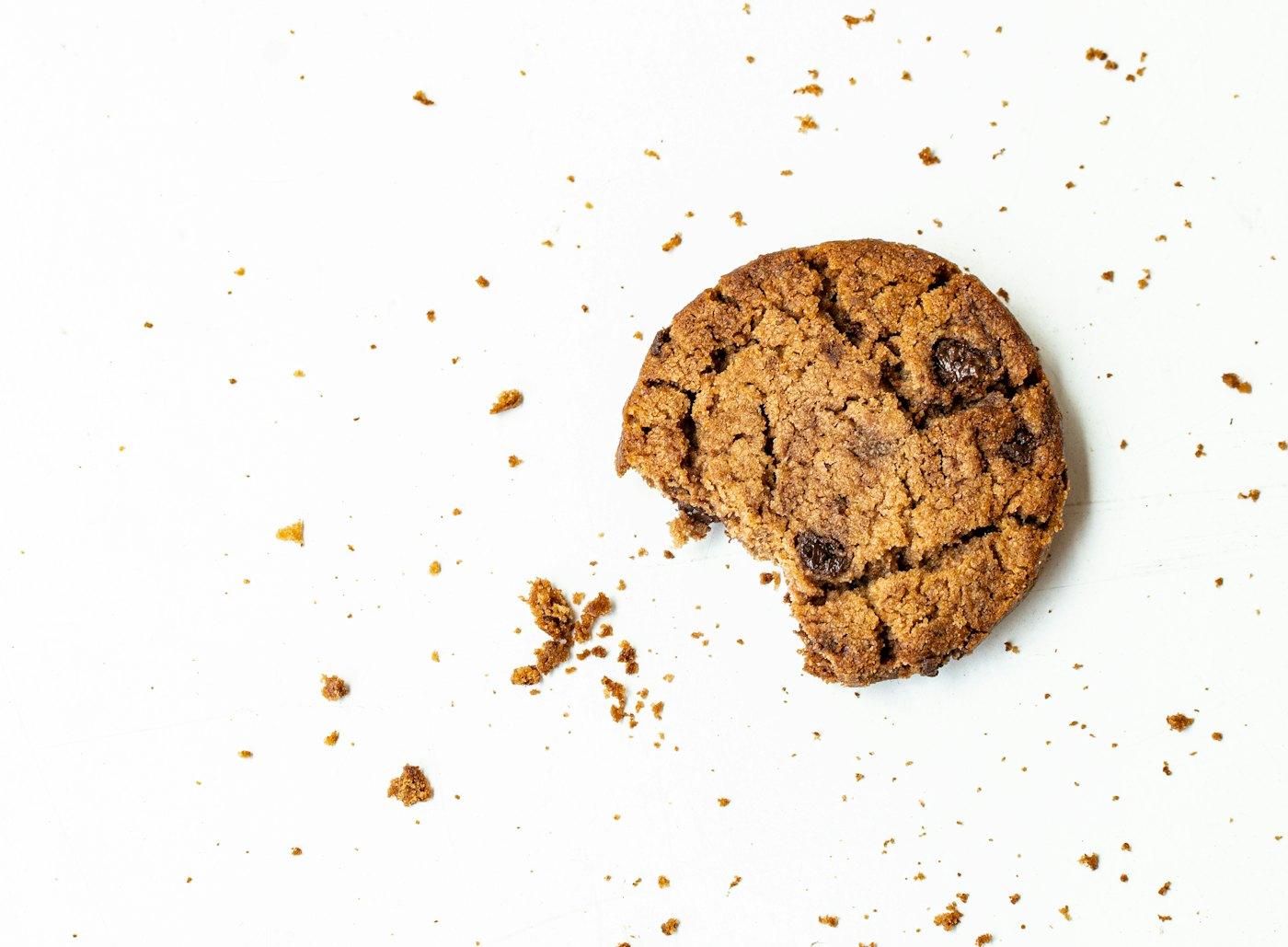
Chocolate is wonderful both on its own and in desserts. Dark chocolate perfectly offsets the coffee bitterness of tiramisu, and chunks in a cookie turn simple baking into a small celebration. Choose a quality bar — and every piece will be a joy.