You've probably noticed that some dishes make you want to scrape the bowl clean, even though there's nothing flashy about them — no chili heat, no mountain of spices. A bowl of rich broth, a sliver of aged Parmesan, a spoonful of tomato paste, and suddenly your mouth fills with a deep, mouth-coating, almost meaty taste. That's umami — the fifth basic taste, which went without a name for a long time even though cooks had been using it for centuries.
Most of us grew up with four tastes: sweet, salty, sour, bitter. But umami belongs right beside them. It's responsible for the sense of "deliciousness" and satisfaction, making food feel round and complete. Understanding umami isn't a trendy chef's gimmick — it's a practical tool. Once you learn to unlock it, you can cook food that tastes better while using less salt and fat.
In this guide we'll trace where umami came from, why glutamate is behind it, which foods are richest in it, and how to deliberately deepen the flavor of your dishes — from a homemade soup to a proper bowl of Japanese ramen.
Where the Fifth Taste Came From
The story of umami usually starts in 1908. Japanese chemist Kikunae Ikeda wondered why dashi broth made from kombu seaweed gave food such a satisfying flavor. He isolated glutamic acid from kombu and proposed that its salts produced a distinct taste that couldn't be reduced to sweet, salty, sour, or bitter. He named this taste umami, from a Japanese word that roughly translates as "pleasant, savory taste."
For a long time the idea of a dedicated umami receptor remained a hypothesis. Only in the early 2000s did scientists describe taste receptors that respond to glutamate, and umami was finally confirmed as the fifth basic taste alongside the others. Today this is well established in the physiology of taste.
Interestingly, we meet umami from the very start of life: human breast milk is rich in free glutamate. That may be part of why a savory, broth-like taste feels so comforting and familiar.
What Glutamate Is and Why It Tastes of Umami
The main carrier of umami is glutamic acid — or more precisely its free form, glutamate. It's an ordinary amino acid, one of the building blocks of proteins. While glutamate is "locked" inside a protein molecule, it delivers almost no umami. But when proteins break down — as cheese ages, foods ferment, broths simmer for hours, or ingredients are cured — free glutamate is released, and we taste that signature savoriness.
There are also key boosters. Two nucleotides — inosinate (abundant in meat and fish) and guanylate (rich in mushrooms, especially dried ones) — have little taste on their own, but paired with glutamate they multiply umami dramatically. This is called umami synergy: together they work many times more powerfully than separately.
That's exactly why these classic pairings work so well:
- kombu dashi (glutamate) with bonito flakes, katsuobushi (inosinate);
- Parmesan (glutamate) over tomato sauce (glutamate) with mushrooms (guanylate);
- meat broth (inosinate) with sun-dried tomatoes or soy sauce (glutamate).
Monosodium glutamate (MSG, E621) is the same glutamic acid in the form of a sodium salt, isolated in pure form. It isn't scary "lab chemistry" — the molecule is identical to the one found in cheese or tomatoes. Major food-safety authorities consider MSG a safe food additive in normal amounts. But you can absolutely unlock umami without it, simply by choosing the right ingredients.
Foods That Are Pantries of Umami
If you memorize the main sources of umami, you can "build up" the flavor of almost any dish. Here are the key groups.
Sea and Broths
- Kombu and dashi. Dried kombu seaweed holds record levels of free glutamate. Dashi broth made from kombu and katsuobushi is the foundation of Japanese cuisine and the benchmark for umami.
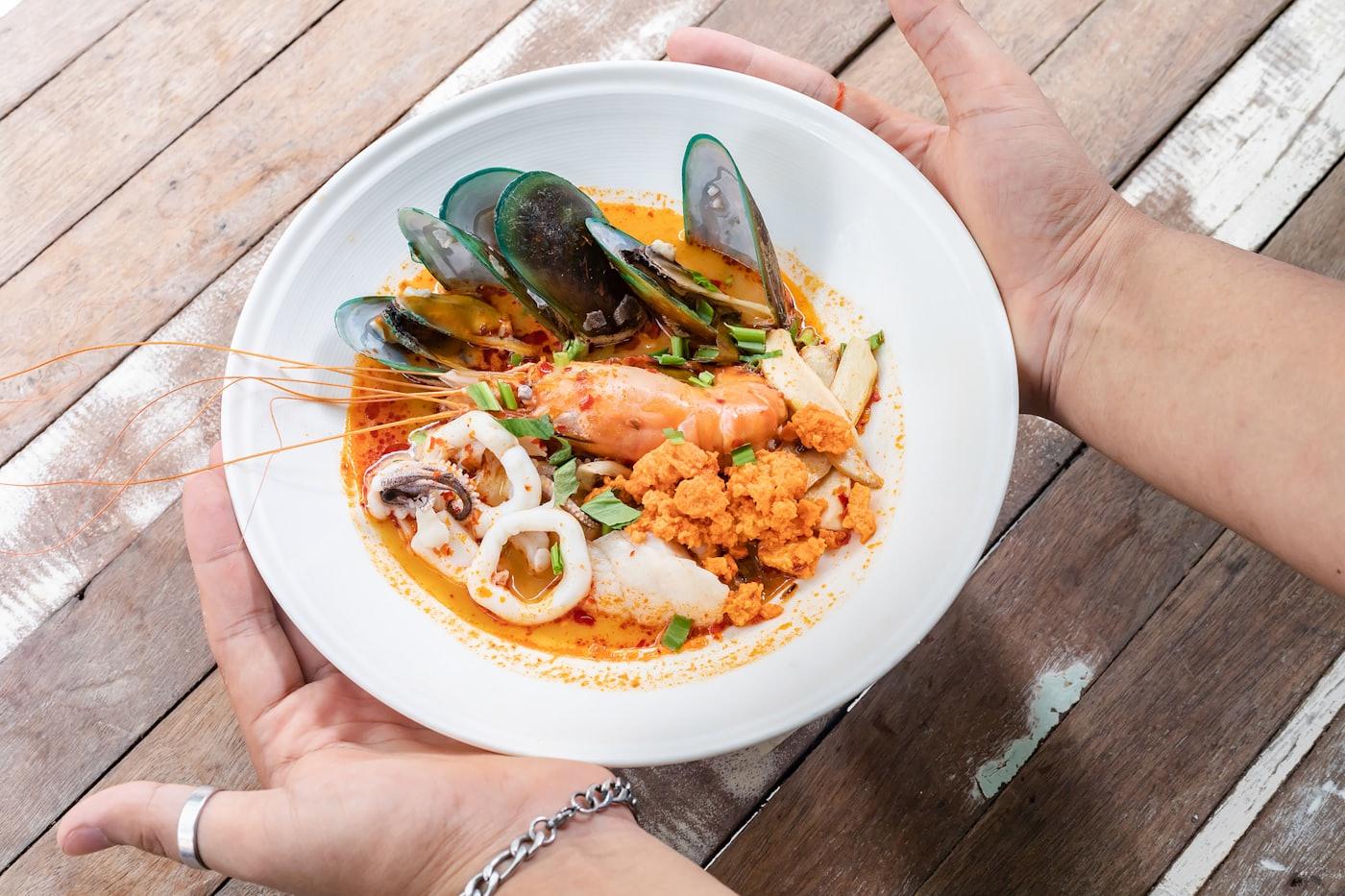
- Anchovies, fish sauce, shrimp. Fermented fish sauce (nam pla, nuoc mam) and anchovies deliver a powerful salty umami. Much of the flavor of the Thai soup Tom Yum with Shrimp rests on this, where shrimp, fish sauce, and chili paste meet in a single broth.
Fermentation and Aging
- Soy sauce and miso. These long-fermented soy products are glutamate concentrates. A spoonful of miso or soy sauce instantly deepens a soup, marinade, or dressing.
- Aged cheeses. Parmesan (Parmigiano-Reggiano), Grana Padano, aged cheddar — the longer a cheese matures, the more free glutamate it holds.
Vegetables, Mushrooms, and Tomatoes
- Tomatoes. Especially ripe ones, sun-dried tomatoes, and tomato paste: umami concentration rises as they reduce and dry.
- Mushrooms. Dried mushrooms (shiitake, porcini) are a treasure of guanylate, that very booster. This is why mushroom broth tastes so deep.
- Onion, garlic, carrot. Slow simmering and caramelization coax out sweetness and a gentle umami too.
By combining ingredients from different groups, you trigger that synergy. Mushrooms plus Parmesan, tomatoes plus anchovies, meat broth plus soy sauce — each pairing tastes noticeably better than the sum of its parts.
How to Unlock Umami When You Cook
Umami is easy to amplify on purpose. A few reliable techniques:
- Build on broth. Swap water for broth — meat, vegetable, or dashi — in soups, risotto, and braises. That alone adds depth.
- Add a "secret spoonful." A teaspoon of soy sauce, miso, tomato paste, or fish sauce in a stew, a sauce, or even ground meat makes the flavor noticeably richer while staying invisible.
- Use time and heat. Long simmering, searing to a golden crust, caramelizing onions, browning meat (the Maillard reaction) all release and concentrate umami.
- Combine sources. Remember the synergy: add a little Parmesan to tomato sauce, a drop of soy sauce to mushrooms, dried mushrooms to a meat broth.
- Rebalance the salt. Umami heightens the perception of saltiness, so deeply savory dishes often need less salt. That's a useful bonus for anyone watching their diet.
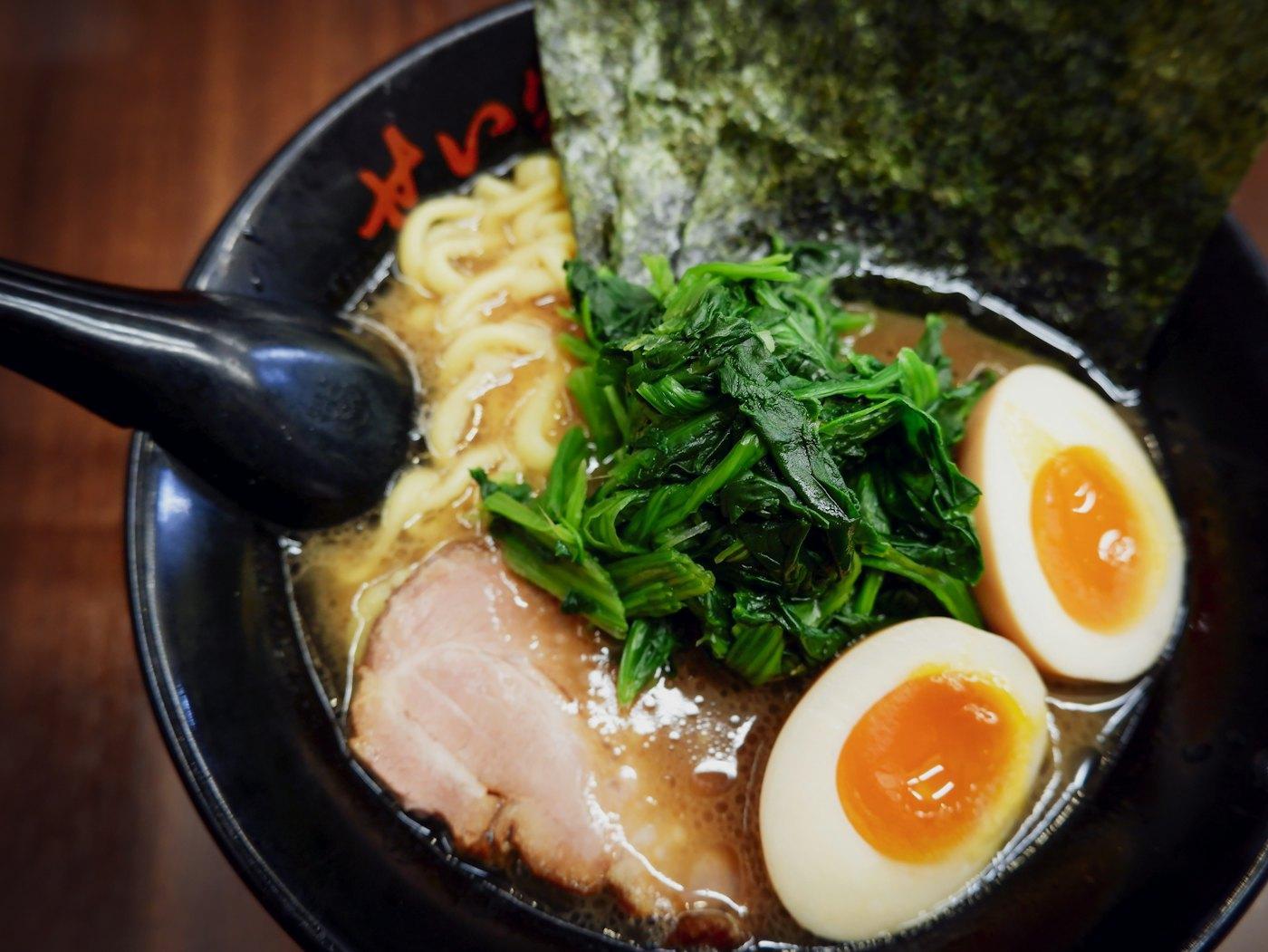
A great teaching example is Japanese cuisine, where umami is built in layers. Take Ichiraku Ramen from Naruto: the dish is inspired by the fictional Ichiraku shop in the anime "Naruto," but in real kitchens it's assembled following all the rules of umami. In the canon, ramen is the hero's favorite food; in the bowl, umami comes from a pork-and-bone broth, a soy or miso tare base, with nori seaweed and pickled toppings on top — each layer adding its own source of glutamate and inosinate.
Umami in Fictional Food: Fact vs. Fantasy
Food from games, anime, and films is often described sparingly: the author shows the character eating something hot and appetizing, but never gives an exact recipe. Here it's important to honestly separate canon from culinary adaptation.
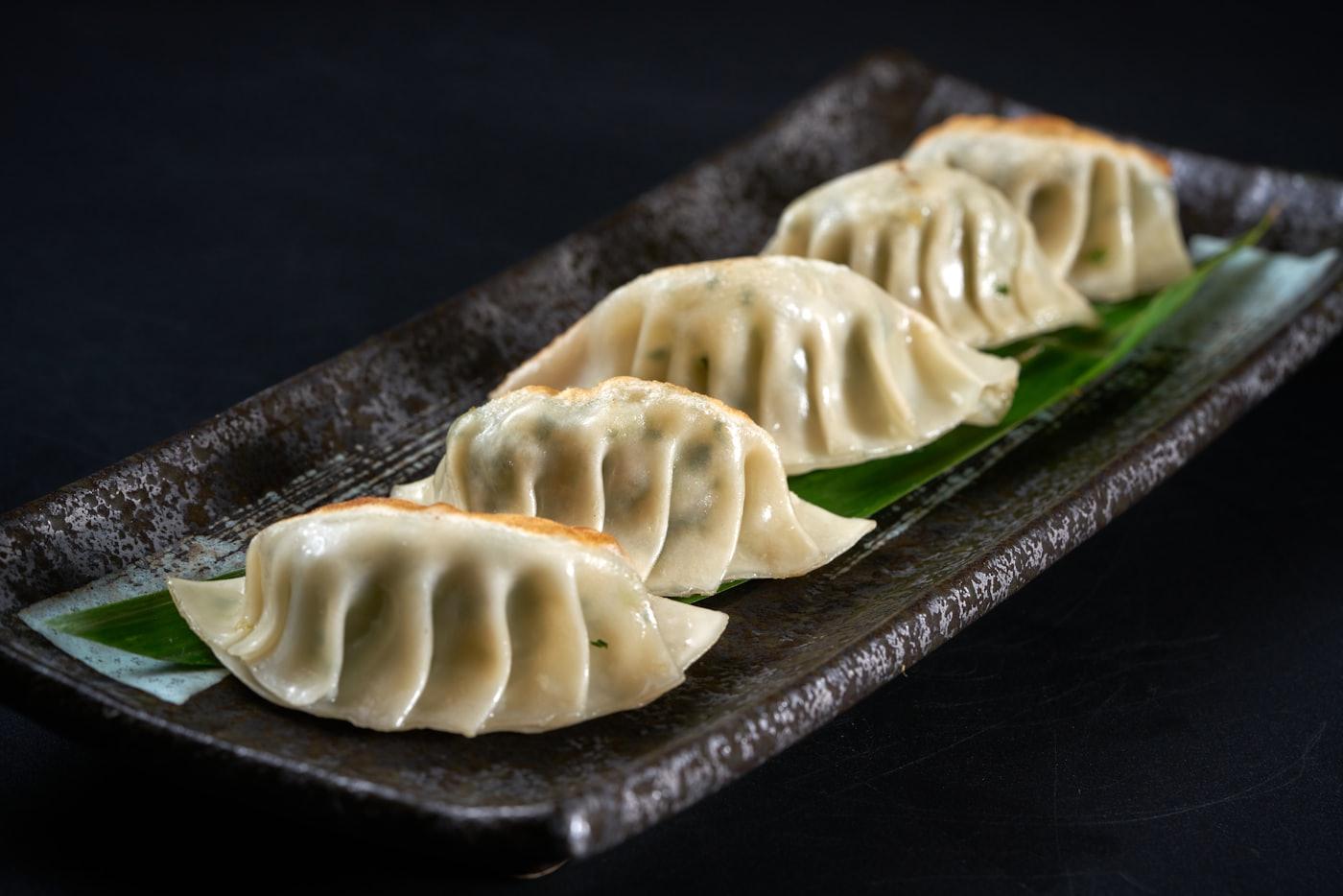
That same Ichiraku ramen in "Naruto" is shown as an ordinary shoyu- or miso-style ramen from a Japanese street stall — there's no specific "secret recipe" in the canon, so real versions lean on classic ramen technique. By contrast, Gyoza (Japanese Dumplings) are not fantasy at all but a completely real Japanese dish (descended from Chinese jiaozi). Their umami rests on ground pork, cabbage, garlic, and ginger with a splash of soy sauce, and they're served with a vinegar-and-soy dip that adds an acidic contrast to the rich filling.
The rule is simple: we reconstruct the taste of a dish from a fictional world using real-life analogues and the laws of umami, but we never present invented details as fact. That way the result is both delicious and honest.
Conclusion
Umami isn't magic or marketing — it's a perfectly understandable fifth taste driven by free glutamate and its boosters. Once you figure out where to find it — kombu and dashi, soy sauce and miso, aged cheeses, tomatoes, and dried mushrooms — cooking stops being a lottery. You begin building flavor on purpose: layer by layer, pairing sources and letting heat and time do their work.
The best way to feel umami is to cook a dish where it plays first violin. Start with a rich Tom Yum with Shrimp, assemble a layered Ichiraku Ramen from Naruto, or fold up some Gyoza (Japanese Dumplings) — and notice how that deep, mouth-coating taste unfolds. Once you've truly tasted umami, you'll start noticing it everywhere.