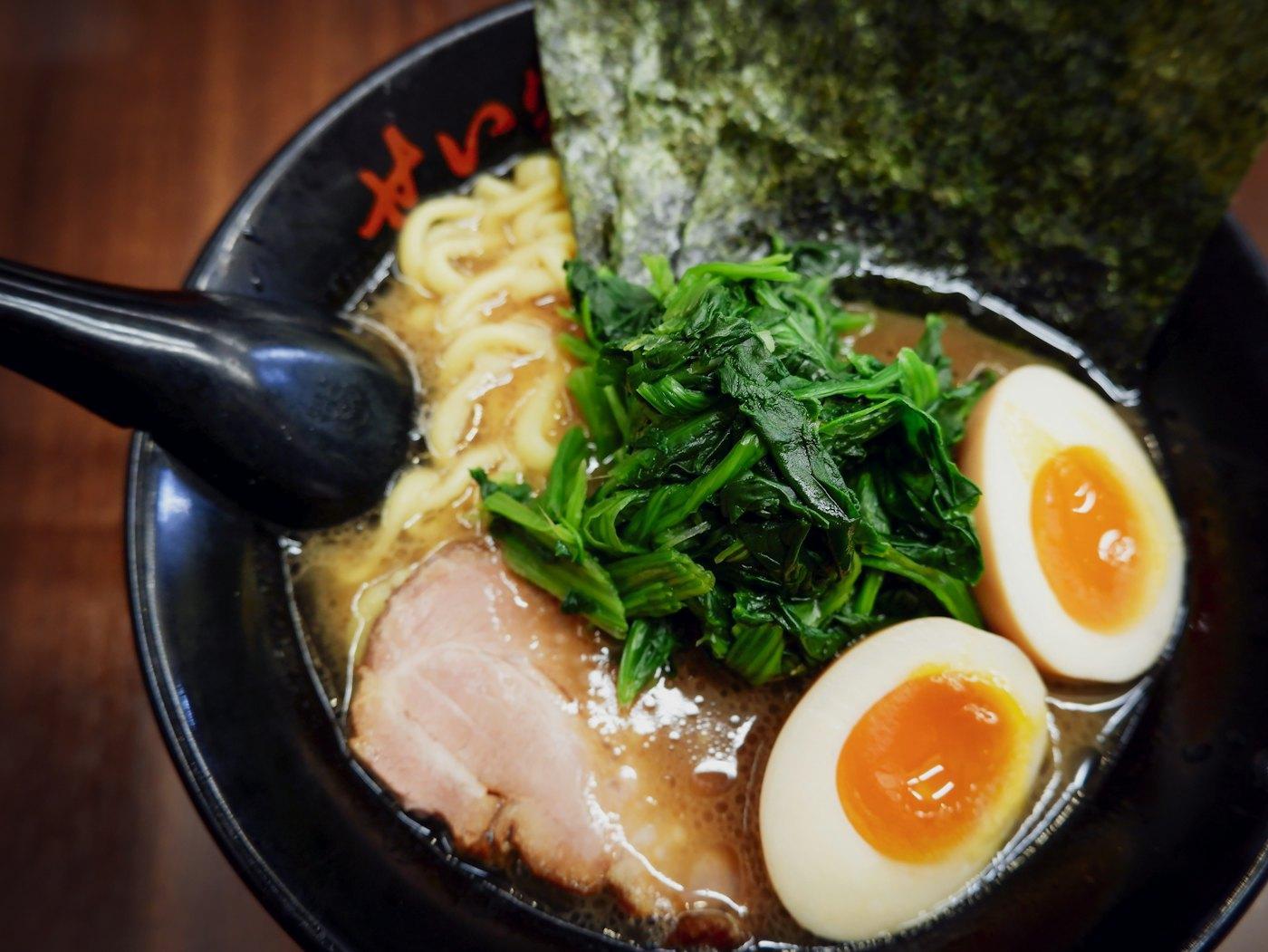
If there's a place in the world of Naruto you'd want to visit almost as badly as you'd want to learn to walk on water, it's a tiny stall with a noren curtain and a couple of wooden stools: Ichiraku Ramen. This is where the hero rushes after grueling training, tough missions, and serious conversations. And he almost always orders the same thing: a big steaming bowl of ramen.
For Naruto, this stall is more than just an eatery. It's the place where he was first accepted for who he is: a hungry, outcast kid who was given hot soup and treated like a person. That's why ramen in the series is more than food. It's a symbol of home, warmth, and the acceptance he so badly lacked as a child.
In this article we'll figure out what Ichiraku is, exactly which ramen Naruto loves, what types of this dish exist at all, and how a classic bowl is assembled. And at the end you'll find a link to a recipe so you can cook up a slice of the Hidden Leaf Village in your own kitchen.
Ichiraku: A Symbol of the Series
Ichiraku Ramen (一楽ラーメン) is a fictional noodle stall in Konoha, but it's modeled on completely real Japanese establishments. Small family-run ramen shops like this are a common sight in Japan: a narrow space, a counter, a cook at the stove right in front of the guest, and a signature broth recipe simmered for hours.
In the canon, the stall is run by the cook Teuchi together with his daughter Ayame. They've known Naruto since childhood and treat him almost like family. In the story, Ichiraku becomes the place where the hero feels he belongs, and that detail isn't accidental: in Japanese culture, a ramen shop often acts as a small social hub, where people eat side by side in silence yet still feel a sense of community.
An honest caveat: the Ichiraku brand itself is fictional, but it draws on a real tradition. Japan has thousands of independent ramen shops, each with its own broth character and signature toppings. So when we cook "Naruto ramen," we're not recreating a secret anime recipe but a recognizable style of a homemade Japanese bowl, inspired by the series.
Naruto's Favorite Ramen: Miso Chashu
Several sources on the franchise mention that Naruto's favorite order is miso chashu ramen. Let's break the name down piece by piece to understand what it means on the plate:
- Miso — a broth style based on fermented soybean paste. It gives the soup a dense, slightly sweet, and rich flavor with a pleasant saltiness.
- Chashu — braised or slow-cooked pork (classically pork belly or shoulder), simmered for a long time in a soy marinade, then sliced thin and laid over the noodles.
So "miso chashu" is a bowl with miso broth and generous slices of tender pork. The combination is filling, fragrant, and warming — it makes perfect sense that this is what the hero, forever short on homely comfort, would choose.
It's also worth noting the favorite dish as a cultural touch: in Japan, miso ramen is especially associated with the island of Hokkaido and the city of Sapporo, where this style became widely known. So Naruto's taste is quite "real," rooted in actual culinary geography.
Types of Ramen: Four Main Styles
Ramen isn't a single dish but a whole family of noodle soups that differ primarily by the broth base and the tare (a concentrated seasoning). Here are four classic types you'll encounter most often:
- Shoyu (soy). A clear, brownish broth based on soy sauce. It's considered one of the oldest and most widespread styles: the flavor is clean, salty, with a gentle depth. It's often the "baseline" ramen people start with.
- Miso (soybean paste). The very style Naruto loves. The broth turns out cloudy, dense, and warming, with the characteristic sweet-salty note of fermented paste. Its home of fame is Sapporo.
- Tonkotsu (pork bone). A thick, creamy, almost milky-white broth simmered from pork bones for many hours until it becomes rich and enveloping. It's associated with the Kyushu region and the city of Fukuoka.
- Shio (salt). The lightest and clearest of them all: the base is salt, the broth is pale and delicate, highlighting the flavor of the ingredients themselves. A good choice when you want something understated.
These four styles are the anchor points. In practice, Japan has dozens of regional variations, broth blends, and types of tare, but shoyu, miso, tonkotsu, and shio are what help a newcomer get oriented.
What Goes Into a Bowl of Ramen
The real strength of ramen lies in the balance of its elements. The bowl is assembled in layers, and each component plays its part. Here's what a classic serving usually contains:
- Broth. The soul of the dish. It's simmered for a long time, often from bones, vegetables, kombu seaweed, or dried fish; it's what defines the style (miso, shoyu, and so on).
- Tare. The concentrated seasoning at the bottom of the bowl — soy, salt, or miso paste. Combined with the broth, it shapes the final flavor.
- Noodles. Wheat noodles made from dough with added alkaline kansui solution, which makes them springy and yellowish. They can be thin or thick, straight or wavy.
- Chashu. Slices of slow-cooked pork — the main protein topping and Naruto's favorite part.
- Ajitama. A marinated soft-boiled egg with a runny yolk, steeped in a soy marinade.
- Narutomaki. That very pink-and-white slice with a swirl in the middle. It's a type of kamaboko — a cured fish cake. Incidentally, the hero's name really does echo this ingredient, and the spiral motif is a fun bonus for fans.
- Green onion, nori, and sprouts. Fresh accents: chopped scallions, a sheet of nori seaweed, and crunchy sprouts add texture and aroma.
When all of this comes together in one bowl, you get the very dish the hero is ready to ditch any training session for.
How to Make It at Home
The good news: to try "Naruto ramen," you don't need to travel to Japan or hunt down secret ingredients. A basic miso bowl with chashu and narutomaki is entirely doable at home if you stock up on a good broth, miso paste, quality noodles, and a couple of toppings.
We've put together a clear step-by-step version that captures the spirit of Naruto's favorite dish — take a look at Ichiraku Ramen from Naruto, where the ingredients and the order of steps are laid out. This is one of those cases where fan food and real cooking meet in a single bowl: you make a recognizable dish from a beloved series while also getting a genuine Japanese ramen.
Conclusion
Ichiraku Ramen is a tiny stall that became a big symbol: of warmth, friendship, and a place where you're always welcome. Naruto's favorite miso chashu is a real style rooted in Japanese tradition, not a writers' invention. Knowing the four main types of ramen and the makeup of a classic bowl, you'll easily navigate the menu of a real ramen shop and understand how to recreate the spirit of Konoha on your own stove. All that's left is to pick a broth to your taste — and cook your own bowl.