An anime-themed party is about more than posters on the walls and cosplay. The thing guests remember most is the food: those dishes you've watched characters devour episode after episode, finally on a plate in front of you. A steaming bowl of ramen straight out of a noodle stand, neat triangles of onigiri, colorful dango skewers — all of it turns an ordinary get-together into a little trip into the world of Japanese animation.
The good news is that pulling off a spread like this requires no special skills or hard-to-find ingredients. Most Japanese home cooking is built on a handful of basics: rice, broth, nori seaweed and soy sauce. The "just like in the anime" effect comes from presentation and styling, not from complicated technique. Below we break the menu into blocks — from a hot ramen bar to desserts and drinks — and show you how to lay it all out beautifully.
Decide up front how many people you're feeding and how many hands you have in the kitchen. A ramen bar works best as a build-your-own station; onigiri and dango can be made a day ahead and stored; bento boxes are easy to assemble in the morning. That way, on party day you'll be entertaining your guests instead of stuck at the stove.
The ramen bar: the heart of the anime table
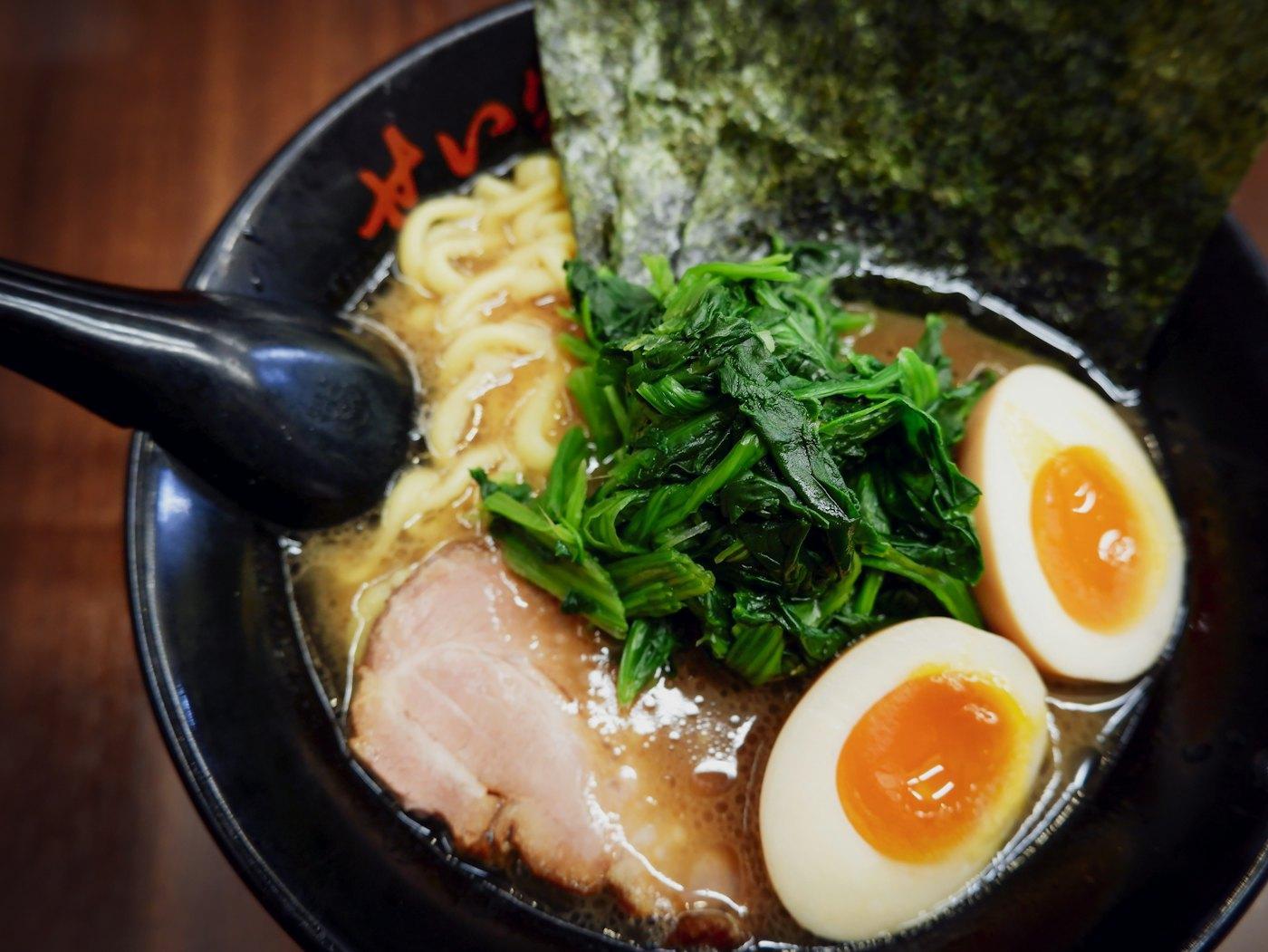
Ramen is probably the most recognizable anime dish of all. It's a Japanese noodle soup of wheat noodles in a rich broth, originally arriving in Japan from China in the early 20th century and growing into a national genre of its own, with countless regional schools. The core broth styles are shoyu (soy-sauce based), shio (light and salty), miso (with fermented soybean paste) and tonkotsu (a creamy pork-bone broth simmered for hours until it turns milky white).
For a party, the easiest approach is a ramen bar: prepare or buy a good broth, boil the noodles, and set out bowls of toppings so everyone can build their own. A classic topping lineup:
- Chashu — thinly sliced braised pork (belly or shoulder simmered in soy sauce with ginger).
- Ajitama — a marinated soft-boiled egg with a runny yolk (boiled 6–7 minutes, then steeped in soy sauce and mirin).
- Nori — a sheet of dried seaweed.
- Menma — fermented bamboo shoots.
- Green onion, corn, bean sprouts, sesame and chili oil for heat.
If you want to go straight for a legendary recipe, take a look at Ichiraku Ramen from Naruto — the very noodle shop Naruto keeps running back to. In the canon, Ichiraku is a fictional stand, but its signature miso ramen with chashu pork is easy to recreate at home with a real recipe. Put an "Ichiraku Ramen" sign on the table and your guests will love the reference.
Onigiri and bento: food you eat with your hands
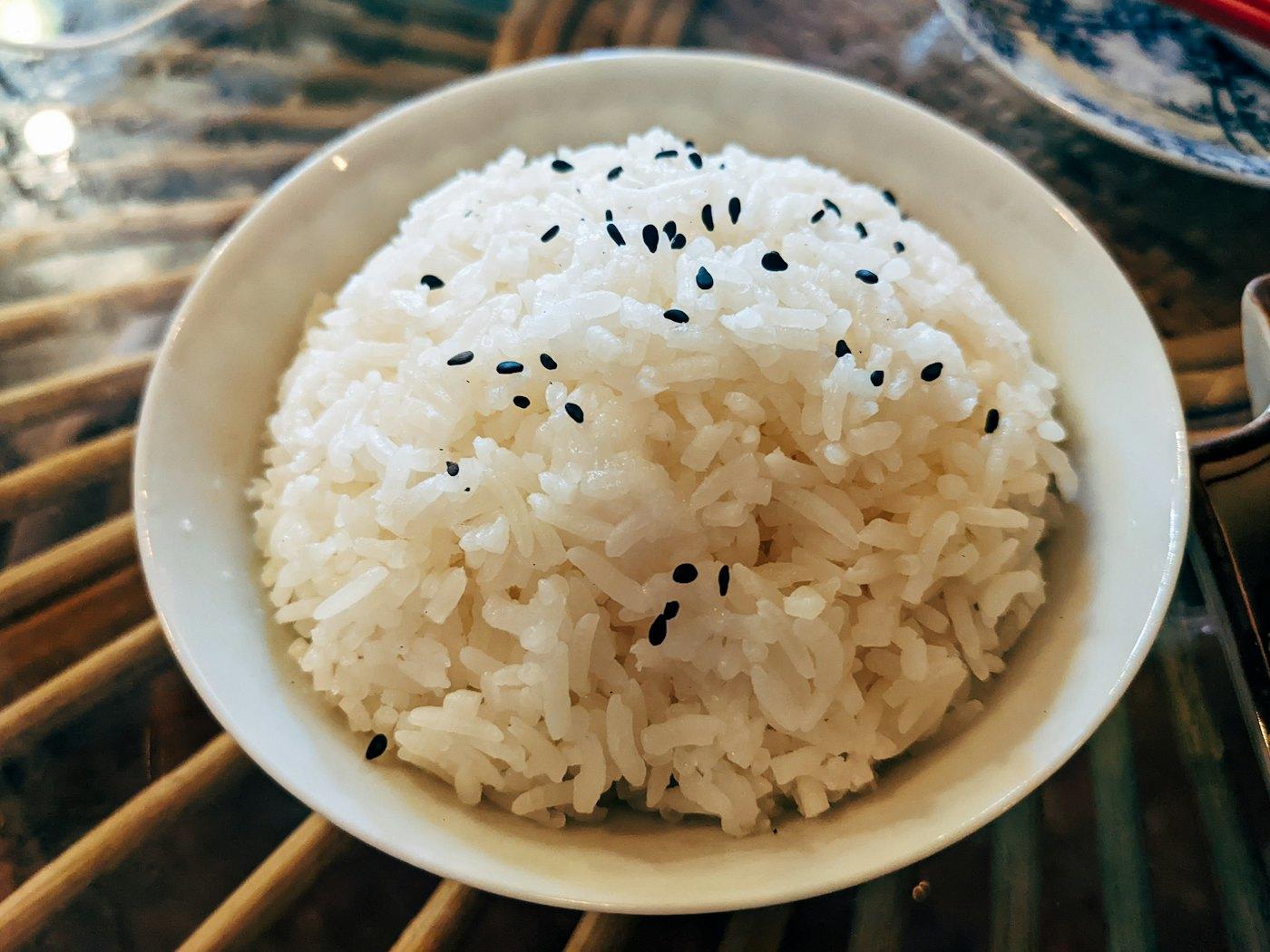
Onigiri are rice balls, usually shaped into triangles and wrapped with a strip of nori. They're formed from warm Japanese rice (short-grain and slightly sticky) and filled with things like umeboshi (pickled plum), tuna-mayo, salmon or tarako (cured cod roe). Onigiri are an ancient travel food: rice keeps well on its own, and the salt and sour filling act as a natural preservative, which is why people have carried them on journeys for centuries.
Onigiri pop up constantly in anime — from school lunches to campfire scenes on the road. One of the most touching moments is the rice ball in Onigiri from Spirited Away, where Chihiro eats one and bursts into tears. It's a plain onigiri with no fancy filling, and that very simplicity is what makes the scene so human. For a party, shape a couple dozen with different fillings and label them with little flags.
Bento as table decor
Bento is a Japanese boxed meal with compartments: rice, a protein (fish or meat), vegetables and something colorful. A genre of its own is kyara-ben (character bento), where the food is styled to look like characters — rice-and-nori pandas, carrot flowers, seaweed faces. For an anime party, kyara-ben is a sure win: it's food and decor at the same time.
A few easy styling ideas:
- Cut eyes and mouths for your characters out of nori with small scissors or a paper punch.
- Tint rice pink with a drop of beet juice, or yellow with a pinch of turmeric or folded-in omelet.
- Score and fry small sausages so they turn into "octopuses" and "crabs" — a classic of Japanese lunchboxes.
Dango, mochi and other sweets
Desserts on an anime table are small, neat treats that are nice to hold. The most recognizable is dango: balls of rice flour (mochiko or joshinko) threaded onto a skewer. Anime most often shows hanami dango — a trio of pink, white and green balls that symbolizes spring cherry-blossom viewing — and mitarashi dango, grilled balls glazed in a sweet-savory sauce of soy sauce and sugar.
More Japanese sweets for the table:
- Mochi — chewy cakes of pounded rice dough, often filled with anko (sweet red-bean paste).
- Daifuku — filled mochi; the classic is anko, while ichigo daifuku tucks in a whole strawberry.
- Dorayaki — two fluffy castella pancakes sandwiching anko; the very treat the robot cat Doraemon adores.
- Taiyaki — a fish-shaped waffle with a filling, another frequent guest of anime street scenes.
An honest note: dorayaki and taiyaki in anime are real — they're genuine Japanese sweets, not invented by the writers. But the fanciful desserts from fantasy series (magical cakes and the like) are only loosely described in canon, so their "real" versions are creative adaptations rather than historical recipes. Serve those as "inspired by," not as a traditional dish.
Japanese drinks and table styling
Drinks pull their weight on atmosphere too. The non-alcoholic classic is ramune, a soda in its distinctive bottle sealed by a glass marble inside; you push the marble down with a special plunger, and the ritual itself is a little attraction for guests. Add matcha green tea (an iced latte works great), cold barley tea (mugicha) and Calpis, a sweet milky drink. For an adult crowd, sake and Japanese beer fit nicely, but that's up to you.
To make the table look straight out of a frame, stick to a few simple moves:
- Color and shape of the tableware. Plain ceramic bowls, wooden chopsticks on hashioki rests, bamboo trays. Keep plastic to a minimum.
- Dish labels. Small flags or cards with names in Latin and kana double as guest navigation and decor.
- A noren zone. A fabric noren curtain in a doorway instantly evokes a Japanese izakaya stall.
- Lighting. Warm paper lanterns and string lights give the soft glow of an evening neighborhood.
Don't overcrowd the table: Japanese aesthetics love air and empty space between objects. It's better to space the dishes out than to cover every inch of the surface.
How to plan it all without the stress
For a smooth party, spread the cooking across time. The day before, simmer the ramen broth, marinate the eggs and make the chashu — all of it only improves after a night in the fridge. Onigiri and dango can be shaped ahead too, though onigiri are best eaten within a day. On party day, all that's left is to boil noodles, lay out toppings and assemble the bento.
Arrange dishes by logic: the hot ramen bar in one corner (near the stove or a slow cooker keeping the broth warm), cold onigiri and bento in the center, sweets and drinks in a separate zone where people can linger and chat. Guests will flow between "stations," and the table won't turn into a scrum.
Most important: don't chase restaurant-grade perfection. The charm of anime food lies precisely in its homemade, slightly imperfect warmth — a lopsided onigiri or a kyara-ben face that's drifted a bit looks livelier and more endearing than a sterile display case. Cook with joy, and that mood will carry over to your guests.
Conclusion
An anime party rests on three pillars: recognizable food, thoughtful presentation and a relaxed atmosphere. A ramen bar becomes the hot center of the table, onigiri and bento add that everyday Japanese coziness, and dango and ramune round out the dessert-and-drinks corner. Start with a couple of anchor dishes — say, Ichiraku Ramen from Naruto and Onigiri from Spirited Away — and build the rest of the menu around your crowd's tastes. Itadakimasu!