Polish cuisine grew out of long cold winters, fertile plains, and a history in which Poland spent centuries as a bridge between Western and Eastern Europe. It is hearty, homely and honest food: it does not chase elegance, but it knows how to warm and feed you. Poles love pork, cabbage, mushrooms, buckwheat, sour cream, and a tangy sourness that gives dishes real depth.
To understand the Polish table, keep three pillars in mind: dough (endless variations of pierogi dumplings and noodles), sour fermentation (sauerkraut, the rye starter for zurek), and generous portions. Poles traditionally eat their main meal in the middle of the day, and many classic dishes are built to feed a large family.
Pierogi, the great symbol
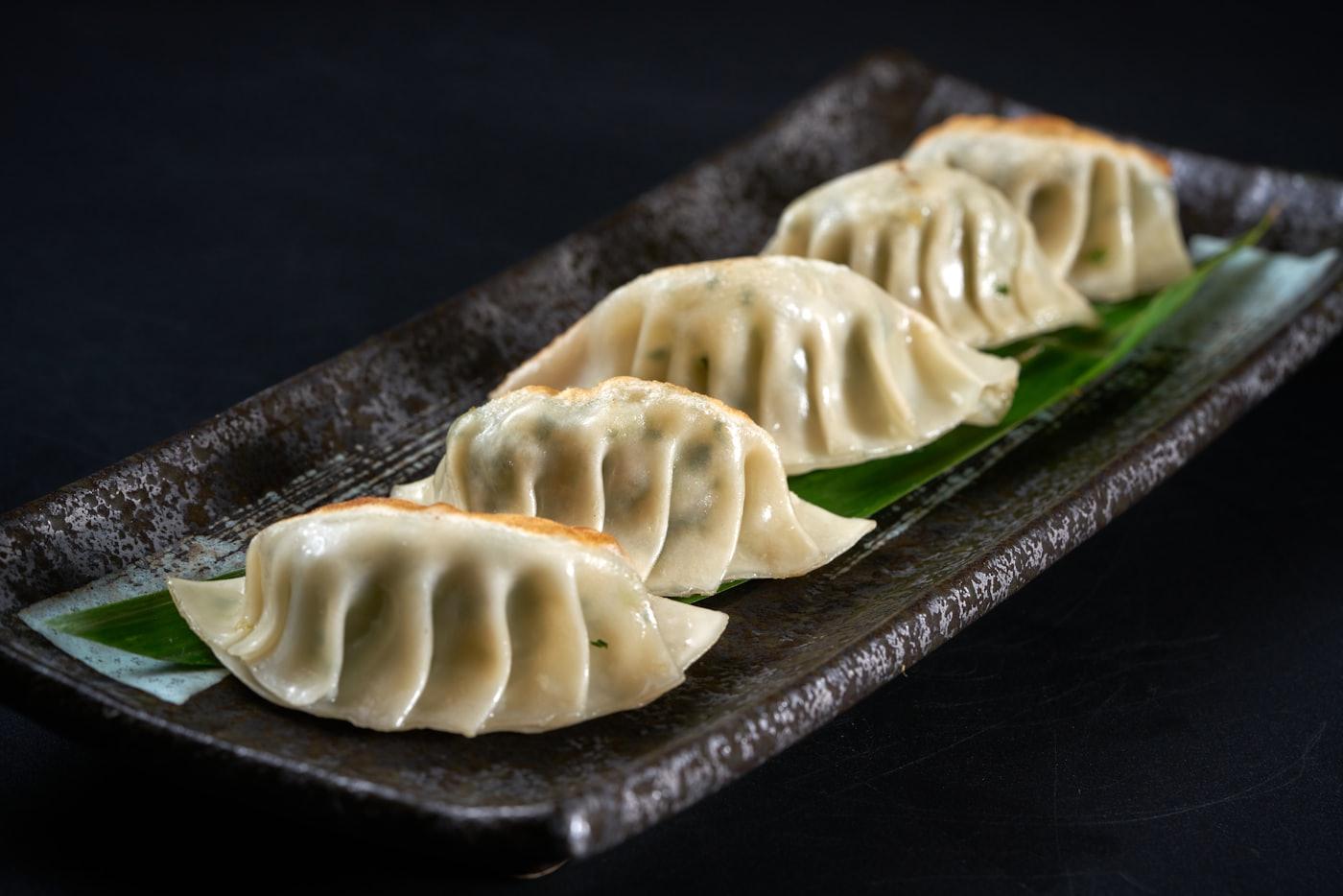
Ask a Pole about the national dish and you will almost certainly hear the word pierogi. These are half-moon dumplings of unleavened dough with an enormous range of fillings. The most famous are pierogi ruskie, filled with potato and twarog curd cheese (despite the name, this is not a Russian dish but a legacy of the eastern borderlands). There are pierogi with sauerkraut and mushrooms, with meat, and sweet ones for dessert filled with curd, blueberries or strawberries.
Pierogi are boiled and then often pan-fried in butter with cracklings and onion. They are made for Christmas, for weddings and simply on Sundays — folding pierogi together as a family has long been a ritual.
Bigos and braised cabbage
Bigos is often called hunter's stew, but it is essentially a long-simmered mix of fresh and sour cabbage with several kinds of meat and sausage. Into the pot go pork, beef, smoked meats, sometimes game, prunes and mushrooms. The secret is that bigos tastes better on the second and third day: it is cooled and reheated, and each time the flavour grows deeper and richer.
Cabbage rules the Polish table in general. It also becomes golabki — rice-and-meat filling wrapped in cabbage leaves and braised in tomato sauce. The name means "little pigeons," a nod to their plump round shape.
Sour soups and zurek
Poles adore sour soups, and the chief of them is zurek (or kwasny zur). Its base is a rye-flour starter that ferments for several days and gives the soup its characteristic tang. Zurek is loaded with white sausage and smoked meats, sometimes half a boiled egg, and in some regions it is served inside a hollowed-out bread bowl.
Other beloved soups include:
- Barszcz — clear, deeply ruby beetroot soup, often served with tiny dumplings called uszka at Christmas.
- Rosol — golden chicken broth with noodles, a Sunday-lunch classic.
- Ogorkowa — a surprisingly gentle, tangy soup of pickled cucumbers.
Meat dishes: kotlet schabowy and golonka
The centrepiece meat dish of a Polish dinner is kotlet schabowy, a breaded pork-loin cutlet, a cousin of the Viennese schnitzel. It comes with mashed potato and braised cabbage or a cucumber salad. It is the dish many Poles miss most when they live abroad.
Golonka is roasted or braised pork knuckle, often cooked in beer, with crisp crackling outside and tender meat within. It is served with horseradish and mustard, frequently alongside a glass of dark beer. It is hard to imagine a more filling plate.
Sweets and the seasons
Polish baking deserves a chapter of its own. The best known are:
- Paczki — fluffy fried doughnuts, traditionally filled with rose jam or plum butter. They are eaten in great quantities on Fat Thursday before Lent.
- Sernik — a dense, not-too-sweet cheesecake made from twarog curd.
- Szarlotka — an apple cake that smells of Polish autumn.
Seasonality here is not an empty word. In spring Poles wait for new potatoes and sorrel soup; in summer, forest berries and mushrooms; in autumn, plums and apples; in winter, sauerkraut and hearty stews. This bond with the seasons is what makes Polish cooking feel so real.
What to cook first
If you want to meet Polish cuisine at home, start with pierogi ruskie: the dough is simple and the potato-and-curd filling is available all year. Once you have mastered the folding, try bigos — it forgives mistakes and only improves with long simmering. And for dessert, bake a sernik: a single curd cake will tell you more about Poland than a dozen words.