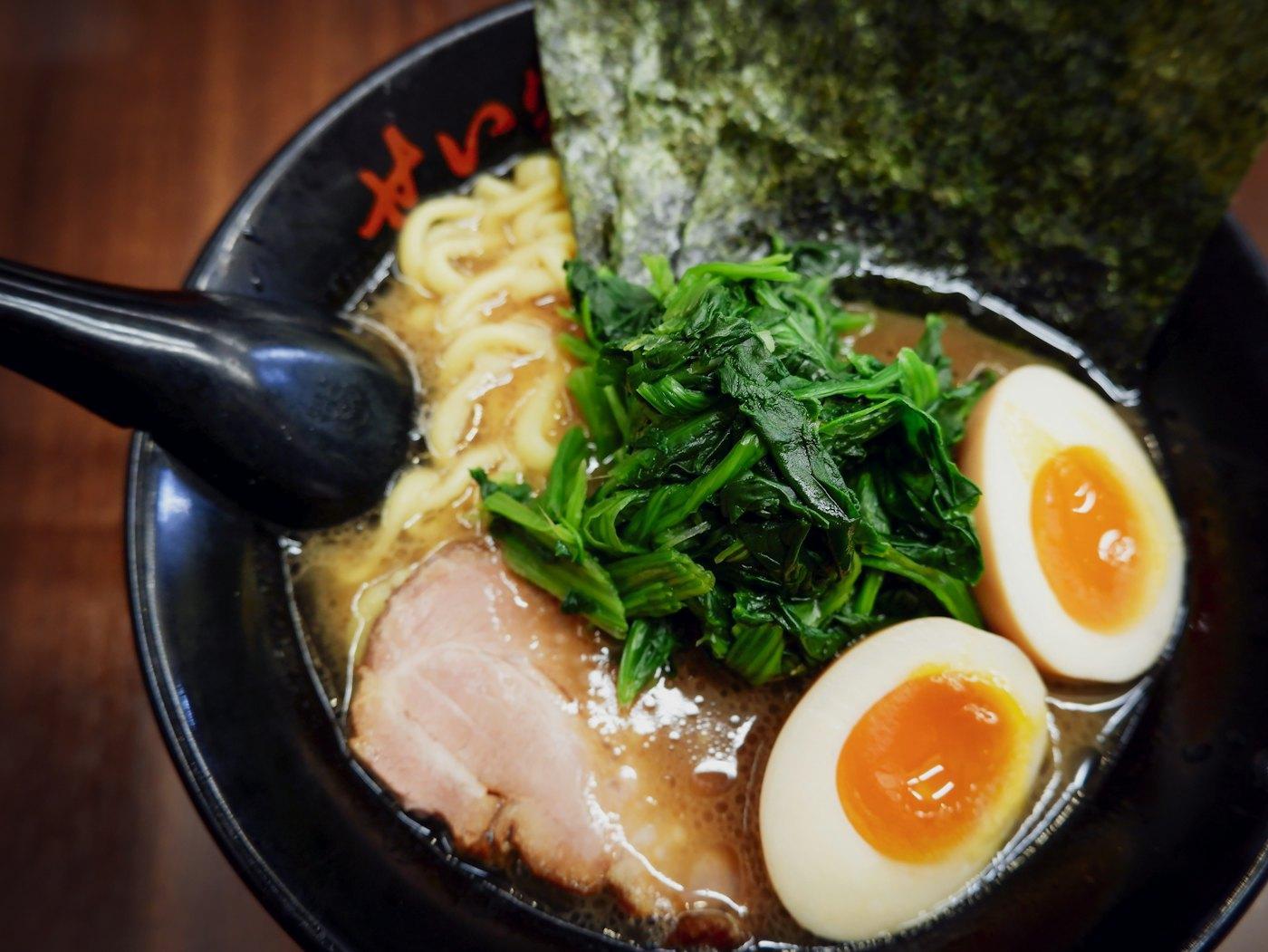
You have probably caught yourself doing it: you are watching anime, a character sits down, breaks open an onigiri or lifts a steaming tangle of noodles with their chopsticks — and suddenly you are starving, even though it is only a drawing on screen. No smell, no taste, not a single real calorie, and yet your mouth waters. This is no accident and no magic. Behind every "delicious" drawn dish lies a deliberate craft where animation technique, Japanese food culture and the rules of good storytelling all come together.
Food in anime has become a genre of pleasure in its own right. There is even an informal term for it — anime food porn: shots where a dish is presented so lovingly that it briefly becomes the star of the scene. Studios pour as much effort into these few seconds as they do into battle sequences, because they know that food, drawn right, instantly conjures warmth, comfort and the feeling of home.
Let us break down exactly which techniques animators use to achieve this effect — and why every appetizing frame rests on a very real culinary and cultural foundation.
The technique: drawing things you want to eat
An appetizing frame is the sum of many small choices by the artist. Here are the key tricks that show up in almost any food-focused anime.
- Highlights and gloss. On the surface of a broth, on a glaze, on the fat of grilled meat, artists place bright white highlights. The brain reads gloss as "fresh, moist, juicy," so ramen with highlights looks hotter and a pastry looks sweeter.
- Steam and motion. Rising steam is almost always animated as a separate layer. It hints at temperature and aroma — things you cannot draw directly but can suggest. Drifting steam brings the frame to life and makes the dish feel freshly made.
- Texture and contrast. A crispy crust, fluffy rice, stretchy cheese, a jammy yolk — each texture is rendered differently. Contrasting textures (crunchy against soft) sharpen the urge to take a bite.
- Drips, oozes and breaks. Sauce running down, a ramen egg's yolk spilling open, an onigiri snapping in half — the moment of "destruction" reveals the dish's interior and proves it is real and edible.
- Color. A warm palette — golden, amber, ruddy — reads as heat and comfort. Cold dishes, by contrast, are drawn in fresh green-blue tones.
The main trick is that animators do not draw photographically accurate food, but idealized food — a little brighter, a little glossier, a little more perfect than in real life. It is the same logic professional food stylists use for advertising, only without the limits of reality.
Close-ups, slow motion and sound
If you pay attention, "delicious" scenes are nearly always edited the same way.
First comes a wide shot of the table and the character, then the camera pushes in on the dish in close-up, often with a slight slowdown. This shift forces the viewer to focus on the food alone — we literally cannot look anywhere else. The slowdown stretches out the moment of pleasure: the noodles rise slowly, steam curls, a yolk bursts as if in slow motion.
Sound plays an enormous role. Carefully recorded foley — slurping broth, the crunch of tempura, the bubbling of boiling oil, a satisfied smack of the lips — does more than any image could. Japanese culture, by the way, does not frown on noisily slurping noodles: a loud "slurp" is actually considered a sign that the dish is good. So the noisy ramen-eating in anime is not rudeness but, quite literally, an audio advertisement for flavor.
And almost always the scene is capped with a close-up of the character's face: eyes squeezed shut in bliss, flushed cheeks, sometimes a signature glow around them. The reaction finishes the thought for the viewer, who already felt it anyway.
"Itadakimasu": a small ritual of gratitude
You cannot talk about anime food without mentioning the ritual you hear in roughly every other series — "itadakimasu" before a meal and "gochisousama deshita" afterward.
This is not simply "bon appetit." The word itadakimasu literally means "I humbly receive" and expresses gratitude to everyone who brought the food to the table: the farmers, the cook, and even the plants and animals that gave their lives. The palms pressed together and that short phrase form a moment of respect for the meal.
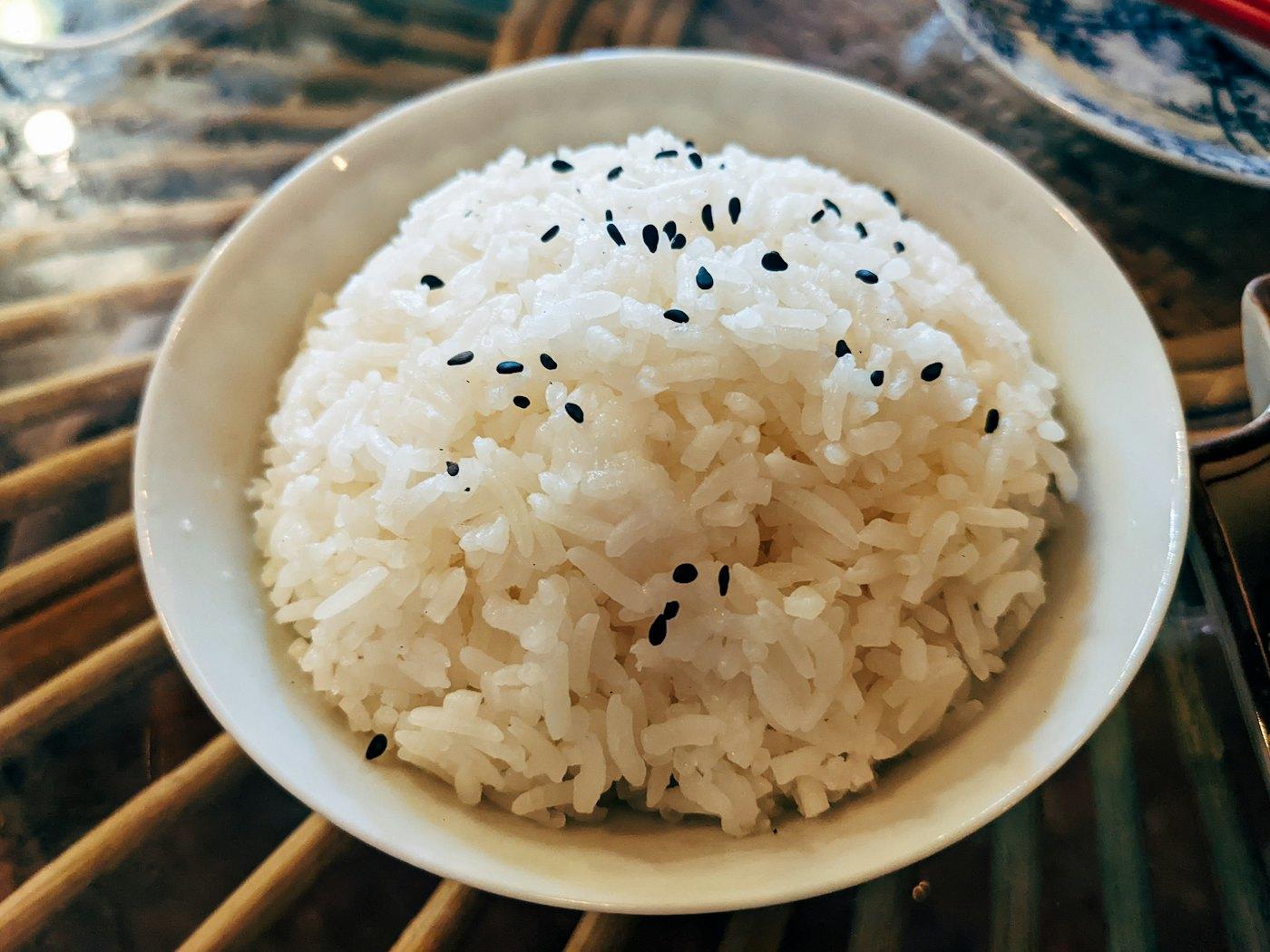
For the viewer, the ritual works as a signal: something important and pleasant is about to happen. It slows the scene down, tunes us toward enjoyment and underlines the value of the food. That is why even a humble bowl of rice feels significant in anime — the culture teaches reverence for it, and the animation faithfully passes that reverence on.
Food as a storytelling tool
Here is the most interesting part: in good anime, food is almost never just food. It carries meaning.
- Food as care. A bento a mother packs for her child, or dinner cooked for a tired friend, is unspoken love shown through a plate. The viewer understands the characters' feelings without a single word.
- Food as memory and home. A taste from childhood, a family recipe, a late relative's favorite dish — food becomes a bridge to the past and to the feeling of home.
- Food as reconciliation and connection. A shared meal patches up a quarrel, draws strangers closer, turns a group of loners into a family. To share food is to share trust.
- Food as reward and respite. After a hard fight or a long journey, a bowl of hot noodles is a symbol that the hero survived and earned a rest.
This is exactly why the iconic Ichiraku Ramen from Naruto is not merely the protagonist's favorite meal. The little Ichiraku stand is the place where Naruto is always welcomed and accepted — an island of warmth in a lonely life. When he eats ramen there, we are not really watching noodles; we are watching belonging and care. The dish carries emotional weight, and that is why it looks so achingly delicious.
The master studios: Ghibli and Kyoto Animation
Not every studio draws food the same way. There are acknowledged masters whose food shots have long become the benchmark.
Studio Ghibli
Hayao Miyazaki and his studio turned food into one of their signature motifs. The bacon and eggs in Howl's Moving Castle, the stews, broths and simple bread with honey — all drawn with an almost tangible tenderness. In Ghibli's hands, food often symbolizes life, warmth and humanity.
One of the most famous "delicious" moments in all of anime is the onigiri scene in Spirited Away, where the river spirit Haku gives a weeping Chihiro a rice ball. It is not about hunger but about comfort: simple food restores the girl's strength and her faith in herself. You can bring that scene into your own kitchen — try shaping Onigiri from Spirited Away by hand; it is easier than it looks.
Kyoto Animation (KyoAni)
KyoAni is famous for an almost obsessive attention to the details of everyday life. In their work, food is rendered with photographic love: steam, highlights, texture — all turned up to the maximum. You often want to pause a meal scene in their series just to study it. In many ways, KyoAni set the modern standard for how a cozy, ordinary "delicious" scene should look.
There are also entire genres built around food — culinary anime where the dishes are the main characters and their preparation is shown step by step, almost like a cookbook. For projects like these, studios often consult real chefs so that both the technique and the plating ring true.
Conclusion
Anime food looks appetizing not because of any single trick, but because of how they stack: idealized art with highlights and steam, a cinematic close-up with slow motion, precise sound, a cultural ritual of gratitude and, above all, the meaning the food carries within the story. What makes a frame delicious is not only the gloss on the broth, but the fact that we know this dish means something to the character.
The good news is that many of these dishes are entirely real and within reach in your own kitchen. Ramen, onigiri, bento, tempura — behind them stands a living Japanese culinary tradition, not just beautiful animation. So next time a drawn bowl of noodles makes you swallow, do not resist it: cook a real bowl of ramen or shape some onigiri, and feel the very joy the animators worked so hard to create.