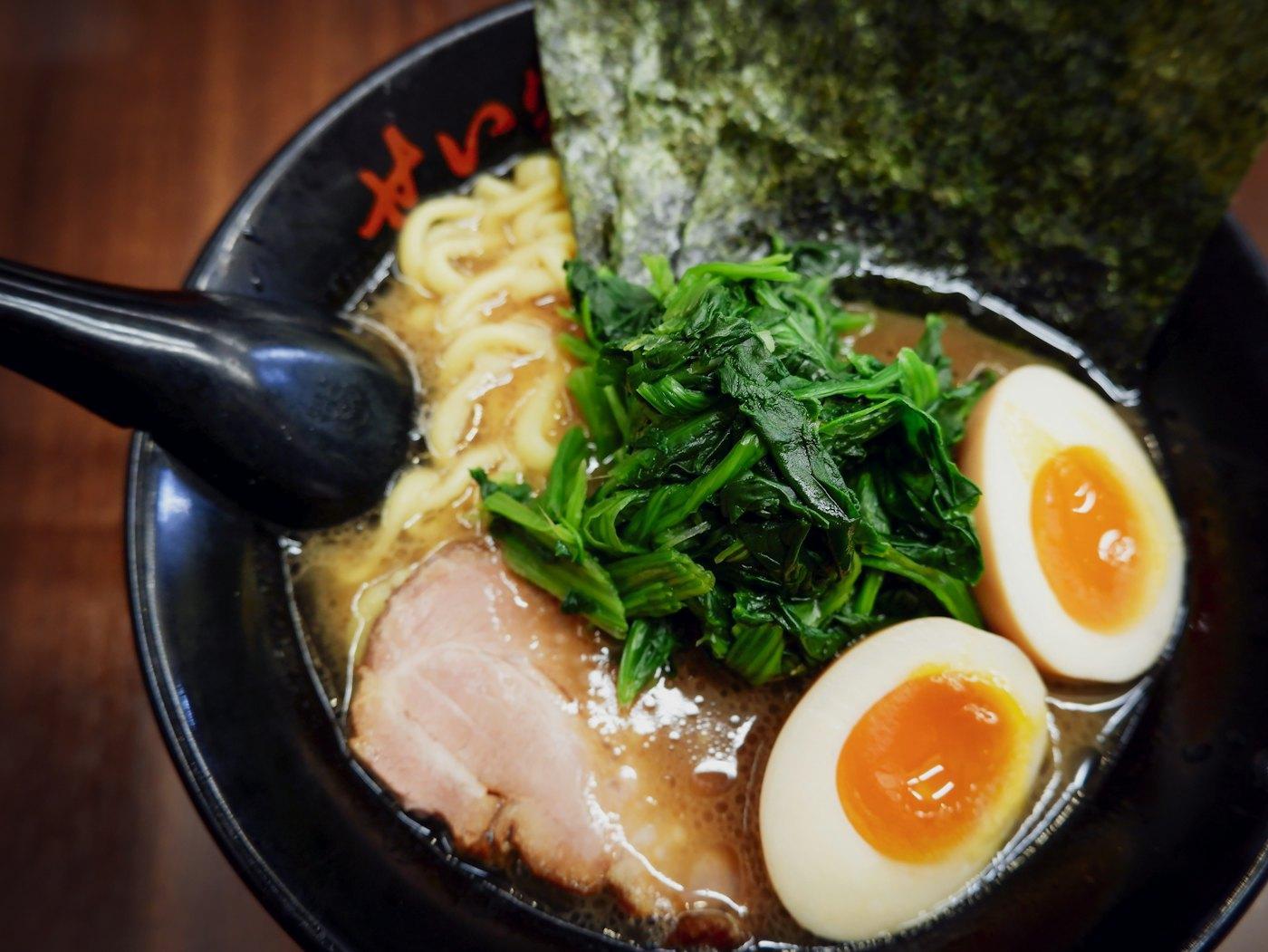
Korean cuisine is all about balance and generosity. Spicy and sweet, hot and cold, crunchy and tender sit side by side on the same table, while a whole chorus of little dishes circles the main course. Eating alone is not really the point here: a meal is a shared act, with a grill at the center of the table and everyone assembling their own perfect bite. It is this philosophy of the communal table that makes Korean food so irresistible.
Geographically, Korea is a mountainous peninsula surrounded by sea, with cold winters and hot, humid summers. From this come the two pillars of its cuisine: fermentation, which once helped preserve vegetables through long cold months, and an abundance of seafood and seaweed. Rice, soybeans, garlic, ginger, sesame and gochugaru red pepper form the basic vocabulary on which thousands of dishes are built.
Over the past decades Korean gastronomy has become a global phenomenon, in large part thanks to K-dramas, K-pop and films where characters constantly gather around a sizzling grill or slurp ramen straight from the pot. If a screen first sparked your appetite for Asian food, take a look at our recipe for Ichiraku Ramen from Naruto — it is a Japanese story, but it shows nicely how pop culture fuels a craving for real Asian cooking.
Kimchi: the soul of the Korean table
If Korean cuisine has a heart, it is kimchi — fermented vegetables, most often napa cabbage, coated in a spicy paste of red pepper, garlic, ginger and salted seafood. Kimchi is eaten with practically every meal: it is a side dish, a seasoning and a probiotic all at once. There are hundreds of regional and seasonal varieties — made from radish, cucumber, scallion, or even a mild white kimchi with no chili at all.
The tradition of preparing large batches of kimchi for winter is called kimjang, and in 2013 it was inscribed on UNESCO's list of intangible cultural heritage. In the past, whole villages and families would gather in autumn to ferment dozens of cabbages and live on them through the cold. Many people still make kimchi at home today, and dedicated kimchi refrigerators keep the perfect fermentation temperature.
Why fermentation matters so much
Fermentation is not just a preservation method but a flavor instrument in its own right. Lactic-acid bacteria convert sugars into acids, creating that deep tang and umami that fresh ingredients simply cannot fake. Kimchi grows more complex and interesting with every passing day, and overripe kimchi finds new life in stews and fried rice.
- Baechu kimchi — the classic napa cabbage version, the most recognizable of all.
- Kkakdugi — kimchi made from radish cubes, crunchy and juicy.
- Oi sobagi — stuffed cucumbers, a refreshing summer variety.
- Baek kimchi — white kimchi without hot pepper, mild and slightly sweet.
Bibimbap: harmony in a single bowl
Bibimbap simply means "mixed rice," and that captures the whole idea of the dish. A set of separately cooked vegetables — fern, spinach, carrot, soybean sprouts, mushrooms — is fanned out over warm rice, joined by slices of marinated meat, a fried egg and a spoonful of spicy gochujang paste. Then everything is mixed together decisively right before eating.
The beauty of bibimbap lies in its deliberate balance: there is freshness and warmth, crunch and softness, and every color on the plate carries its own flavor. Dolsot bibimbap is especially prized — a version served in a scorching stone bowl, where the bottom layer of rice turns into a crisp golden crust called nurungji. It also makes a wonderful choice for anyone who wants a hearty yet balanced meal.
Korean barbecue: fire at the center of the table
Korean barbecue, or gogi-gui, is perhaps the most social genre of Korean food. A grill is built into the middle of the table, and guests cook the thinly sliced meat themselves: marinated beef bulgogi, beef short ribs galbi, or juicy pork belly samgyeopsal. The smell of smoke, the sizzle of fat and the shared fuss around the grill turn dinner into a small celebration.
A finished piece of meat is traditionally wrapped in a lettuce or perilla leaf together with rice, a slice of garlic, a dab of ssamjang paste and a touch of kimchi. This little parcel is called ssam and is eaten whole in one bite — the very embodiment of the Korean "assemble it yourself" idea. Barbecue almost always comes with a host of side dishes, without which the table feels bare.
Marinades and sauces
The secret of Korean barbecue lies in its marinades. The classic bulgogi base is soy sauce, sugar or pear for sweetness, sesame oil, garlic and black pepper. The pear not only sweetens but also tenderizes the meat thanks to its natural enzymes. For pork, spicier marinades built on gochujang and gochugaru are more common.
Tteokbokki and banchan: street food and table generosity
Tteokbokki is the star of Korean street food: cylinders of chewy rice cake are simmered in a bright red, sweet-and-spicy gochujang sauce. They are sold at pojangmacha stalls, eaten piping hot right on the street, and often joined by fish cakes called eomuk, a boiled egg and scallions. The texture of tteokbokki is springy and chewy — for many people, that bounce is the main pleasure.
Banchan is the collective name for all the small side dishes served alongside rice. There may be three of them, or there may be twenty, and good restaurants refill them for free. Banchan is a vivid expression of Korean hospitality: the more generous the table, the greater the respect shown to the guest.
- Kimchi — almost always present in one form or another.
- Namul — seasoned vegetables and greens, usually blanched.
- Japchae — glass noodles made from sweet potato starch with vegetables and sesame.
- Gyeranmari — a rolled omelet, sliced into rounds.
- Kongjaban — sweet-salty black soybeans braised in sauce.
Balance of flavors and the culture of shared eating
At the foundation of Korean cuisine lies the idea of harmonizing five flavors and five colors. Spicy, sweet, sour, salty and bitter should balance one another, and the dishes on the table should add up to a beautiful palette. That is why even a simple home dinner looks like a mosaic of many little plates rather than one big dish.
Eating in Korea is almost always collective. The main dish sits in the center, the banchan is shared, and a sense of closeness grows out of the shared process itself: grilling the meat, pouring drinks for elders, trading bites. This culture of the communal table is, to a large extent, exactly what wins people over around the world just as much as the flavors do.
Conclusion
Korean cuisine is generous, vibrant and remarkably friendly to newcomers: you can start with a single bowl of bibimbap or a portion of tteokbokki, or you can dive straight into a home barbecue with a dozen side dishes. Behind every dish stands the idea of balance and togetherness — and that is exactly why Korean food becomes a favorite so easily. Try fermenting your own kimchi, build the perfect ssam, or simply gather friends around a sizzling pan, and you will feel where the magic really lies.