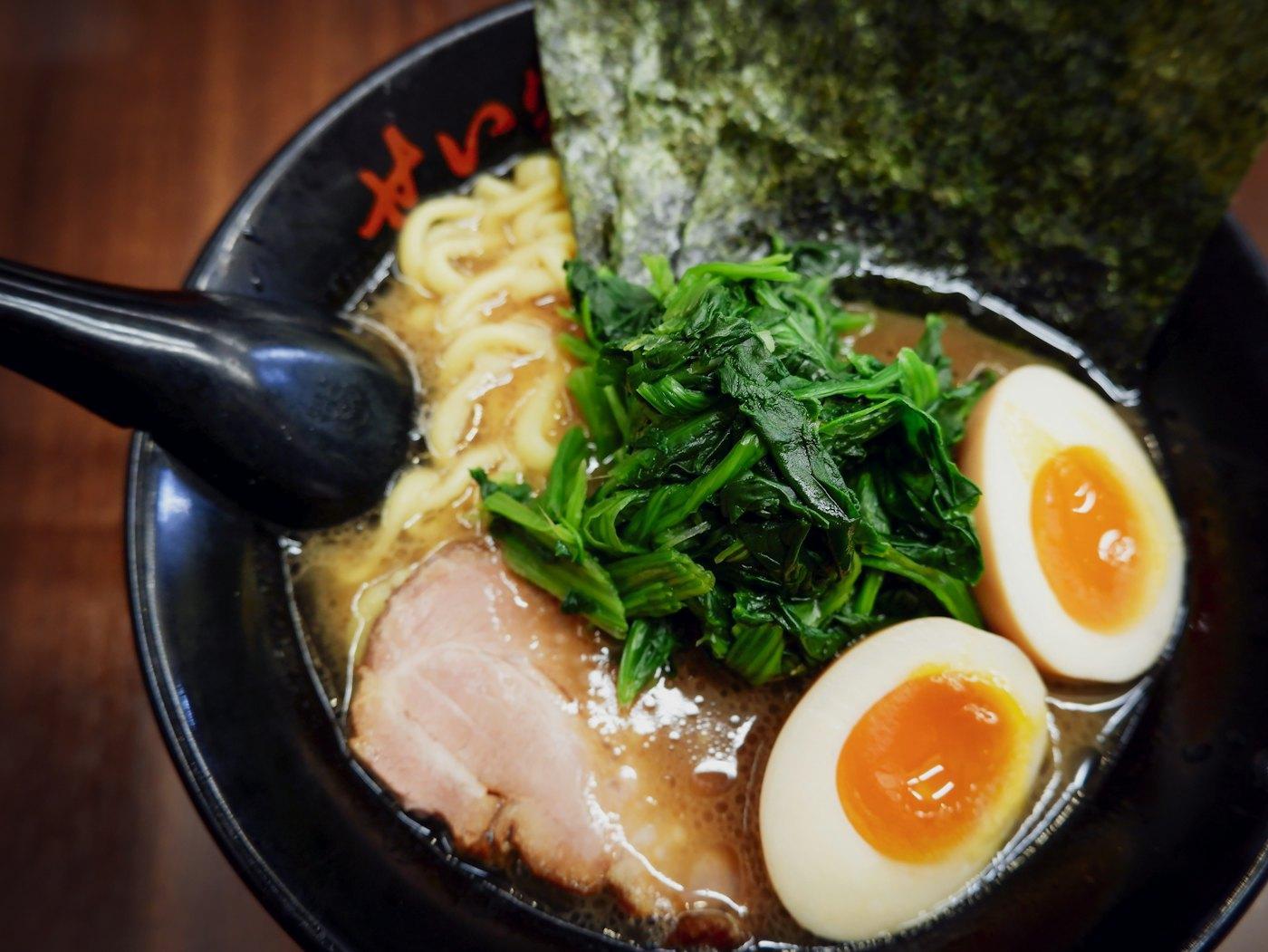
Great ramen doesn't begin with the noodles or the marinated egg — it begins with the broth. The broth sets the character of the entire bowl: whether it will be light and clear, or thick, creamy and clinging to every strand of noodle. In Japan people line up for a single bowl of well-made ramen, and chefs spend years refining their broth recipes. That's not marketing hype — it's the real difference between "noodle soup" and a dish you crave again and again.
The good news: making a worthy broth at home is absolutely achievable. You only need to understand a handful of things — the main types of base, how collagen works, why clear broth differs from cloudy broth, and why ramen needs separate tare and aroma oil. Once that mechanism clicks, the recipe stops feeling like magic and turns into a set of controllable steps.
In this guide we'll walk through every key element, share practical techniques, and at the end point you toward a concrete recipe you can recreate in your own kitchen.
What ramen is actually made of
Before you start simmering, it helps to understand the structure of the dish. Ramen isn't simply "broth with noodles" — it's an assembly of several independent layers, each with its own job:
- Broth (the base) — the liquid foundation simmered from bones, meat, fish, seaweed or a combination. It provides body and depth.
- Tare — a concentrated salty seasoning that sits at the bottom of the bowl and defines the dominant flavor.
- Aroma oil — a spoonful of flavored fat on top that "seals in" the aroma and gives the surface a glossy sheen.
- Noodles — alkaline wheat noodles (made with kansui), springy and slightly yellow.
- Toppings — chashu (braised pork), egg, menma (fermented bamboo), nori, green onion, narutomaki.
This article is about the first three layers, because they are the ones that carry the flavor. Noodles and toppings matter too, but without the right base even a perfect slice of chashu won't save the bowl.
The four classic broth types
In Japanese tradition ramen is usually classified along two axes: by the type of broth itself and by the type of tare. In everyday conversation four names come up most often, and it's important to realize they describe slightly different things.
Tonkotsu
Tonkotsu (literally "pork bone") refers to the broth itself, not the seasoning. Pork bones — most often trotters and backbone — are boiled hard for many hours. The fat and gelatin emulsify into the water, and the broth turns cloudy white, thick, almost like milk. This is a southern style, firmly tied to the Kyushu region and the city of Hakata (Fukuoka). Tonkotsu is the richest, heaviest option, and its creamy texture is exactly what most people picture when they imagine "real ramen."
Shoyu
Shoyu (soy sauce) is about the tare, not the broth. The base can be a chicken-and-vegetable or combined stock, while the flavor comes from a soy-based seasoning. The result is a clear amber-brown soup with a clean, savory, gently umami taste. Shoyu ramen is considered the classic Tokyo style and one of the oldest and most versatile.
Miso
Miso ramen appeared later than the others — it's associated with Sapporo on the island of Hokkaido, dating from around the 1950s. Here fermented soybean paste (miso) is worked into the base, giving a dense, hearty, slightly sweet and deeply umami flavor. Miso suits cold climates perfectly: the broth comes out rich and warming, especially with corn, butter and seared ground pork.
Shio
Shio (salt) is the lightest and, in spirit, the oldest style of tare. Salt doesn't mask the base — it highlights it — so shio ramen is usually built on a clean, clear broth made from chicken, seafood or seaweed. It's a delicate style with nowhere to hide: the quality of the broth is on full display.
The role of collagen and simmering time
The main secret of a rich broth is collagen. It's the protein found in connective tissue, bones, skin and joints. During a long simmer collagen converts into gelatin, and it's the gelatin that gives the broth body, a velvety mouthfeel, and that slight stickiness on your lips after a spoonful.
The logic is simple: the more collagen-rich parts you use (pork trotters, chicken feet, backbones, skin) and the longer you cook, the denser the result. For clear shoyu or shio broths a few hours of gentle simmering is enough. For cloudy tonkotsu you need a vigorous, rolling boil — often 8 to 12 hours or more — because that intense movement of water breaks the fat and gelatin into tiny droplets and turns the broth white.
A few practical guidelines:
- Blanch the bones before cooking: cover with cold water, bring to a boil for a couple of minutes, drain and rinse. This removes blood and impurities for a cleaner flavor.
- Clear broth loves calm. Keep a barely-there simmer and skim the foam — turbulence stirs up cloudiness.
- Cloudy broth loves force. A hard boil is needed to emulsify the fat; a lid and topping up with boiling water help maintain the level.
- Don't salt the base. You'll add salt through the tare, which keeps the broth versatile.
Tare: the heart of the flavor
Tare is that concentrated seasoning placed at the bottom of the bowl before the broth is poured in. It's effectively the "soul" of ramen: the very same neutral broth turns into shoyu, shio or miso depending on the tare. Chefs guard their tare recipes precisely because it's the signature of the shop.
The basic logic is straightforward. Soy tare is soy sauce, often with mirin, sake, sugar and sometimes kombu or dried bonito for umami. Salt tare is salt dissolved with a little dashi and a few drops of something aromatic. Miso tare is miso paste blended with garlic, ginger and toasted seasonings.
The key technique: season the bowl, not the pot. This separates the "body" of the broth from its "saltiness," letting you fine-tune each serving precisely. A typical bowl uses roughly 30–40 ml of tare per 300–400 ml of base, but taste and adjust to your liking.
Aroma oil: the finishing touch
The final layer is aroma oil, often called abura in Japanese. It's a fat (pork, chicken or vegetable) infused with fragrant ingredients: green onion, garlic, ginger, sometimes burnt garlic for the black oil known as mayu. A spoonful floating on the surface not only adds flavor but also traps heat and aroma, keeping the broth from cooling too quickly.
Making it is easy: warm the fat over low heat with your chosen aromatics, let them release their flavor without burning, then strain. Even a basic onion-and-garlic version noticeably lifts the dish. It's the combination of broth plus tare plus aroma oil that turns a homemade soup into true ramen — three layers playing in harmony.
Where to start in practice
If you're making ramen for the first time, don't chase a multi-hour tonkotsu right away. Begin with a gently simmered chicken-and-vegetable broth and a simple soy tare — it's faster, more forgiving, and gives a clean, understandable result. Once you've mastered the base, moving on to miso or a thick cloudy broth becomes easy.
Ready to try? Bring all the layers together in one bowl with our recipe — Ichiraku Ramen from Naruto. It's that famous bowl from the Ichiraku noodle shop, and a great way to put everything we just covered into practice.
Most of all, remember that ramen rewards experimentation. Swap the tare, play with the aroma oil, adjust the simmering time to hit the body you want. Once you feel the logic of the layers, you'll be able to assemble your own perfect bowl — and it'll beat any packet of instant noodles every time.