When The Legend of Zelda: Breath of the Wild launched, players quickly discovered that they were spending half their time not in combat, but at a campfire. Link tosses gathered herbs, mushrooms, meat and fish into a cooking pot, waves his hand to a cheerful jingle, and pulls out a steaming dish that restores hearts and grants temporary buffs. Cooking went from a charming little mechanic to a genuine part of the adventure — and Zelda food became a beloved corner of fan cuisine.
The best part is that many of these dishes aren't invented at all. Pumpkin pie, meat stew, rice balls, fruit pie — these are real recipes that existed long before the game. Nintendo simply carried familiar home cooking into the fantasy world of Hyrule. That means recreating Link's cooking on your own stove is far easier than it sounds.
In this article we'll break down how the cooking system in Breath of the Wild works, which dishes are the most recognizable, and which of them you can actually make at home. No magic required — just real flavor.
How cooking works in Breath of the Wild
The game's cooking system is surprisingly logical and behaves almost like a real kitchen. Link has no recipe book: he simply combines up to five ingredients and drops them into a pot. The result depends entirely on what you put in. Meat plus vegetables and a seasoning makes a hearty dish; fruit with sugar makes a dessert; fish and rice yields something close to onigiri.
The key idea is buffs. Many ingredients in the game carry an "effect" — for example, a spicy pepper warms you up, while certain mushrooms boost stamina. If you cook with ingredients that share the same effect, the dish inherits that bonus: warmth, cold resistance, extra speed, or stealth. This turns the kitchen into a strategic tool before a tough mountain climb or a nighttime raid.
One important detail: you can't blend effects. If you toss in ingredients with conflicting bonuses, the dish ends up with none of them. And if you add something truly unsuitable — like a bug or a chunk of ore — Link cooks up an inedible "dubious food." This simple yet deep mechanic is exactly why cooking in Breath of the Wild became iconic.
Pumpkin pie: an autumn classic of Hyrule
In the game, pumpkin pie is made from a pumpkin, wheat, butter and cane sugar — essentially the recognizable lineup for real baking. And here the game barely embellishes: pumpkin pie is a genuine dish with a long history.
The classic pumpkin pie originates in North America. Indigenous peoples ate squash and pumpkin long before Europeans arrived, and the familiar custard-filled pie in a crust took shape among colonists, eventually becoming a symbol of Thanksgiving. The pumpkin is roasted or boiled, pureed, then mixed with cream or milk, eggs and warming spices — cinnamon, ginger, nutmeg and clove.
To make "Link's pie" at home, you'll need:
- roasted pumpkin flesh, pureed until smooth;
- a shortcrust or pressed-pastry base;
- eggs and cream (or sweetened condensed milk) for a silky custard texture;
- sugar and a blend of warm spices — cinnamon, ginger, nutmeg.
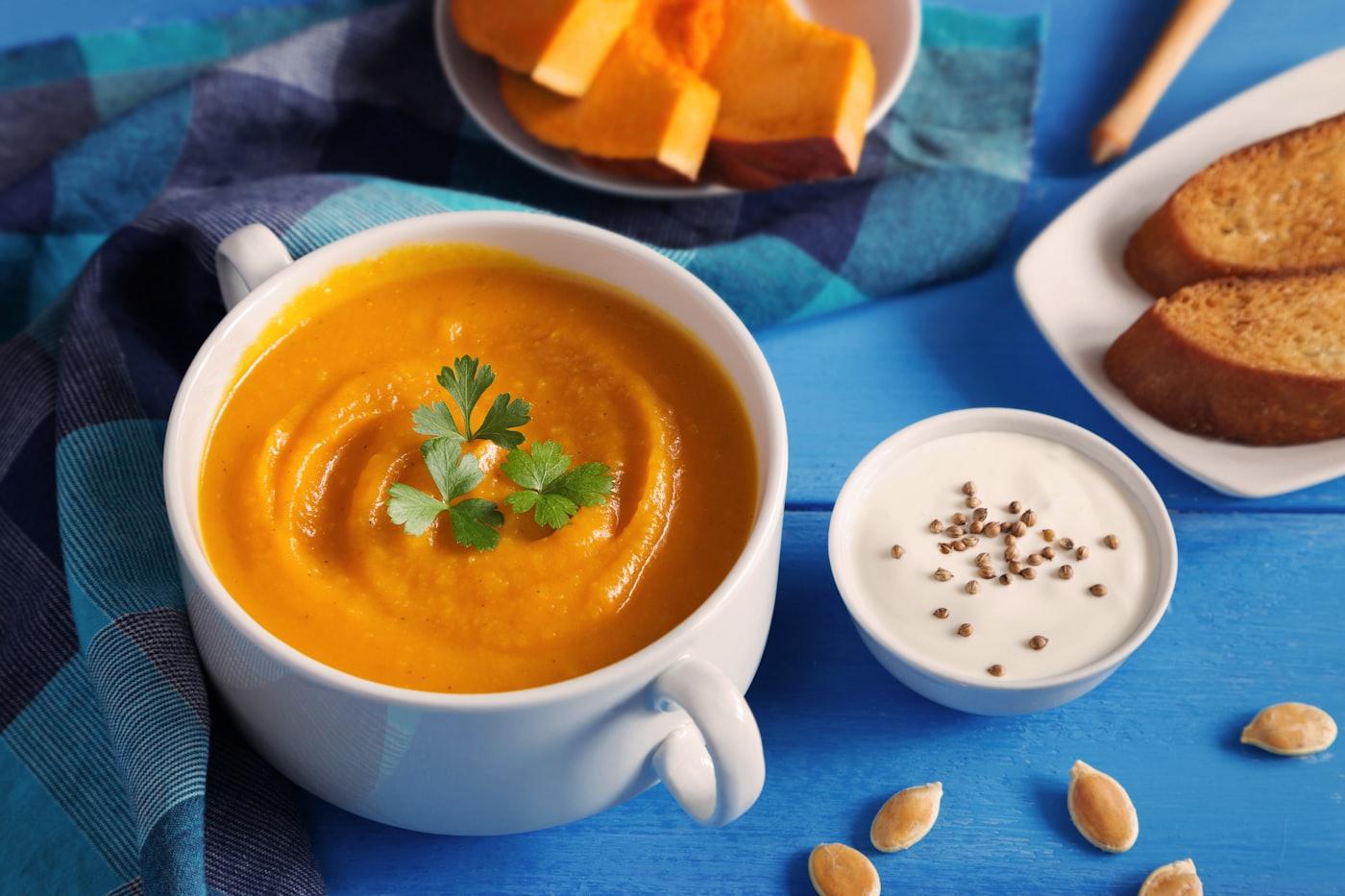
If you prefer pumpkin in a savory dish rather than a dessert, take a look at Stardew Valley Pumpkin Soup — velvety, warming, and also born from the world of video games.
Meat stew: the adventurer's essential hearty meal
Meat stew in Breath of the Wild is one of the most nourishing dishes: it restores plenty of hearts and often serves as a base for health-boosting buffs. In the game it's made from meat, vegetables and a seasoning — and once again, this is entirely real food.
Stewed meat is one of the oldest cooking methods, known to virtually every cuisine on Earth. The idea is simple: tough cuts of meat are slowly simmered in liquid with vegetables until the collagen turns to gelatin and the meat becomes tender. French beef bourguignon, Hungarian goulash, Irish stew, Russian zharkoye — all of them are cousins of Link's very pot.
For a home version, take bone-in beef or lamb, sear the pieces until well browned, add onion, carrot, celery root and garlic, then cover with broth. After that comes patience: an hour or two of gentle simmering under a lid. At the end, add potato or pumpkin, fresh herbs, and optionally a spoon of tomato paste for depth. A stew like this really does feel like restored hearts after a long day.
Why stew is the perfect fan food
Stew is wonderful because it forgives mistakes. It's hard to ruin, it only tastes better the next day, and you can throw in almost any seasonal vegetable — exactly the way Link tosses whatever he finds on the slopes of Hyrule into his pot.
Rice balls: onigiri for the traveler
Rice balls in the game are a direct nod to Japanese onigiri, which is no surprise: Zelda is made by the Japanese studio Nintendo, and Japanese cuisine pops up regularly in its games. Onigiri is a shaped lump of cooked rice, often with a filling and wrapped in a sheet of nori.
The history of onigiri stretches back more than a thousand years: pressed rice was convenient travel food for warriors and farmers long before modern bento boxes existed. Today it's a staple Japanese snack, sold everywhere from tiny shops to round-the-clock convenience stores.
Making onigiri at home couldn't be simpler:
- cook short-grain (Japanese) rice — it's sticky and holds its shape well;
- let it cool slightly so you don't burn your hands;
- moisten your palms with water and a pinch of salt;
- shape a triangle or a ball, tucking a filling inside if you like — salty umeboshi plum, a piece of salmon, or tuna with mayo;
- wrap with a strip of nori.
These are exactly the rice balls Link devours at his campfire — simple, honest food that works just as well in real life on a picnic or on the road.
Buffs and spices: magic with a real foundation
The most "fantasy" part of cooking in Breath of the Wild is the buffs. But even they have down-to-earth logic. The spicy pepper that warms you in the game is a nod to a real property of chili: capsaicin creates a sensation of heat. Stamina dishes in the game often involve mushrooms, and mushrooms genuinely are a valuable source of nutrients.
Of course, in reality a bowl of soup won't grant you +3 speed or truly shield you from the cold. But the core idea — that food affects how your body feels — is absolutely true: a hot stew warms you in the cold, a hearty breakfast gives you energy, and a spicy dish really does make you sweat. Zelda simply dramatized something we already know about food.
If you're after a "dessert buff" of your own, visit another gaming culinary icon — the Minecraft Cake. It's another example of how a simple pixelated item turns into a genuine celebration dessert.
What you can actually cook inspired by Zelda
The takeaway is a happy one: most of Link's food is reimagined home classics. Here's a short list of dishes you can make literally today:
- Pumpkin pie — a spiced pumpkin custard filling in a shortcrust shell.
- Meat stew — slow-simmered beef or lamb with vegetables.
- Rice balls (onigiri) — Japanese rice with a filling and nori.
- Fruit pie — an open tart with seasonal apples or berries.
- Seared fish — a simple salmon or trout fillet with herbs.
The guiding principle of Link's cooking is not to fear combining seasonal ingredients and to let the dish finish slowly over low heat. Just like in the game: you take what's at hand and turn it into something warming.
Conclusion
The cooking system in Breath of the Wild became beloved not because it's complicated, but because it's honest and recognizable. Behind the magical buffs and the cooking-pot animation lies a simple truth: real food really does restore your strength and lift your mood. Pumpkin pie, meat stew and rice balls all exist in our world, waiting for you to light your own "campfire" in the kitchen.
Try starting with just one thing — pumpkin in either a savory or a sweet form, for instance — and feel a little like Link, who gathered ingredients on a hillside and cooked up something genuinely delicious. Magic is optional: good ingredients and a bit of patience are all you really need.