"Sailor Moon" is a 1990s anime icon, and food holds a place of honour in it. The heroine Usagi Tsukino is not only a sailor-suited warrior but an incorrigible glutton and sweet tooth. Half the show's everyday scenes happen over food: Usagi is late for school choking on toast, begs for cakes and dreams of desserts. Through this love of sweets the series also shows off cosy Japanese home cooking. Let's see what the heroines actually eat.
Usagi and her dango hairstyle
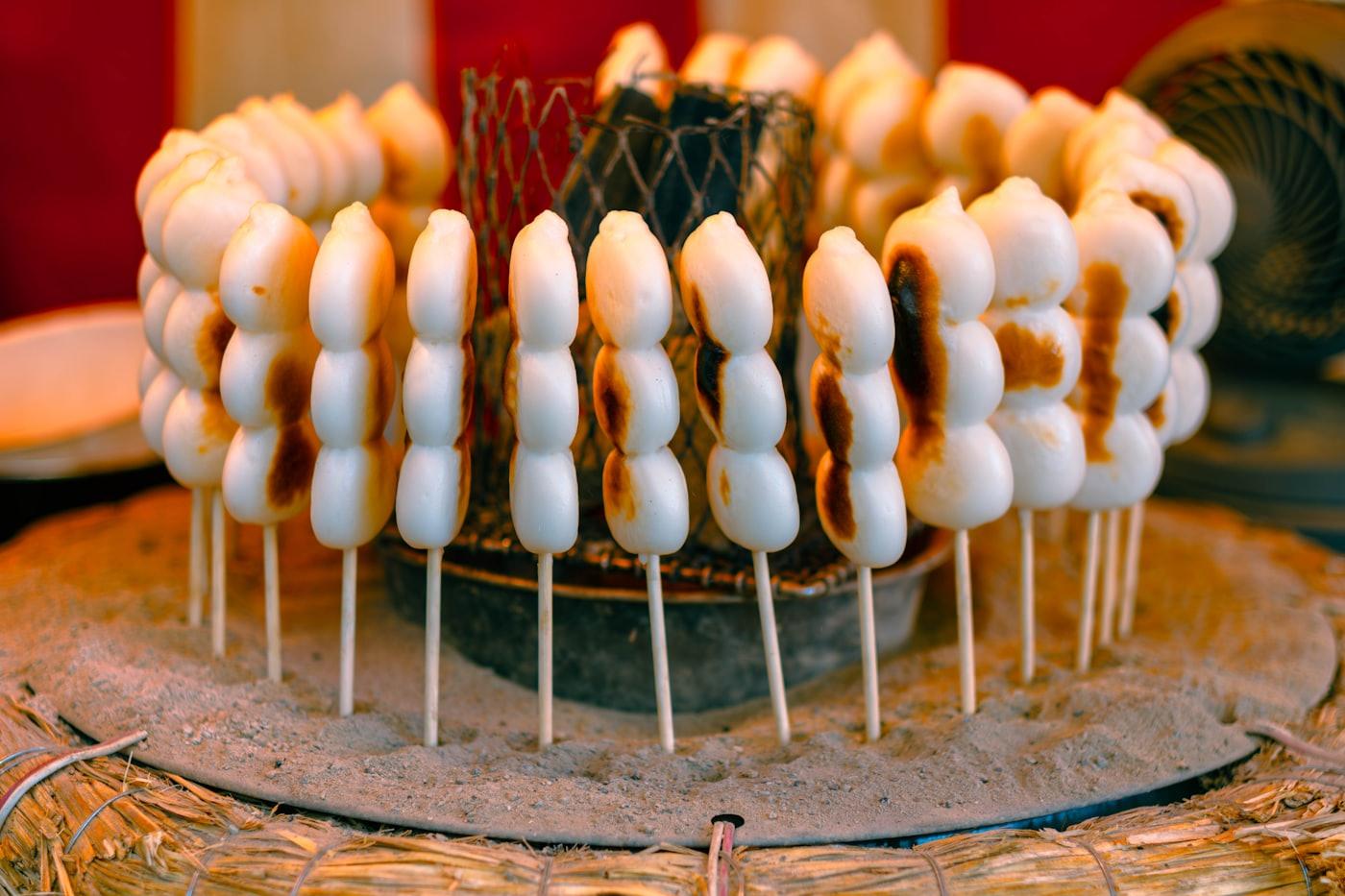
Let's start with the most recognisable thing. Usagi's signature hairstyle — two ball-shaped buns at the sides with trailing tails — is called odango precisely because it resembles dango, Japanese sweet rice-flour balls on a skewer. Her friends even tease her as odango atama, "dango head."
That is a direct culinary bridge: to feel the Sailor Moon universe, just make dango. These are small chewy balls of rice flour, usually three or four to a skewer, served with various toppings — from sweet soy glaze to red bean paste. For a themed evening dango is the perfect starting point, since they are literally on the heroine's head.
The sweets Usagi chases
Usagi adores sweets in every form. The series features:
- strawberry shortcake — airy sponge with whipped cream and strawberries, Japan's number-one celebration dessert;
- traditional Japanese wagashi — delicate treats of rice dough and anko paste;
- ice cream and parfaits — which the girls keep dropping into cafes for after school.
These desserts reflect real Japanese sweet culture: less heavy cream, more delicacy, neat portions and almost always a beautiful presentation. Strawberry shortcake is especially symbolic — a festive cake every child in Japan knows.
Japanese home food from the show
It is not all sweets. Usagi's family and her friends eat ordinary Japanese home cooking, and through it the show portrays 1990s daily life. Most often that is:
- Japanese curry — mild, thick and slightly sweet, not spicy at all, a children's favourite;
- bento — a packed lunch box taken to school: rice, pieces of omelette, vegetables, little cutlets;
- rice, miso soup and simple sides as the backbone of the everyday table.
Japanese curry and bento are cosy, approachable food that is easy to recreate at home. They are also a great way to show children that anime food is not always about desserts.
Cafes and shared get-togethers
A hallmark of the series is the cafes the heroines visit as a group. There they eat parfaits, drink milkshakes and talk things over. Meeting specifically over sweets is a very Japanese tradition, and it beautifully captures the light, friendly mood of Sailor Moon.
For a cooking night that is a hint: set a small kawaii table of sweets and tea, arrange everything prettily, and you get that very atmosphere of sailor-suited warriors hanging out after a hard day of saving the world.
Food and the heroines' personalities
Interestingly, food in Sailor Moon helps reveal character. Usagi, with her endless hunger and love of desserts, embodies the carefree childishness she gradually grows out of. The level-headed Ami prefers something simple and wholesome, while the domestic Makoto, by contrast, is a wonderful cook who dreams of one day opening her own bakery or flower shop.
This is a classic device of Japanese storytelling: show a person through their relationship with food. For a cooking night it is handy — you can build a "menu by heroine":
- sweet and bright for Usagi — dango, shortcake, parfaits;
- light and neat for Ami;
- homemade baking for Makoto, who loves cooking for her friends.
This approach turns an ordinary set of dishes into a little story about the characters rather than just a list of recipes.
What to make at home
The best way into the Sailor Moon universe is to start with dango, the heroine's hairstyle turned into food. Make anime-inspired dango: chewy rice balls on a skewer look kawaii and need only a couple of ingredients.
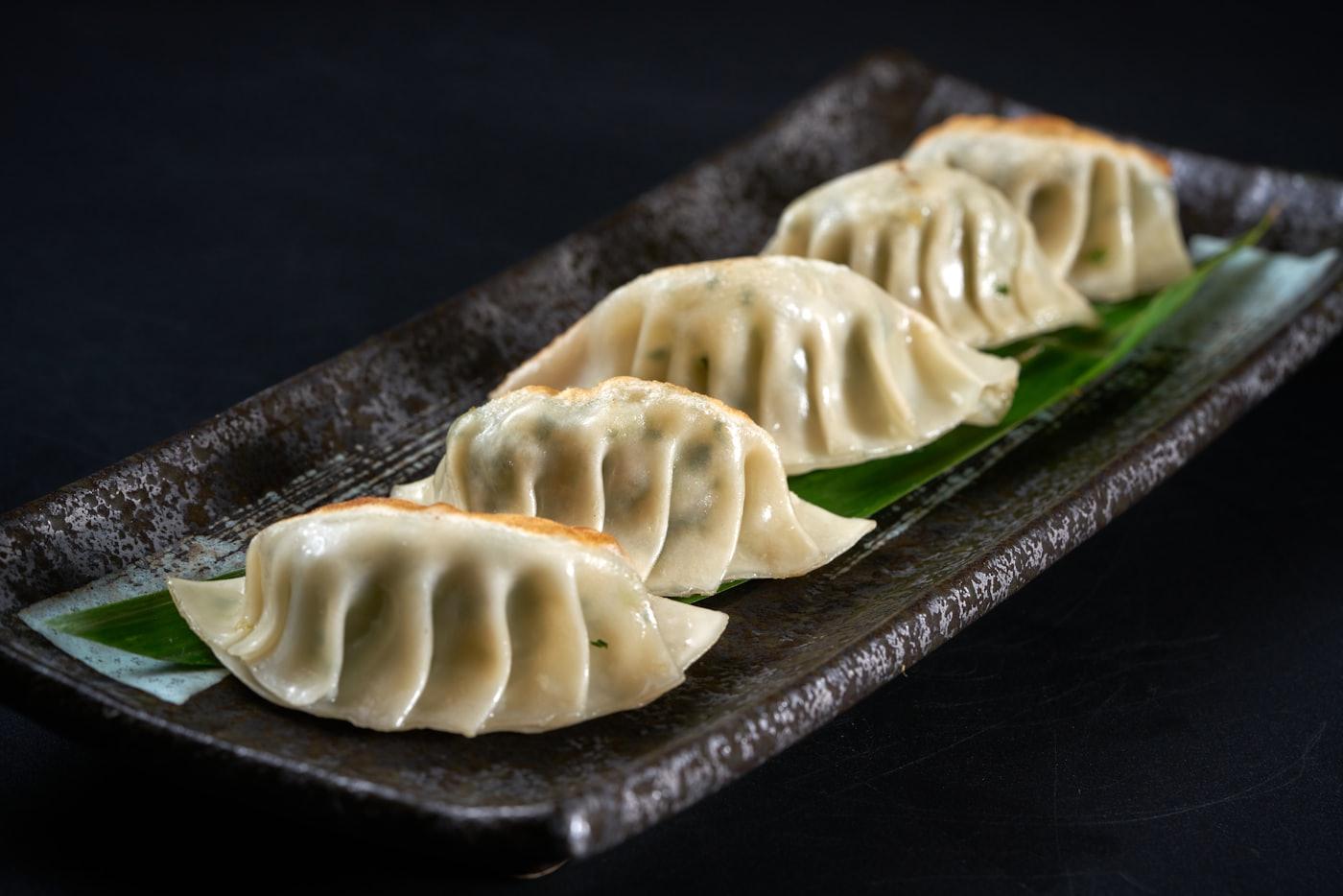
To add hearty Japanese food in the spirit of bento and the girls' home lunches, make gyoza, Japanese dumplings. Crisp on the bottom and juicy inside, they perfectly round out a sweet table and turn the evening into a genuine 1990s Japanese dinner.