In Genshin Impact, food is more than decoration. Every dish can be cooked at a campfire and grants buffs: it restores health, boosts attack, or protects you from the cold of snowy Dragonspine. Many characters have a signature dish with an improved effect, and cooking events like the Lantern Rite have become a beloved part of the fan culture.
The most interesting part is that almost all of Teyvat's cuisine is honestly rooted in real culinary traditions. The game's regions are recognizable references: Mondstadt draws on Germany and the Alps, Liyue on Chinese culture, Inazuma on Edo-era Japan, Sumeru on the Middle East and India, and Fontaine on France. The dishes follow that flavor too — sometimes as a direct copy of a real recipe, sometimes as a stylized nod.
In this article we'll walk through the cuisines of the main regions, talk about the most iconic dishes — almond tofu, grilled fish, and Inazuma noodles — and show which real Asian recipes hide behind the pixel food. Along the way we'll be clear about what's canon and what fans simply imagine for themselves.
Mondstadt: Alpine comfort and almond tofu
Mondstadt is the city of freedom and wine, and its cuisine smells of Europe: hearty sausages, mushroom risotto, fried fish, honey tea. Yet the region's most famous dish is a dessert with almost nothing European about it.
Almond Tofu is Barbara's signature dish and one of the first recipes a player learns to cook. In game it's a delicate milky-white dessert that restores HP. Despite Mondstadt's European setting, its prototype is Asian: it's a Chinese and Japanese dessert known as xìngrén dòufu (杏仁豆腐) or annin tofu.
Real almond tofu isn't tofu made from soy at all. It earned the name from its looks: a white, jelly-like block cut into cubes. In fact it's a chilled pudding of milk, sugar, and almond essence (classically from bitter apricot kernels), set with agar-agar or gelatin. It's served in a light sweet syrup, often with canned mandarin segments or goji berries.
It's easy to make at home:
- Warm the milk with sugar without letting it boil.
- Dissolve agar-agar (or gelatin) and add a drop of almond extract.
- Pour into molds and chill until set.
- Cut into cubes and serve in a light syrup with fruit.
The result is a light, slightly jiggly dessert with a marzipan aroma — exactly the impression the game's "tender" almond tofu suggests.
Liyue: Chinese cuisine in full swing
Liyue is the most food-driven region of Teyvat, which makes sense: its prototype is China and its vast culinary tradition. Here you'll find steamed buns, braised meat, fiery dishes, and of course fish.
Grilled fish and stamina buffs
Barbecue / Grilled Fish and relatives like "True Barbecue" are Liyue classics. In game, fried and grilled fish often restore stamina or grant a stamina bonus while climbing and swimming, which fits a region of mountains and sea.
The real prototype is Chinese grilled river fish, kǎo yú (烤鱼). It's a popular dish from Sichuan and Chongqing cooking: a whole fish is marinated, roasted or grilled, then simmered right in a tray-pan in a spicy broth with chili peppers, Sichuan pepper, garlic, and vegetables. The outcome is barbecue and hot pot at once — fragrant, fiery, with the signature numbing tingle of Sichuan pepper.
At home you can make a simplified version: rub a whole fish (sea bream, perch, tilapia) with salt and spices, bake it, then pour over hot oil infused with garlic, ginger, and chili. Serve with spring onion and cilantro.
Lotus and sweet treats
Another signature Liyue plate is "Lotus Seed and Bird Egg Soup" and lotus-based desserts. Chinese cuisine uses the whole lotus: crisp slices of the root go into soups and salads, while the seeds become a filling for sweets. Lotus paste (lián róng) is the classic filling of mooncakes, so the nod to Chinese cooking here is as accurate as it gets.
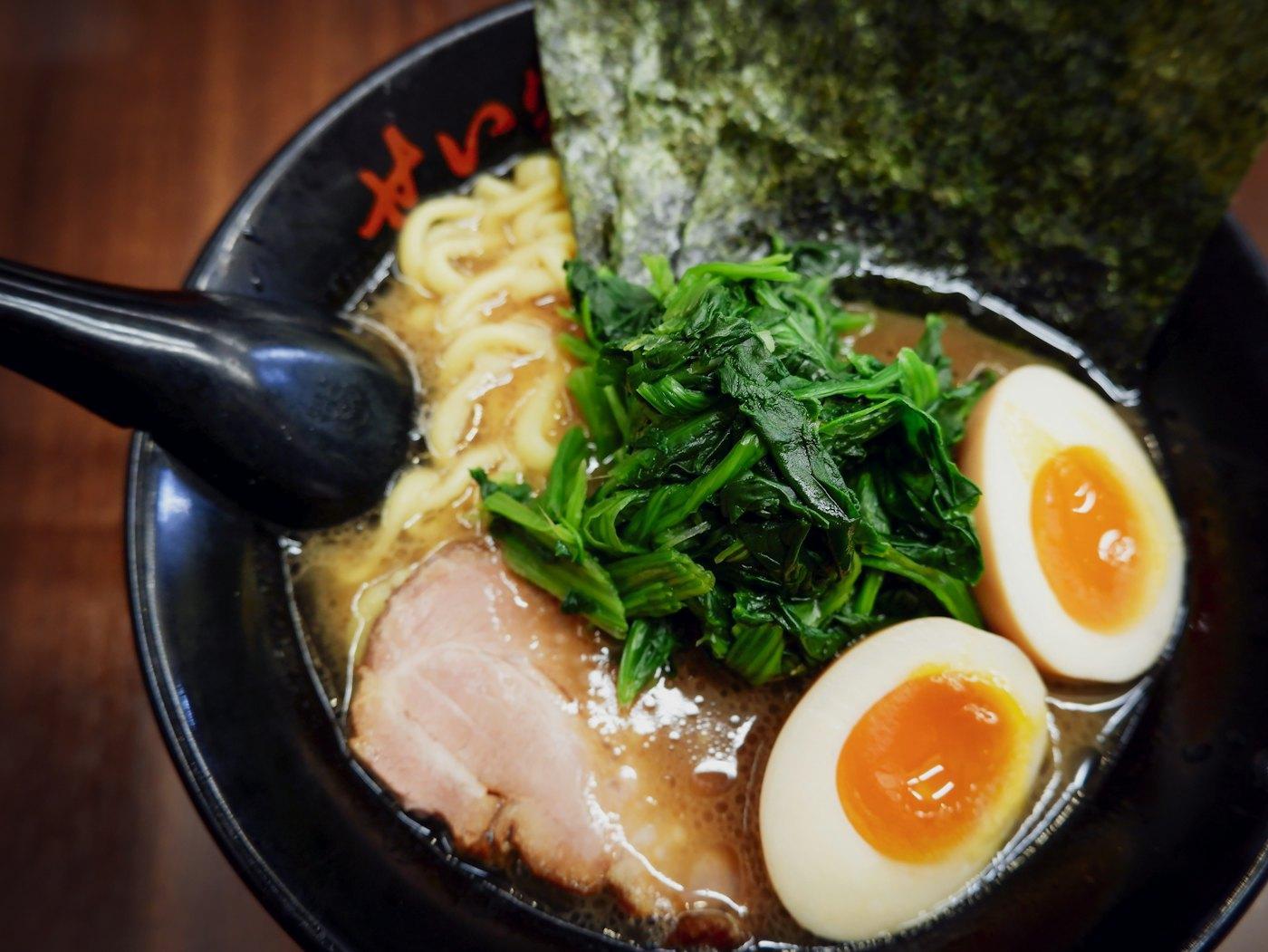
If Liyue leaves you craving Asian noodles and broth, take a look at Ichiraku Ramen from Naruto — it's a great example of how fan food is built on a real Japanese recipe.
Inazuma: Edo-era Japan on a plate
Inazuma is the most Japanese region in the game, and the cuisine follows suit: rice, seafood, noodles, pickles. Many dishes are direct references to authentic Japanese food.
Sticky Honey Roast, rice with eel, tempura, onigiri, and a plate of dango are all real Japanese dishes or close analogues. The clearest examples:
- Dango — rice dumplings on a skewer. In game they appear in "three colors" (sanshoku dango), just like the festival dango sold at hanami celebrations.
- Rice with eel points to unagi-don — rice topped with glazed eel in a sweet-savory sauce, a classic of Japanese summer cooking.
- Tempura in Inazuma is literally tempura: seafood or vegetables in an airy batter, deep-fried.
Signature dishes here are often tied to characters — Kazuha and Yoimiya, for instance, have their own upgraded recipes. But underneath it all is recognizable Japanese home cooking that's easy to recreate: rice, soy sauce, mirin, sugar, and good fish.
What's real and what's invented in Genshin food
An important point for accuracy: most Teyvat dishes have real prototypes, but in the game they have fictional properties.
- Real — the recipes themselves: almond tofu, grilled fish, dango, tempura, risotto, and steamed buns all exist in our world and are made roughly the way they look in the game.
- Invented — the buffs. No food in reality restores HP or boosts attack. That's a game mechanic, not a culinary fact. A balanced meal really does give energy and warmth, but that's ordinary physiology, with no green numbers floating overhead.
- Stylized — the names and presentation. "True Barbecue" or "Survival Grilled Fish" are in-game labels for quality tiers (normal / delicious / suspicious), not separate culinary categories.
So when you cook "food from Genshin," you're really cooking the classics of Chinese, Japanese, and European cuisine — just with a pleasant gaming context.
How to host a Teyvat-style dinner
If you want to build a themed table by region, here's a workable plan:
- Mondstadt — almond tofu for dessert, mushroom risotto or fried fish for the main, honey tea.
- Liyue — grilled fish in spicy broth, steamed buns, lotus or fruit jelly.
- Inazuma — onigiri and dango, unagi-don, vegetable or shrimp tempura, green tea.
The core principle of Teyvat cuisine is honesty to the prototype. You don't need to invent anything: just take a genuine regional recipe and serve it with a wink to the game.
Conclusion
Genshin Impact food is a great example of how a game can become a doorway into real gastronomy. Behind the "magical" almond tofu stands a classic Asian milk pudding; behind grilled fish, Sichuan kǎo yú; and behind Inazuma's noodles and dango, Japanese home cooking. The buffs stay in the game, but the flavor is entirely real.
Start with one dish: make almond tofu or grilled fish, get the Asian basics down, and after that any "food from Teyvat" will come together on its own.