Disney and Pixar animators have a special talent: they draw food so well that the audience's stomach starts to rumble. The steam rising off a plate, a golden crust, a melting scoop of ice cream — sometimes a dish on screen is just as memorable as the characters. And the best part is that many of these dishes are completely real, with their own history, homeland and a tried-and-true recipe.
In this roundup we walk through the most mouth-watering scenes from both studios: from a French vegetable stew in a Pixar classic to New Orleans doughnuts in a Disney fairy tale. Some of these dishes have existed in real cuisine for centuries, while others were invented by screenwriters — and in those cases we'll honestly explain what the movie actually shows and how fans recreate it.
Ready for a culinary marathon through the animated universe? Then tie on your apron and let's get cooking.
Ratatouille: the vegetable stew that became a Pixar star
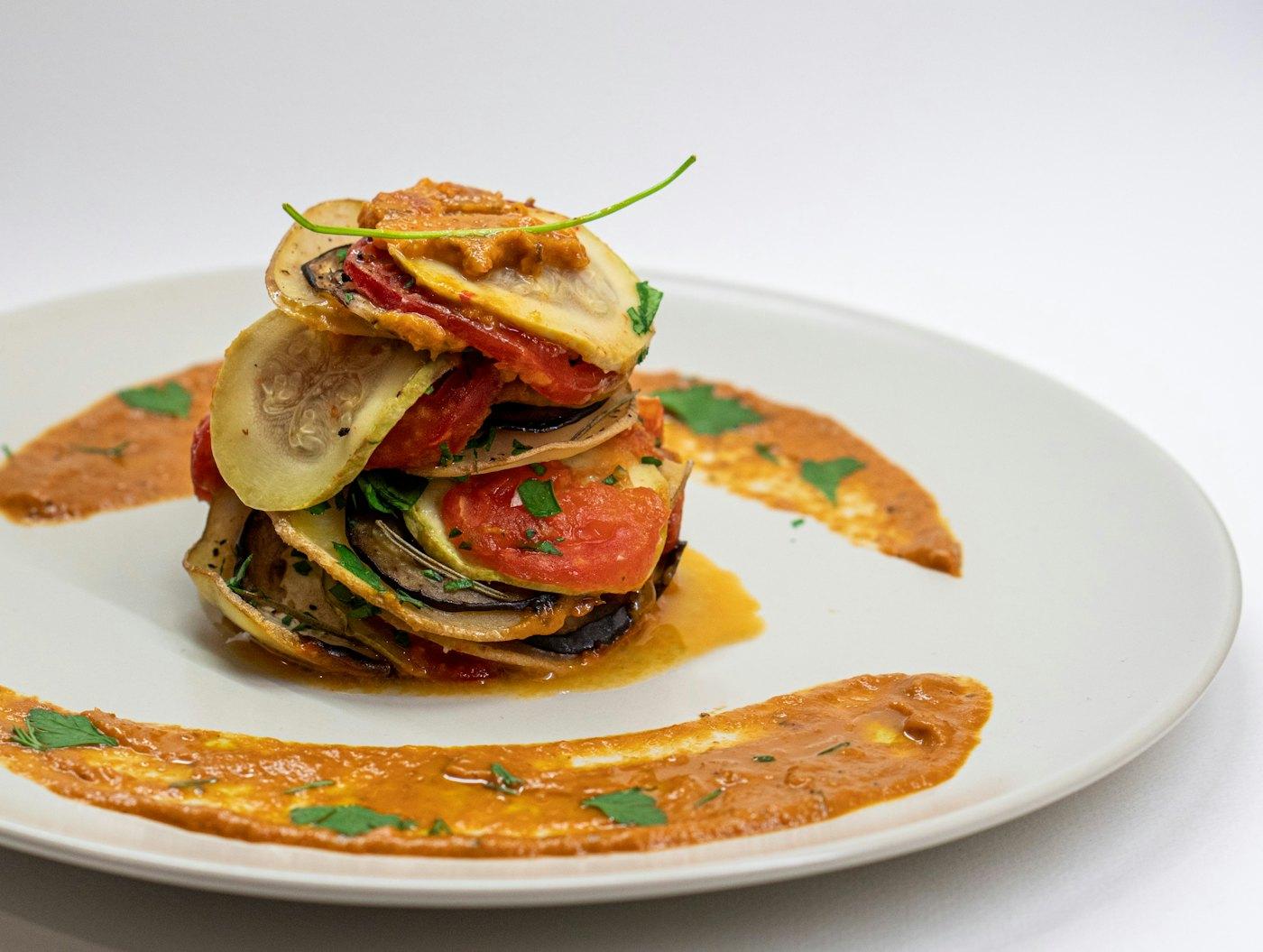
The movie Ratatouille (2007) turned a humble Provencal dish into a worldwide icon. In the story, the gourmet rat Remy cooks ratatouille for the stern critic Anton Ego — and a single spoonful sends him straight back to his childhood. That memory scene became a symbol of just how powerfully food can move us.
Here's a fun fact: the elegant dish of neatly arranged vegetable slices that Remy serves isn't classic ratatouille at all, but a fancier version called confit byaldi. It was created specifically for the film by chef Thomas Keller, who consulted for Pixar. Traditional ratatouille, by contrast, is a stew of roughly chopped vegetables simmered together.
What goes into real ratatouille
Classic Provencal ratatouille is built from simple summer vegetables:
- eggplant and zucchini;
- sweet bell peppers;
- ripe tomatoes;
- onion and garlic;
- olive oil;
- Provencal herbs such as thyme, basil and bay leaf.
You can stew the vegetables together in one pot, or — as in the movie version — slice them into thin rounds, fan them out over a tomato base and bake. The result is beautiful and bursting with summer color. If you want to recreate that exact "movie" look, take a look at our recipe for Ratatouille like in the movie — it's the sliced, fanned-out version with step-by-step layering.
Ratatouille is also wonderfully forgiving: exact proportions aren't critical, and the flavor only improves if you let the dish rest until the next day.
Tiana's beignets from The Princess and the Frog
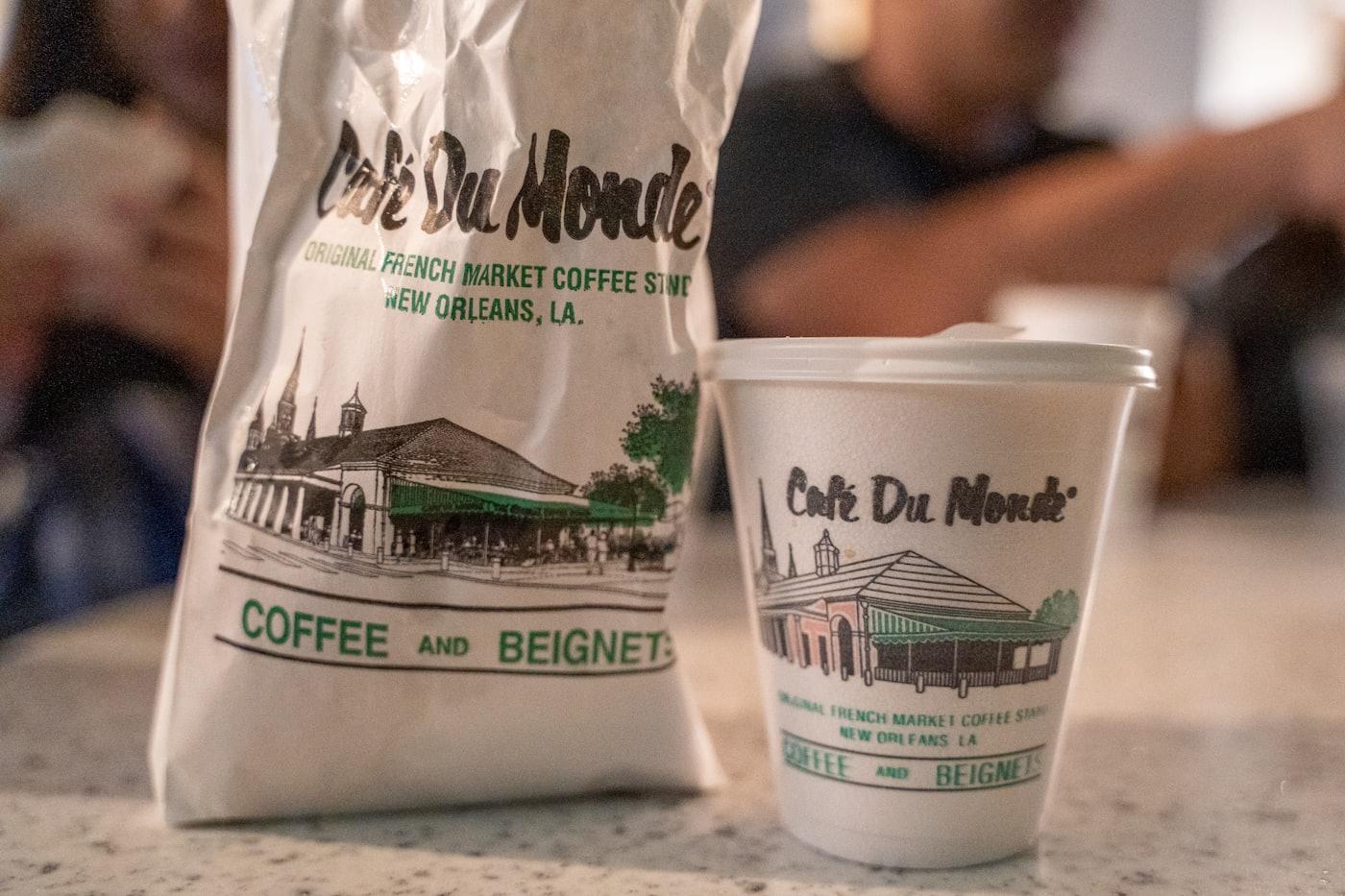
In The Princess and the Frog (2009), the hardworking Tiana dreams of opening her own restaurant in New Orleans, and her signature dish is a batch of pillowy beignets. These square, hole-less doughnuts, generously dusted with powdered sugar, run through the entire plot as a symbol of her dream and her heritage.
And this is absolutely real food. Beignets (from the French word beignet, meaning "fried dough") are a calling card of New Orleans and a legacy of French and Cajun culinary traditions. The most famous place to eat them is Cafe du Monde in the French Quarter market, in operation since 1862, where beignets are traditionally served with a cup of chicory coffee.
How beignets differ from regular doughnuts
The defining traits of true beignets are:
- a yeasted dough that rises and turns airy;
- a square shape with no hole in the middle;
- deep frying until they form a golden pillow;
- a mandatory mountain of powdered sugar on top.
Inside, beignets are almost hollow — steam puffs up the dough and creates a tender air pocket. They're meant to be eaten hot, before the sugar melts. If you want to bring a slice of New Orleans into your kitchen, we have a detailed recipe for Tiana's Beignets from The Princess and the Frog with the proper yeasted dough.
It's worth noting that the filmmakers paid special attention to food: beignets, gumbo and other New Orleans dishes aren't just background here — they're part of the cultural portrait of the city.
Lady and the Tramp: the most romantic dinner in animation
Ask anyone for the most famous food scene in animation, and many will name the spaghetti from Lady and the Tramp (1955). Two dogs share dinner in the back alley of an Italian restaurant, splitting a single plate of spaghetti and meatballs — and accidentally meet lips over a shared noodle, all to the sound of an accordion and the song Bella Notte. The scene has long since become a cultural shorthand for romance.
The dish itself — spaghetti and meatballs — is real, but with an amusing twist. In its current form it's less Italian than Italian-American. In Italy, pasta and meatballs are usually served separately; the pairing we know took shape among Italian immigrants in the United States in the early 20th century, when meat became more affordable.
What to cook "inspired by" the scene
To capture the spirit of that dinner, you don't need much:
- spaghetti cooked al dente;
- a tomato (marinara) sauce with garlic and basil;
- soft, juicy meatballs made from beef or a meat blend;
- a little parmesan grated on top.
The main secret to the "movie" effect is long, unbroken spaghetti and a generous amount of sauce. The candle and music are optional. It's a great dish for a family dinner and doesn't call for any rare ingredients.
The grey stuff from Frozen: the mystery of a single lyric
Now we get to the most interesting part — an example of food that the audience essentially filled in themselves. In the song For the First Time in Forever from Frozen (2013), Anna, daydreaming about the ball, sings about the "grey stuff" that will be on the table. Fans usually hear it as a reference, but strictly within Frozen's own canon the dish is never really shown on screen — it's only mentioned in the lyrics.
There is, however, a direct family connection to another Disney hit. The grey stuff is a dish from Beauty and the Beast (1991): in the dazzling number Be Our Guest, the candelabra Lumiere coaxes Belle with the line, "Try the grey stuff, it's delicious!" So the reference in Frozen is essentially a culinary wink from one Disney fairy tale to another.
How fans cook the grey stuff
Since there's no exact recipe in the canon, fans — and Disney's own parks — came up with their own version. Disney theme parks actually serve a dessert called The Grey Stuff, which is typically:
- a soft mousse based on vanilla or chocolate pudding;
- whipped cream for lightness;
- crushed cookies (often Oreo) for the grey color and flavor;
- a decorative swirl topped with edible pearls.
It's all made without baking — the ingredients are simply whipped together and chilled. The result is a light pudding dessert that really does take on a greyish-cream color. So a fictional "line from a song" turned into a genuinely edible treat — a perfect example of how fans keep building out the culinary universe of these movies.
Why food in animation is so captivating
There's a simple reason these scenes stick in our memory. Animators draw food to be deliberately perfect: the gleam of a sauce, the steam, the texture of a crust — everything is pushed to a level that's hard to achieve in real life. It's sometimes called animation's food porn, and studios like Pixar hire chef consultants to make the dishes look believable.
But there's a deeper layer too: food in film is almost always about feelings. Ratatouille is about memory and making peace with the past. Beignets are about dreams and persistence. Spaghetti is about love. The grey stuff is about hospitality and generosity. The dish becomes a short, instantly understandable metaphor for an emotion.
And perhaps the best way to extend the joy of a favorite movie is to cook a piece of its world yourself. Start with French ratatouille or New Orleans Tiana's beignets, and then it's up to you to decide which scene to bring to life in your own kitchen. Happy watching — and bon appetit.