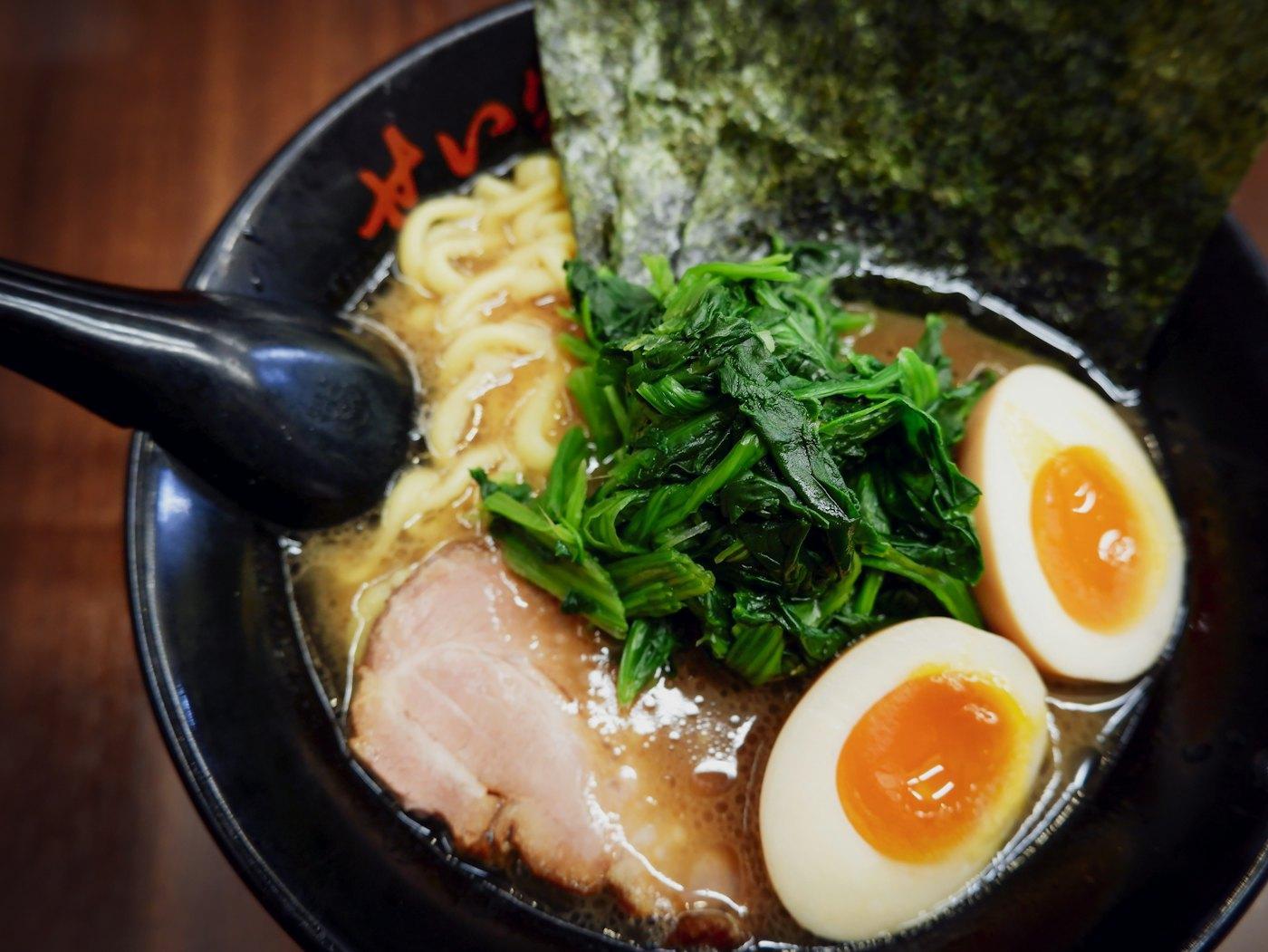
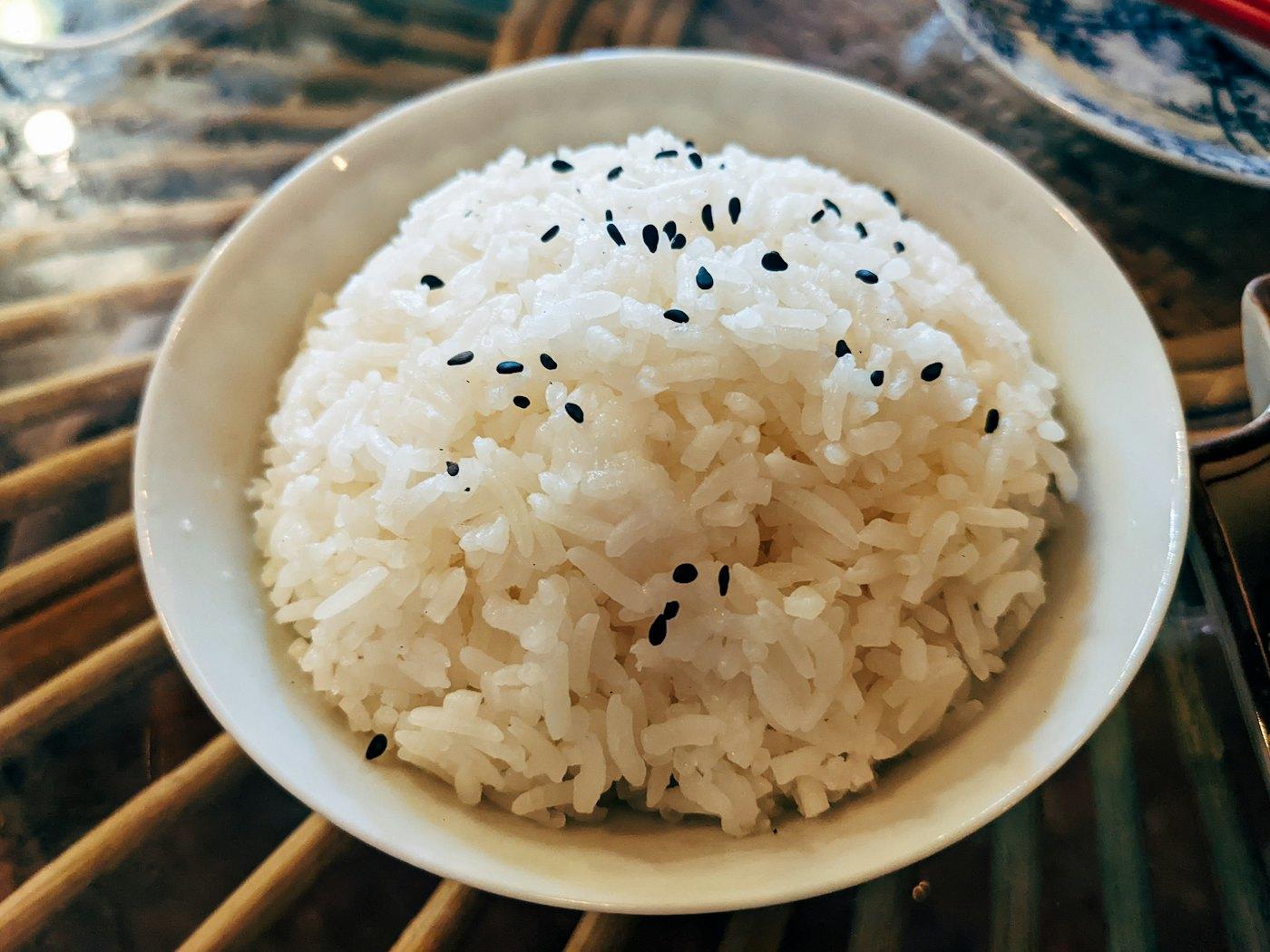
If you have ever watched anime, you have probably felt that strange pang: a character sits down, snaps apart their chopsticks, lifts a bowl of steaming broth to their lips — and suddenly you are starving. Japanese animation draws food in a way that makes your mouth water: steam curls up in neat ribbons, an egg yolk spills across rice, noodles glisten with broth. This is no accident. In Japanese culture, food has long been its own language, one used to talk about home, friendship, and care.
The good news is that almost all of these dishes are completely real. Behind the scenes are genuine Japanese recipes with centuries of history, and most of them can be made at home without rare ingredients or special equipment. In this article we have gathered 15 dishes that pop up most often in beloved series, with a short note on each: what it is, where it came from, and which anime to look for it in.
Grab a napkin — this is going to get tasty. And if you feel like doing more than just watching, we will point you to where to start in your own kitchen at the end.
The big stars: noodles, rice, and a crispy crust
These dishes appear in anime more than any others, and they are the perfect entry point into Japanese cuisine.
1. Ramen
The undisputed king of anime food. Ramen is wheat noodles in a rich broth simmered for hours from bones, kombu seaweed, dried bonito, and mushrooms. On top go slices of chashu pork, a marinated ajitama egg, green onion, sprouts, and a piece of nori. Contrary to popular belief, ramen is not originally Japanese but an adapted Chinese dish that became Japan's beloved comfort food in the twentieth century. The most famous ramen in anime history is served at the Ichiraku stand in Naruto — the hero's favorite meal. Want to recreate that exact bowl? We have a detailed recipe: Ichiraku Ramen from Naruto.
2. Onigiri
Triangular rice balls wrapped in a strip of nori, these are the most homey and heartfelt snack in all of anime. Inside hides a filling: salty umeboshi plum, salmon, or tuna with mayonnaise. Onigiri are packed for school, carried to picnics, and given as a token of care. Spirited Away has a famous scene where Chihiro bursts into tears as she takes her first bite of an onigiri Haku gives her, and you can almost feel how simple food restores her strength. We turned that moment into a recipe: Onigiri from Spirited Away.
3. Katsudon
A golden tonkatsu pork cutlet laid over a bowl of rice and bound together with egg and onion simmered in a sweet-savory dashi sauce. The word katsu (from the English cutlet) sounds like the verb katsu, meaning to win, so in Japan katsudon is traditionally eaten before an exam or a big event for good luck. In anime the dish often stands for comfort and support — think of Yuri on Ice, where katsudon is the hero's family specialty and a source of his strength.
4. Omurice
An omelet hiding a bed of fried chicken rice flavored with ketchup. A wave of tomato sauce is usually drawn across the top, and at omurice cafes the staff pipe hearts and messages in sauce. It belongs to yoshoku — the Japanese take on Western cooking that emerged in the late nineteenth century. In anime, omurice is a symbol of coziness and home-cooked warmth, often made by a character who wants to make someone happy.
Street food: a festival on a stick
The Japanese matsuri festivals in anime are unimaginable without their rows of food stalls. Here is what they sell.
- Takoyaki — balls of batter with a piece of octopus inside, fried in a special pan with half-round molds. They are drizzled with takoyaki sauce and mayonnaise and dusted with bonito flakes that seem to dance in the heat. Takoyaki was born in Osaka, and in anime set there (festival scenes especially) it is practically mandatory.
- Yakitori — pieces of chicken on bamboo skewers, grilled over coals and brushed with sweet tare sauce or simply salted. The classic snack of izakaya, Japan's casual pubs.
- Taiyaki — more on this below; it deserves its own paragraph.
- Kakigori — shaved ice with syrup, the savior of every sweltering summer episode.
- Yakisoba — fried wheat noodles with vegetables and sauce, sizzling on a giant teppan griddle.
5. Taiyaki
A fish-shaped cake baked in a cast-iron mold from batter and filled with sweet red bean paste called anko. Sometimes the filling is custard, chocolate, or sweet potato. The shape of the tai fish was chosen for a reason: in Japan it is considered a symbol of luck. Taiyaki is adored by characters across countless anime, from Sailor Moon to K-On!.
6. Dango
Round dumplings made from rice flour, skewered three or four to a stick. The most recognizable kind is the tricolor hanami dango (pink, white, green) eaten while admiring cherry blossoms. Mitarashi dango, meanwhile, is glazed with a glossy sweet-savory sauce of soy and sugar. The song Dango Daikazoku from the anime Clannad made these dumplings iconic among fans.
The home table: bento and beyond
7. Bento
Not a single dish but a whole boxed meal: compartments of rice, meat or fish, a tamagoyaki omelet, vegetables, and pickles. A special genre is kyaraben (character bento), where food is arranged into the faces of animals and characters. In anime, making a bento for someone you love is a powerful romantic gesture — anyone who gets up at five in the morning to assemble a pretty box clearly cares.
8. Tamagoyaki
A Japanese omelet rolled into a dense, many-layered log in a rectangular pan. It can be slightly sweet or flavored with dashi. A frequent resident of bento boxes and breakfasts, and a true test for any beginner cook in culinary anime like Food Wars.
9. Miso soup
Humble but everywhere: dashi broth with dissolved miso paste, cubes of tofu, wakame seaweed, and green onion. In anime, miso soup is the backdrop of the family breakfast, the sound that opens a character's morning.
10. Japanese curry
Thick, mild, and slightly sweet, with carrots, potatoes, and meat served alongside rice. It has wandered far from its Indian ancestor: curry came to Japan via the British, and the local version grew into a national dish of its own. In anime, a plate of curry is devoured in school cafeterias and at home on weekends.
Sweet and dressed up
Desserts in anime are drawn with special tenderness; they often anchor scenes about friendship and dates.
- Pocky — thin, crunchy sticks coated in chocolate. An instantly recognizable snack and the excuse for many a sweet scene.
- Mochi — soft cakes of pounded rice; the center may hold anko or ice cream.
- Parfait — a tall glass layered with ice cream, fruit, cream, and cookies; a fixture of cafe and date episodes.
- Japanese crepe — a thin pancake folded into a cone and stuffed with cream, fruit, and ice cream; a street hit of the Harajuku district.
- Melonpan — a sweet bun with a crisp, crosshatched sugar crust that resembles a melon (though there is no melon inside). A beloved snack of schoolkids in countless series.
These five sweets round out our list of 15 dishes and show just how varied the delicious side of anime can be.
Why anime food looks so good
The secret lies not only in the animators' talent but in the culture. Japan has the phrase itadakimasu — a thanks for the meal said before eating — and gochisosama, said after. A meal here is not background but a small ritual, so directors give it real attention: close-ups of steam, the snap of chopsticks, a character's satisfied mmm. Food on screen tells you more about people than dialogue ever could — who cooks what, for whom, and with how much care.
That is exactly why anime dishes make you want to try them: behind each one is not just a recipe but a little story. And the good news is that most of them are entirely real and within reach.
Where to start in your own kitchen
If this list has fired you up to cook something, begin with the most iconic dish of all. Make Ichiraku Ramen from Naruto — it drops you straight into the anime mood while teaching the basics of Japanese cooking: simmering broth, marinating an egg, building a bowl. And for a cozy snack, shape some Onigiri from Spirited Away: all you need is rice, nori, and your favorite filling.
Most of all, do not be afraid to experiment. Japanese cuisine is kind to beginners: it is nearly impossible to ruin an onigiri, and your first imperfect tamagoyaki will still taste great. Put on your favorite series, tie on an apron, and let the screen become your cookbook.