The menu in any modern coffee shop reads like a list of spells: espresso, doppio, ristretto, latte, flat white, raf… It is easy to get lost and just order "something with milk" without ever understanding how a cappuccino differs from a latte. But the difference is real, and it is quite logical — almost all of these drinks are built on a single foundation: a shot of espresso. What changes is the amount of milk, the density of the foam, and the way it is served.
Espresso as a brewing method was born in Italy in the early 20th century: hot water is forced under pressure through a compressed puck of ground coffee. From this small but intense shot grew an entire family of drinks that later spread across the world and picked up local variations — from the Australian flat white to the Russian raf.
In this article we will sort the main types of coffee onto their shelves: what is what, the ratios of milk to foam, and the flavor you should expect. And at the end we will bring the conversation to its logical finale — a dessert that simply would not exist without espresso.
Espresso — the foundation of everything
Espresso (Italian for "expressed," "quick") is 25–35 ml of strong coffee brewed under roughly 9 bars of pressure over 25–30 seconds. On top there should be a dense reddish-brown layer called crema, formed by an emulsion of oils and carbon dioxide. It is the crema that distinguishes a proper espresso from merely strong coffee.
Espresso has close relatives that are also served without milk:
- Ristretto — a "restricted" espresso: less water (around 15–20 ml), so the flavor is more concentrated and less bitter.
- Lungo — the opposite, a longer extraction with more water, a more watery taste with a touch of bitterness.
- Doppio — a double shot of espresso, two shots in one cup.
- Americano — espresso diluted with hot water to the volume of a regular cup. Legend has it the recipe appeared in Italy during World War II: American soldiers found the local espresso too strong and asked for hot water to be added.
The key thing to understand is this: espresso is not a "tiny strong coffee for a quick buzz," but a building block. From here we simply add milk to it in different forms.
Milk math: cappuccino, latte, flat white
This is where it gets both interesting and confusing. All three drinks are espresso plus milk, but in different proportions and with a different foam texture.
When a barista steams milk, two substances form: liquid hot milk at the bottom and microfoam (frothed milk with tiny bubbles) on top. The ratio of espresso, milk, and foam is what defines the drink.
Cappuccino
A classic Italian cappuccino is roughly equal thirds: one third espresso, one third hot milk, one third dense foam. The volume is small, about 150–180 ml. The foam is thick and the coffee flavor is pronounced. In Italy cappuccino is traditionally drunk only in the morning, before noon — milk is thought to sit heavily on the stomach after a full meal.
Latte
A latte (from the Italian caffe latte — "coffee with milk") is milkier and softer. Here a single shot of espresso meets far more milk (roughly 1 part coffee to 3 parts milk), with only a thin layer of foam, about a centimeter. The volume is larger — 250–300 ml and up. The coffee flavor is delicate and the drink is very easy to sip. The latte is also the most common canvas for latte art.
Flat white
The flat white is a relatively young drink from Australia and New Zealand (the exact authorship is still debated). In essence it is a "concentrated latte": the same espresso (often a double ristretto), less milk than in a latte, and a very thin layer of velvety microfoam without a pronounced cap. The volume is small — around 150–160 ml. Thanks to the double espresso and the smaller amount of milk, the coffee flavor comes through more vividly than in a latte, while the texture stays smooth and dense.
To simplify: cappuccino is about foam, latte is about milk, flat white is about balance and strength.
Raf — the homegrown answer to milk drinks
The raf is almost the only coffee drink invented in Russia rather than imported from abroad. According to a popular account, the recipe appeared in one of the first Moscow coffee shops in the late 1990s: for a regular guest named Rafael the baristas mixed espresso with cream and sugar and steamed it all together. The guest loved it, his friends started asking for "the one like Raf's" — and the name stuck.
The main difference between a raf and a cappuccino or latte lies in the preparation. In milk drinks the milk is frothed separately and then added to the coffee. In a raf, the espresso, cream (usually around 10–11% fat) and sugar (often vanilla sugar) are steamed all together in a single pitcher. The result is a uniform, gentle, creamy drink with a light sweetness and an enveloping texture — no pronounced foam cap and no layers.
The raf has many variations: citrus (with orange zest), lavender, honey (made with honey instead of sugar), salted caramel. It is a very "dessert" coffee — practically the border between a drink and a sweet treat.
Cold brew and iced latte: cold coffee without the ice trickery
When it is hot outside, cold drinks come into play, and here too it is easy to get confused.
An iced latte or iced americano is the familiar hot drink that has simply been cooled and served over ice. The coffee itself is brewed the usual hot way.
Cold brew is a fundamentally different technology. Ground coffee is steeped in cold or room-temperature water for 12–24 hours and then filtered. No hot water and no pressure. Because of the low temperature, fewer acids and less bitterness make it into the drink, so cold brew turns out smooth, slightly sweet, with chocolate and berry notes. The concentrate is then diluted with water or milk or served over ice.
Do not confuse cold brew with iced coffee: iced coffee is usually ordinary hot coffee that has been quickly chilled, while cold brew is cold-steeped from the start. The difference shows up in the taste — cold brew is noticeably less acidic.
From coffee to dessert: espresso on a plate
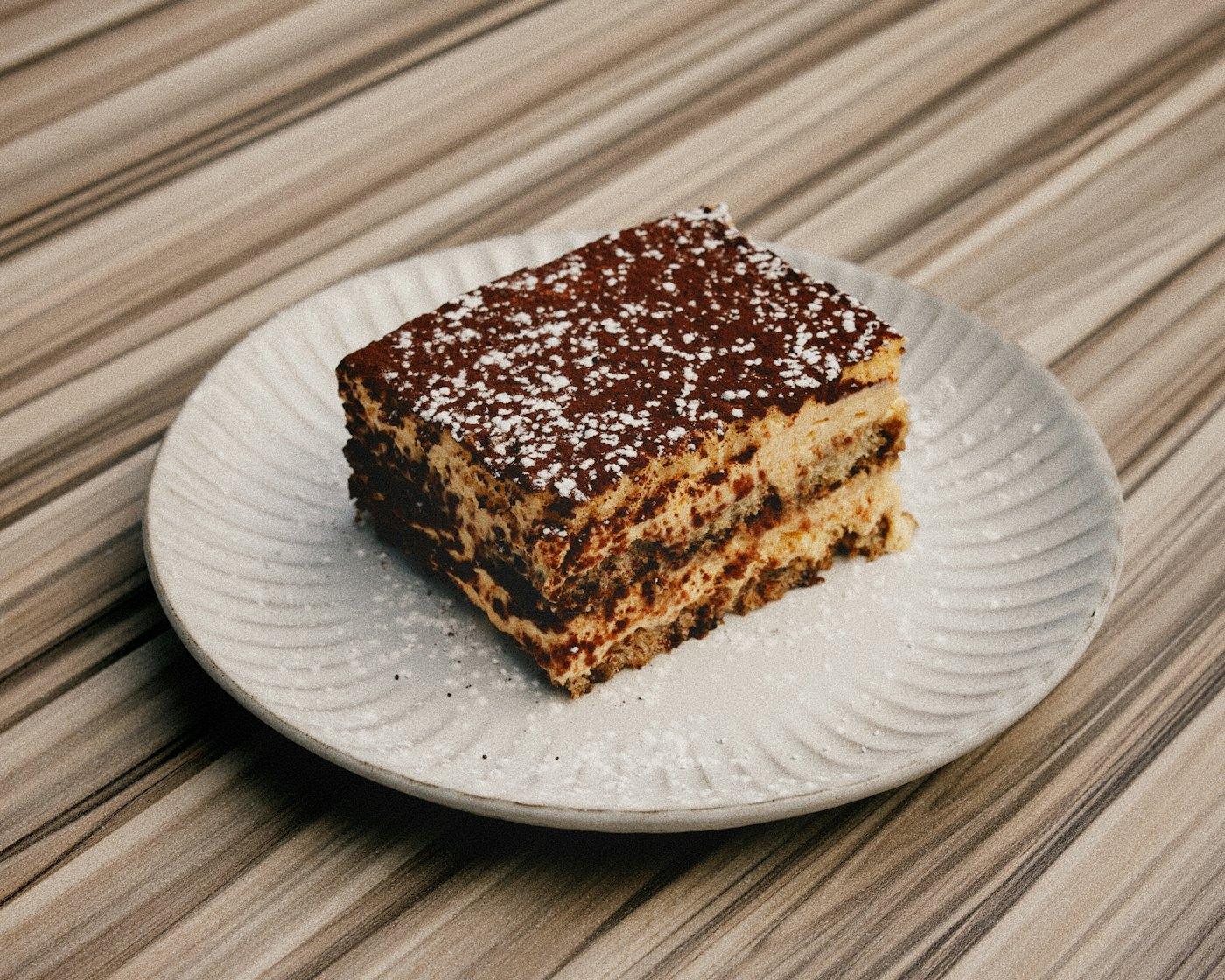
Coffee does not live only in a cup. The most famous example is an Italian dessert built around espresso. We are talking about Tiramisu: savoiardi ladyfingers are soaked in strong cold espresso (classically with a splash of liqueur), layered with a cream of mascarpone, eggs and sugar, and dusted with cocoa. The very name tiramisu translates as "pick me up," "cheer me up" — and the caffeine from the espresso works quite literally here.
The quality of the coffee directly affects the dessert: the richer and more aromatic the espresso, the deeper and more grown-up the tiramisu. Weak, diluted coffee makes the cream flat, which is why a concentrated espresso or very strong brewed coffee is used for the soak.
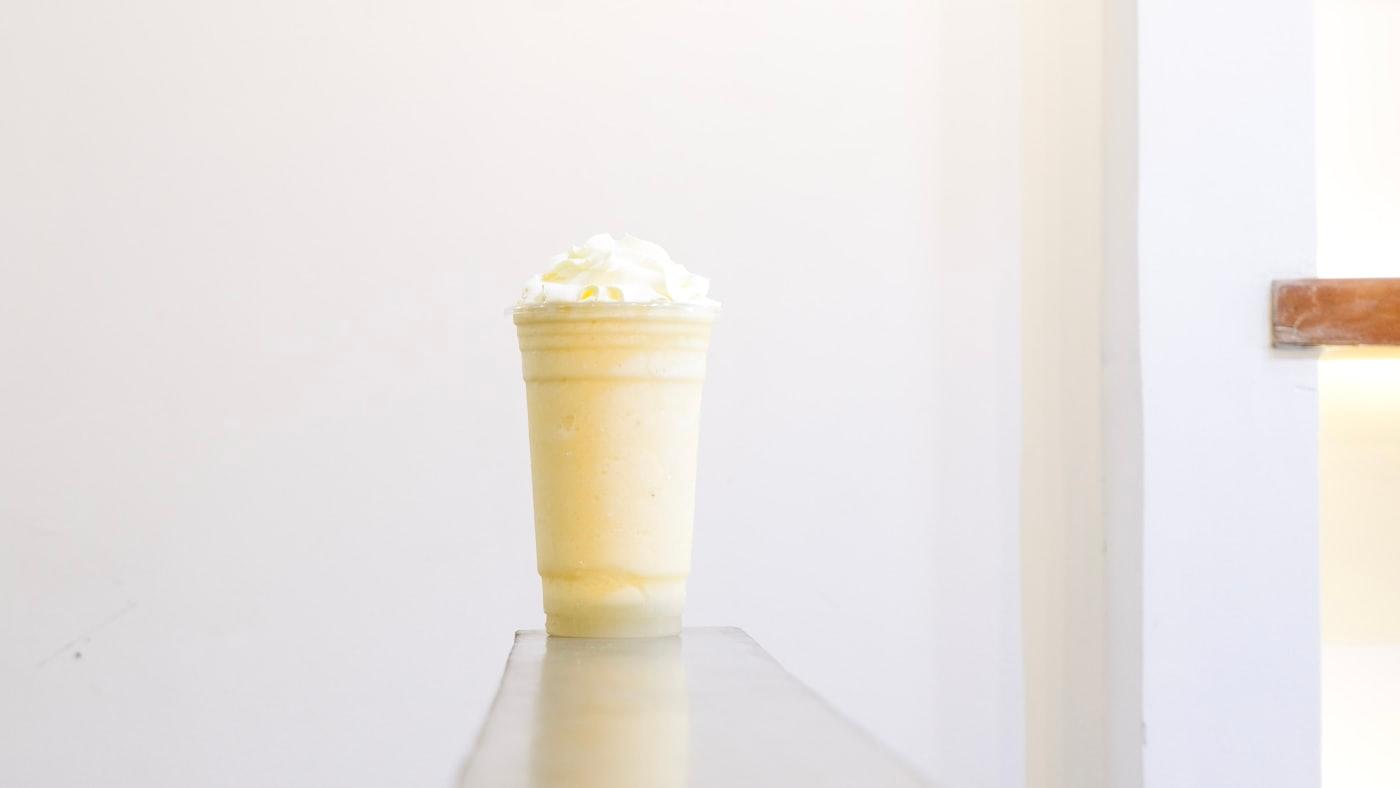
And if you fancy something completely different — not coffee-based but just as cozy and cinematic — take a look at the recipe for Butterbeer from Harry Potter. In J.K. Rowling's books, butterbeer is the favorite drink of Hogwarts students, served at the Three Broomsticks; in real-world kitchens it is adapted as a sweet, creamy drink based on butter, sugar and soda or milk, topped with whipped cream. That is a different story altogether, but the logic is the same as with coffee: one recognizable flavor, many variations.
How to choose "your" coffee
To sum it all up briefly:
- You love strength and pure coffee flavor — go for espresso, ristretto or a flat white.
- You want something soft and milky — a latte or an americano with milk.
- You need thick foam and balance — the classic cappuccino.
- You are in the mood for sweet and creamy — a raf.
- It is hot and you want a refreshment without the acidity — cold brew.
The main thing is to remember that nearly all of these drinks grew out of one small shot of espresso. Once you have mastered the base, it is easy to assemble any of them at home: just brew a good espresso and play with the amount of milk, foam and sweetness. And a spare shot of espresso can always go into a tiramisu — so the coffee will reach you not only in a cup, but on a dessert plate too.