Bread is humanity's oldest and most varied food. From a handful of identical ingredients (flour, water, salt, sometimes yeast) different peoples have created hundreds of distinct breads: fluffy and flat, sour and sweet, baked in wood-fired ovens and on scorching stone. You can read a country's history and climate in its bread as clearly as in its architecture.
Let's travel through the most famous breads of the world, work out how they differ, and see why in almost every culture bread is more than just food.
European bread: air and a crisp crust
The European tradition is built around wheat and leavened dough.
- Baguette — the symbol of France. Long, with a thin crisp crust and large holes inside. A true baguette contains only flour, water, salt and yeast, and its shape is fixed by law.
- Ciabatta — an Italian bread with very wet dough and big holes in the crumb. It appeared in the 1980s as an answer to the baguette.
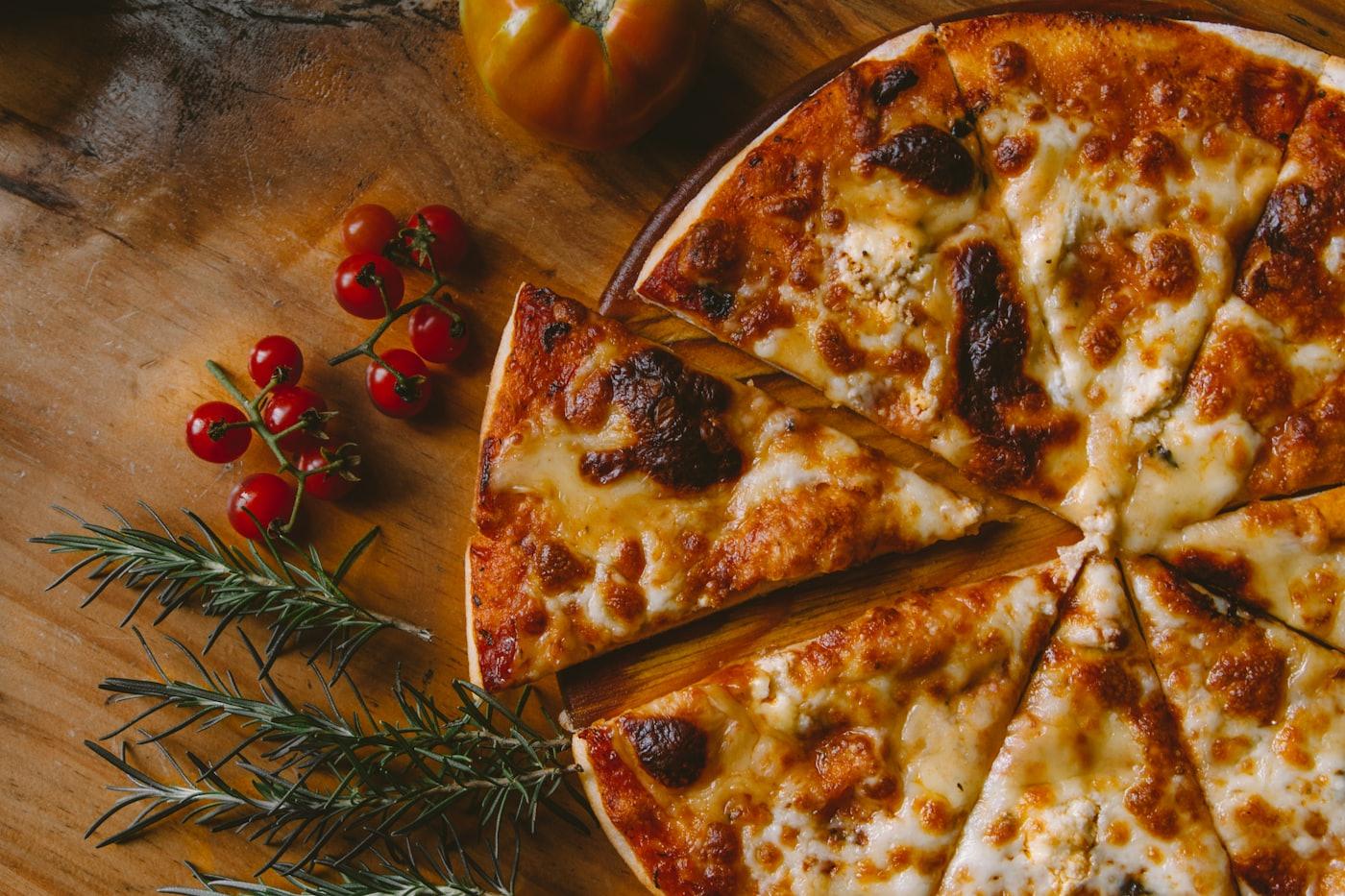
- Focaccia — a flat Italian bread with olive oil, salt and rosemary; a relative of pizza.
- Brioche — a French enriched dough of butter and eggs, tender and almost dessert-like.
Flatbread: the oldest form
Flatbread is older than leavened bread: it was baked before people learned to ferment dough.
- Lavash — a thin Armenian bread baked on the walls of a tandoor. Dried thin lavash can keep for weeks.
- Pita — a Middle Eastern bread that puffs up while baking and forms an inner pocket for fillings.
- Tortilla — a Mexican flatbread of corn or wheat flour, the base of tacos and burritos.
- Naan — an Indian tandoor bread, often made with yoghurt, soft and bubbly.
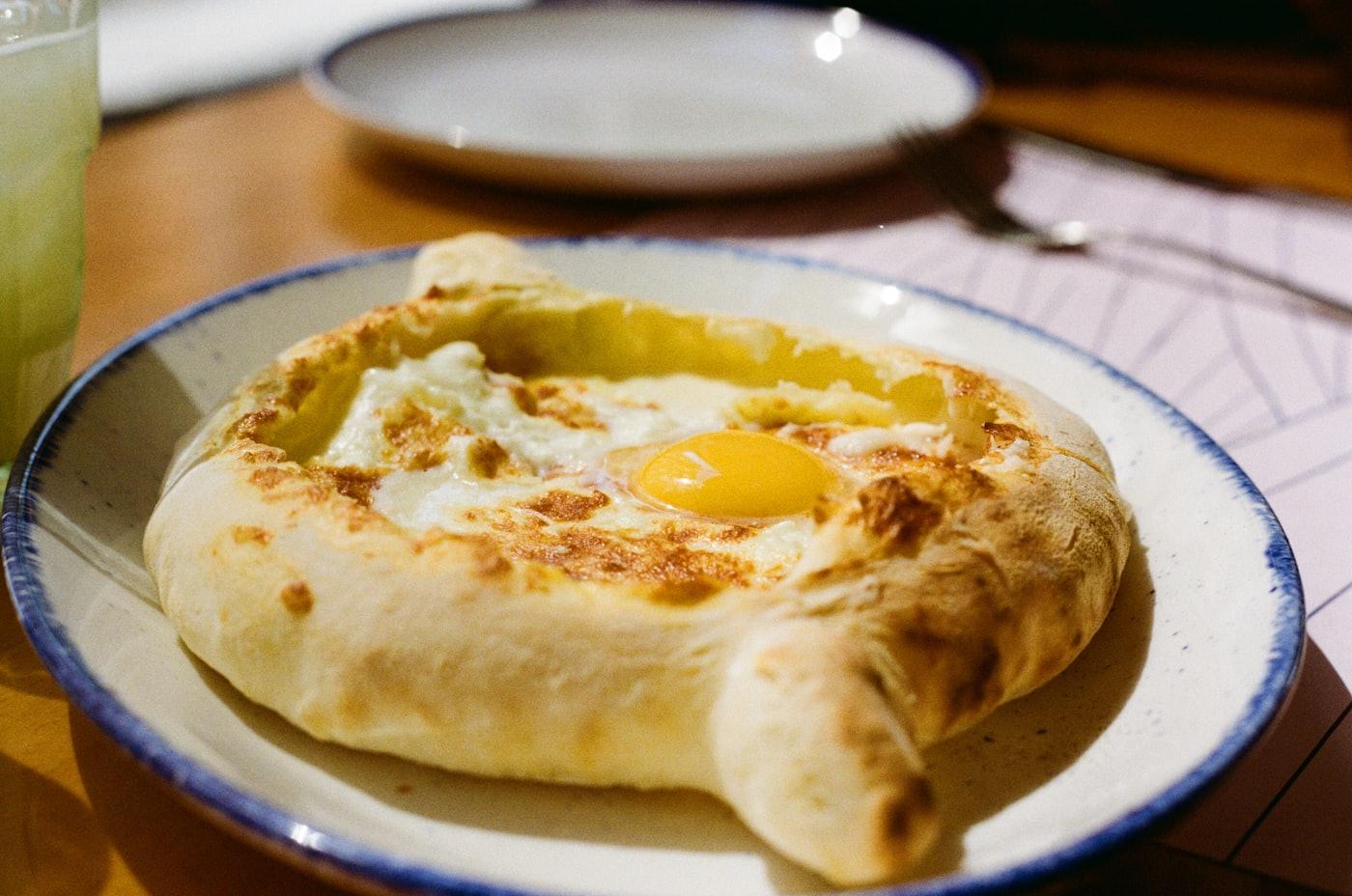
Flatbread is closely tied to the Georgian tradition: the same dough-and-filling logic underpins Adjarian khachapuri — a dough boat filled with cheese and egg.
Dark and rye breads
In northern and eastern Europe, where wheat grew poorly, rye reigned.
- Borodinsky — a Russian scalded rye bread with coriander and malt, dense, dark and slightly sweet. Its aroma is instantly recognisable.
- Pumpernickel — a German rye bread baked for a very long time, almost black.
- Scandinavian rye crispbreads — dry, dense, perfect with fish and cheese.
Rye bread is more sour and filling than wheat, keeps longer, and is considered healthier thanks to its high fibre content.
Sourdough: back to the roots
Before industrial yeast, all bread rose on a sourdough starter — a living culture of wild yeast and lactic-acid bacteria.
How sourdough differs from yeast bread:
- Flavour — a pleasant tang and a deeper aroma.
- Texture — large, uneven holes and a springy crumb.
- Keeping — sourdough stays fresh and mould-free longer.
- Digestion — the long fermentation partly breaks down gluten, making the bread easier to digest.
A starter is grown from flour and water over 5-7 days, then fed regularly. It takes patience, but it gives a bread you cannot buy in a shop.
The role of bread in culture
Almost everywhere bread has stepped beyond the kitchen to become a symbol.
- In the Slavic tradition a round loaf with salt welcomes guests and newlyweds.
- In France the baguette is part of a daily ritual: people fetch fresh bread every day.
- In the Middle East to break bread means to share a meal and make peace.
- In Mexico the tortilla replaces cutlery: you scoop and wrap food with it.
How to choose and store bread
A few practical everyday rules:
- Judge freshness by the crust: good bread sounds crisp and crackles.
- Eat baguette and ciabatta the day you buy them — they go stale by morning.
- Store rye and sourdough in a cloth or paper, not in plastic.
- Don't throw out stale bread — it makes croutons, rusks and breadcrumbs.
Bread is a small model of a whole cuisine: it shows what grows in a country, how people cook there and what they value at the table. Try baking at least one type that is new to you — and the world grows a little larger.