A good knife and a couple of confident movements transform cooking more than any trendy pan or expensive spice. When vegetables are cut evenly, they cook at the same rate, look tidy on the plate, and the whole dish simply tastes better. Professional chefs spend years refining their cuts not for the camera, but because the shape of each piece directly affects the flavor and texture of the finished dish.
The good news: you do not need culinary school to cook with more confidence at home. You just need the right grip, a handful of core techniques, and the habit of keeping your blade in good shape. In this guide we will cover how to hold a knife, what julienne, brunoise, chiffonade and dice actually mean, how to avoid cutting yourself, and how to care for your tools so they last for years.
Let us agree on one thing up front: the key to cutting is calm and rhythm, not speed. Speed will come on its own once your hands learn the motion. Start slow and careful.
How to Hold the Knife and the Food
Most beginners grab the knife by the handle with the whole palm, like a hammer. This is the single most common source of imprecise and unsafe cuts. The proper professional hold is called the pinch grip: your thumb and index finger pinch the blade just in front of the handle, while the remaining three fingers wrap the handle. The knife becomes an extension of your hand rather than a separate object you wave around.
The other hand matters just as much — it is your guide hand. Curl the fingertips of the hand holding the food inward, tucking them away, and rest your knuckles against the side of the blade. This is known as the claw grip. The blade slides along your knuckles while your fingertips stay safely hidden. Getting comfortable with this position is half the battle of safe cutting.
A few basic rules worth memorizing from day one:
- The board must not slip. Place a damp paper towel or a silicone mat underneath it.
- Cut with a smooth forward-and-down motion rather than pressing straight down. A sharp blade does the work for you.
- First create a flat face on the food (slice off one side) so it sits stable and does not roll.
- Take your time and keep stray fingers well away from the edge.
Core Cuts: Julienne, Brunoise, Chiffonade and Dice
Classic French cuisine gave us a clear naming system for the sizes and shapes of cuts. It is worth knowing not for the jargon, but because in any decent recipe the size of a piece is no accident: it determines cooking time and texture.
Julienne (matchsticks)
Julienne is a thin, long matchstick, usually around 3-5 mm thick and 4-5 cm long. Classic candidates are carrot, zucchini, celery and bell pepper. You first slice the vegetable into planks of the right thickness, stack them, and shred them into sticks. Julienne cooks quickly and looks elegant in salads, fillings and Asian stir-fries.
Brunoise (fine dice)
Brunoise is a very small dice, roughly 1-3 mm on each side. It is essentially a julienne turned 90 degrees and cut crosswise into tiny cubes. Brunoise is used when vegetables should melt into the flavor and texture of a dish: in sauces, dressings, and the base of soups (where its close relative is mirepoix, made of carrot, onion and celery).
Chiffonade (thin ribbons of greens)
Chiffonade is a technique for leafy greens and herbs: basil, mint, spinach, sorrel. Stack several leaves on top of each other, roll them into a tight cigar, and slice crosswise into thin ribbons. The result is delicate strips used to garnish dishes and add fresh aroma right at the end of cooking.
Dice
The ordinary dice is the most common cut in a home kitchen. We distinguish small (about 5 mm), medium (about 1 cm) and large (about 2 cm) dice. The logic is always the same: make a flat face on the food, cut it into planks, then into sticks, then crosswise into cubes. An even dice is the secret to evenly cooked onion, potato or meat.
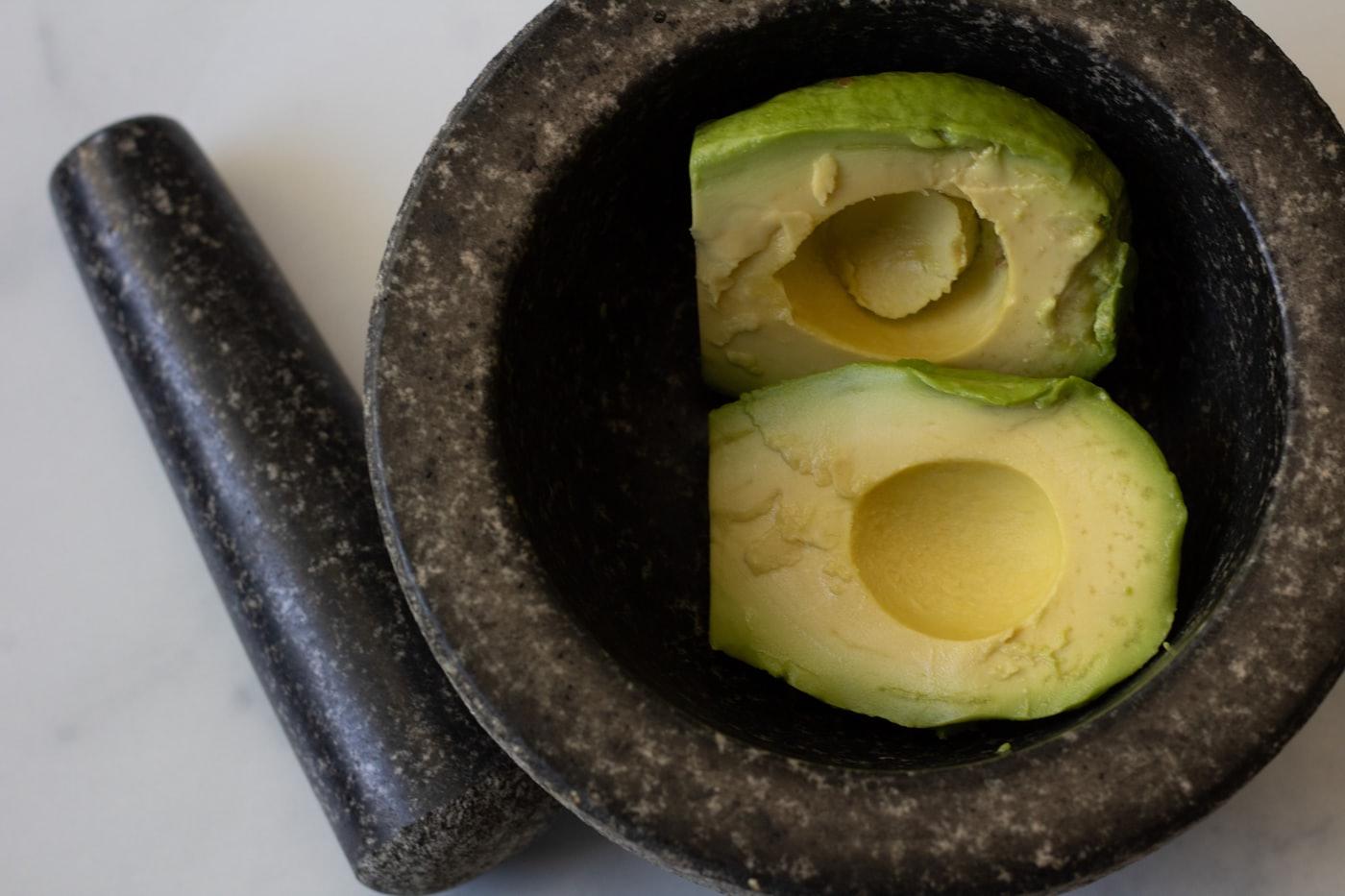
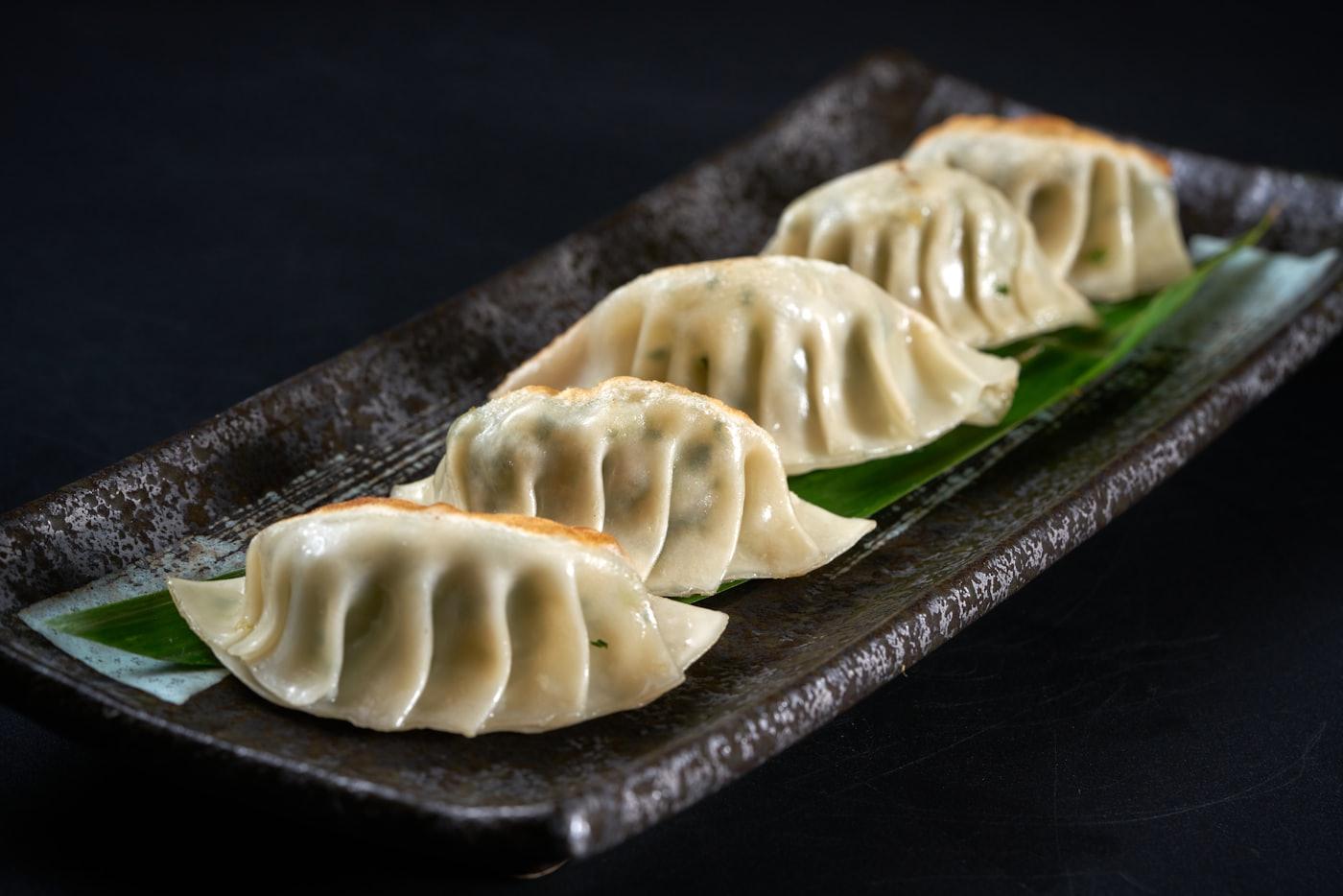
By the way, it is precisely careful fine dicing that makes a truly great Guacamole: finely chopped onion, cilantro, chili and tomato distribute evenly, so every scoop carries a balance of flavors. And finely shredded cabbage and thinly sliced mushrooms form the base of a juicy filling for Gyoza (Japanese Dumplings), where the size of each piece decides whether the delicate wrapper tears.
Which Knife Should a Beginner Choose
There is no need to buy a fifteen-knife set. For a home kitchen, three are enough:
- Chef's knife, blade 18-20 cm. The all-purpose tool for 90% of tasks: slicing vegetables, herbs, meat, and shredding.
- Paring knife, 8-10 cm. For delicate work: peeling, removing stems, cutting small items.
- Serrated knife for bread and tomatoes with delicate skin.
If your budget is tight, invest in one good chef's knife. What matters is not the price but how comfortable it feels in your hand and how well it holds an edge. A knife that is too heavy or too light tires your hand quickly.
Safety: How Not to Cut Yourself
The kitchen paradox: a dull knife is more dangerous than a sharp one. A dull blade slips off the surface of the food, and that is exactly when most cuts happen. A sharp knife enters the food predictably and needs less force.
The main safety rules:
- Keep the blade sharp and use the claw grip with your guide hand.
- Never try to catch a falling knife — step back and let it drop.
- Do not leave a knife submerged in a sink full of water where you cannot see it.
- Cut only on a stable board, never holding the food in midair.
- Carry a knife with the blade pointing down and held against your thigh, without waving it about.
If you are tired or rushing, take a break. Most cuts happen amid fatigue and haste, when attention drifts.
Caring for Your Knife
A good knife, properly cared for, lasts for decades. Here is what matters:
Washing. Wash the knife by hand right after use, with warm water and mild soap, then dry it thoroughly. The dishwasher is a knife's enemy: harsh detergents and knocks against other dishes ruin both the blade and the handle.
Storage. Do not toss knives loose into a drawer — the blades dull and chip against one another. Use a magnetic strip, a knife block, or protective blade guards.
Honing and sharpening. These are two different processes. A honing steel does not sharpen but realigns the edge — straightening microscopic bends in the blade — and you should do it often, literally every few uses. True sharpening on a stone or by a professional is needed less frequently, when the knife has genuinely gone dull. Prefer a wooden board over glass or stone: hard surfaces quickly destroy your edge.
Conclusion
Cutting is a foundational skill that pays off in every kitchen. Start with the right grip and the claw, master the dice and the julienne, keep your knife sharp and clean — and cooking becomes faster, safer and more enjoyable.
The best way to lock in technique is to practice on real recipes. Try finely chopping the ingredients for Guacamole or practicing an even shred on the filling for Gyoza (Japanese Dumplings). Your hands will learn the motion faster than you expect, and your dishes will look noticeably better.