A spice rack can intimidate a beginner as much as a menu in an unfamiliar restaurant: dozens of jars, strange names, and no idea what goes with what. In reality, though, most culinary magic rests on roughly a dozen key players. Master those, and you can cook dishes from thirty-odd cuisines without buying anything exotic.
In this guide we will sort out how spices differ from seasonings and herbs, which starter set is worth keeping at home, how to extend an aroma's life, and how to assemble regional blends from basic components. No mysticism — just practice tested by generations of cooks.
The main idea to remember from the start: spices are not a way to "mask" food, but a tool that highlights the flavor of your ingredients and ties a dish together. A good pinch at the right moment matters more than ten jars sitting unused.
Spices, seasonings, herbs: what's the difference
These words are often used interchangeably, but there is a clear line between them.
- Spices are dried parts of plants with a strong aroma: seeds, bark, roots, fruits, buds. Peppercorns, cinnamon, cloves, cumin, coriander, and nutmeg are all spices.
- Herbs are the green, leafy parts of plants: basil, oregano, thyme, parsley, dill. They are used both fresh and dried.
- Seasonings is the broadest term. It is anything that adds flavor: spices, herbs, their blends, salt, and ready-made sauces alike. To "season" simply means bringing a dish to the right taste.
In practice the boundary is blurry, and that's fine. What matters more is understanding how an ingredient behaves while cooking: seeds and bark usually go in early and get heated, while delicate greens are added at the very end so their aroma isn't destroyed.
The starter kit: 12 spices to begin with
If you are only just building your rack, there's no need to buy out the entire spice aisle. Here is an honest minimum that covers most home recipes:
- Black pepper — buy it whole and grind before use; pre-ground pepper goes flat fast.
- Salt — yes, technically a mineral, but no spice blooms without it. Keep coarse (sea or rock) salt for cooking and fine salt for finishing.
- Paprika — both sweet and smoked. It adds color, gentle sweetness, and smoky notes.
- Cumin — an earthy, warm aroma; the backbone of Indian, Mexican, and Middle Eastern cooking.
- Coriander (seed) — citrusy and sweet, a perfect partner for cumin.
- Cinnamon — not just for desserts: in Moroccan and Mexican dishes it works beautifully with meat.
- Turmeric — a mild bitterness and bright yellow color, the base of curry.
- Dried chili or pepper flakes — for controllable heat.
- Granulated garlic and onion powder — a handy base for marinades and rubs.
- Oregano — a Mediterranean and Mexican classic.
- Bay leaf — for soups, broths, and braised meat.
- Ginger (dried or fresh) — warm heat for Asian dishes and baking.
With this set you can already make a hearty soup, a spiced stir-fry, and fragrant baked goods. Everything else you buy as you fall in love with specific cuisines.
How to store spices without losing aroma
Spices don't "spoil" in the sense that they could make you sick. But they fade — they lose their essential oils, and with them their entire point. Ground spices hold their power for about 6-12 months, whole ones for up to 2-4 years.
The main enemies of aroma are light, heat, moisture, and air. So:
- Store spices in airtight, opaque jars, not in clip-bag pouches.
- Keep them away from the stove and window — the shelf above the oven, contrary to habit, is the worst possible spot.
- Don't shake spices straight from the jar over a boiling pot: steam gets inside, moisture clumps the powder and speeds up spoilage. Measure into a spoon or your palm first.
- Buy whole spices and grind them yourself — the aroma lasts far longer. A simple hand mill or a dedicated spice grinder pays for itself quickly.
- Label the purchase date so it's easy to know when a jar is past its prime.
A simple freshness test: rub a pinch between your fingers and smell it. If the scent is weak or "dusty," the spice has faded and won't do much in your dish.
How to unlock aroma: heat, oil, and timing
Spices are all about essential oils, and oils release their aroma best under heat and fat. From this come a few techniques that separate a flat dish from a layered one.
Dry toasting
Warm whole spices (cumin, coriander, mustard) in a dry pan for 1-2 minutes until fragrant, then grind. This is a basic Indian technique that instantly adds depth.
Tempering in oil
In India this is called "tadka": spices are dropped into hot oil or ghee for a few seconds, and the fat soaks up their aroma. This forms the base for curries, dals, and many stews.
Adding at the right time
Whole spices and earthy powders (cumin, turmeric, paprika) go in at the start of cooking so they have time to bloom. Delicate herbs (basil, cilantro, parsley) go in at the very end. Ground pepper and fresh greens are best added a minute before serving.
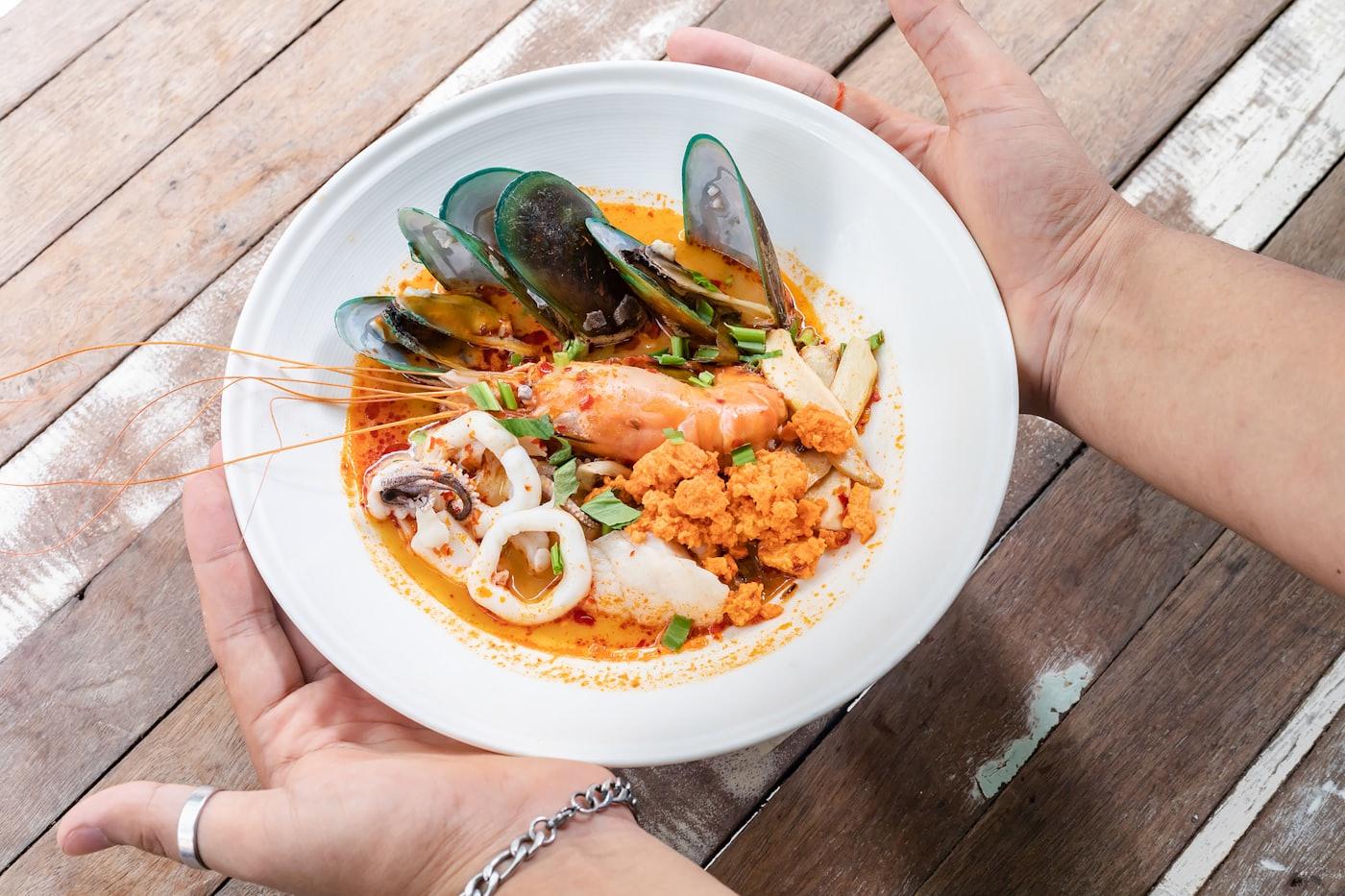
A vivid example of spices and herbs working in tandem is the Thai soup Tom Yum with Shrimp: its signature aroma is built on lemongrass, kaffir lime leaves, galangal, and chili paste. Here the spices aren't a background — they're the star of the dish.
Regional spice kits
Every cuisine is, in essence, its own palette of spices. Memorize a few "profiles" and you'll be able to sense on the fly where a dish is heading.
Asian profiles
Asia is vast, so there are many profiles:
- Southeast Asia (Thailand, Vietnam) — lemongrass, galangal, kaffir lime, chili, cilantro, fish sauce. A fresh, sour, spicy balance.
- India — cumin, coriander, turmeric, cardamom, cloves, cinnamon. The famous garam masala blend is assembled from these.
- China — the base of "five spice": star anise, cloves, cinnamon, fennel, and Sichuan pepper, which gives that characteristic tingle.
The Mexican profile
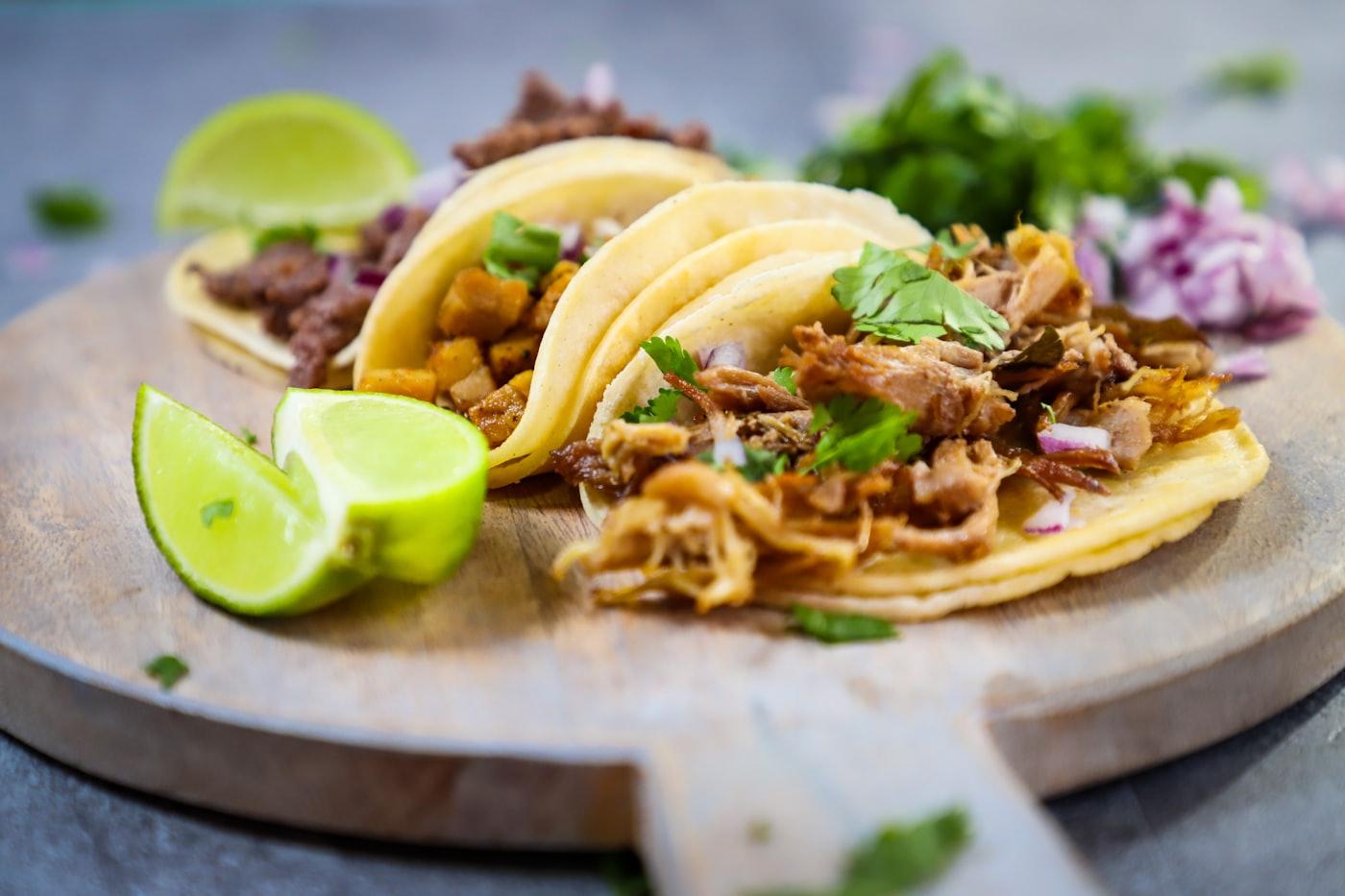
Real Mexican cuisine rests not on heat for heat's sake, but on depth. The base notes are cumin, oregano (Mexican oregano differs from the Mediterranean kind), dried chilies (ancho, guajillo, chipotle), coriander, cinnamon, and cocoa. It's the combination of cumin, chili, and acidity that gives the flavor we love in tacos.
A classic example is Tacos al Pastor: the pork marinade is built on dried chilies, achiote (annatto), cumin, and pineapple juice. This dish, by the way, was born from the Lebanese spit-roasting tradition brought to Mexico by immigrants — a great example of how spices travel along with people.
Simple rules for combinations
To avoid guesswork, keep a few pairings in mind that almost always work:
- Cumin + coriander — a warm, earthy base for meat and vegetables.
- Paprika + garlic + oregano — a Mediterranean and Mexican direction.
- Cinnamon + cloves + nutmeg — the "warm" sweet group for baking and braised meat.
- Ginger + garlic + soy sauce — the start of most Asian dishes.
- Turmeric + cumin + coriander + chili — the framework of a homemade curry.
And a universal rule: add spices gradually and taste as you go. It's easy to under-salt and correct later, but nearly impossible to rescue an over-spiced dish. Acid (lemon, vinegar) and a touch of sweetness (sugar, honey) help balance the flavor if you've overdone the heat or salt.
Conclusion
Spices are not a strict science but a language spoken by the world's cuisines. Start with a dozen basics, learn to store and toast them properly, memorize a couple of regional profiles — and cooking turns from following a recipe into a deliberate play of flavors.
The best way to cement the theory is practice. Take a recipe from an unfamiliar cuisine, gather the spices you need, and feel how the flavor shifts at each stage. After a dozen such experiments you'll stop checking the guide and start seasoning by instinct — and that is exactly the kind of culinary freedom worth chasing.