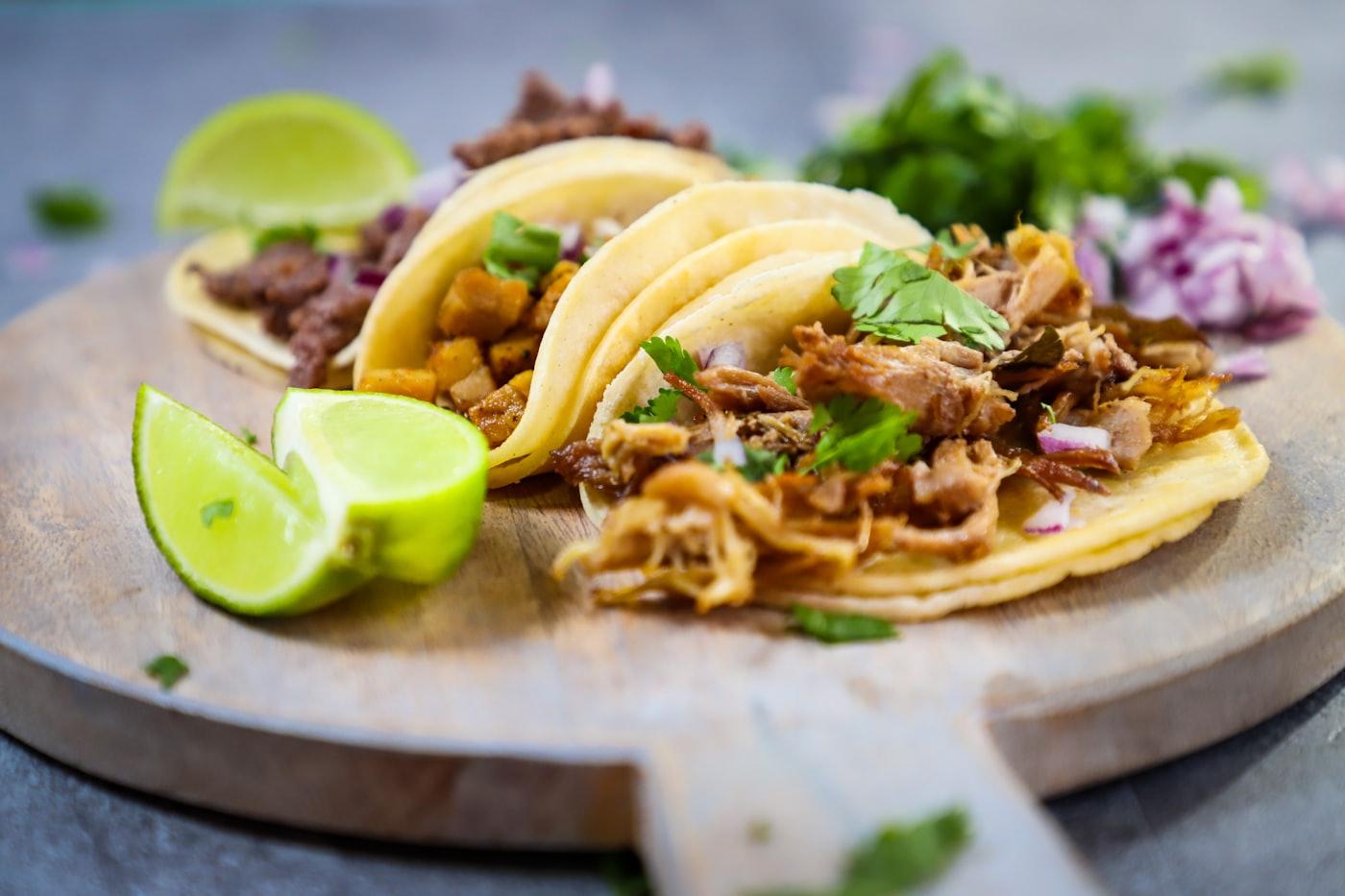
When we hear "Mexican cuisine," the first image that usually comes to mind is fast food: a crunchy shell, ground beef, shredded cheese and a mountain of sour cream. But that is only a shadow of the real gastronomy, one that took thousands of years to develop. Authentic Mexican cooking is a complex system of flavors where the legacy of ancient civilizations, Spanish influence and dozens of regional traditions all intertwine.
In 2010, traditional Mexican cuisine was inscribed on UNESCO's Representative List of the Intangible Cultural Heritage of Humanity — an honor granted to only a handful of culinary traditions worldwide. The cuisine of the state of Michoacán played a decisive role, serving as a model of how food connects generations, communities and the land itself.
Let's take a journey beyond the familiar boxed tacos and discover what one of the richest cuisines on the planet is truly about.
Ancient Roots: Corn, Beans and Chiles
The foundation of Mexican cuisine was laid long before the Europeans arrived. The Maya and Aztec civilizations built their diet around the so-called "Mesoamerican trinity": corn, beans and squash. These three crops complemented one another both in the field and on the plate.
The true hero was, and still is, corn. For the Aztecs and Maya it was not merely a plant but a sacred gift. According to Maya mythology recorded in the Popol Vuh, the gods shaped the first humans out of corn dough. To make the grain truly nutritious, ancient cooks used a technique called nixtamalization: they soaked and cooked the corn in an alkaline solution (with lime or ash). This released niacin and made the proteins digestible — without this process, a corn-based diet would have caused disease.
The second pillar is the chile pepper. Mexico boasts dozens of varieties, each lending its own shade of flavor:
- Jalapeño — fresh, grassy and moderately hot.
- Chipotle — a smoked and dried jalapeño that delivers a deep, smoky aroma.
- Poblano — large and mild, stuffed to make chiles rellenos.
- Ancho — a dried poblano with sweet, raisin-like notes.
- Habanero — one of the spiciest, with a fruity character.
In Mexican cooking, chiles are used not just for heat but for taste, color and aroma — a full palette rather than a simple way to set your tongue on fire.
The Tortilla: An Edible Foundation
If there is one item without which the Mexican table is unthinkable, it is the tortilla. This thin flatbread made of corn (and later wheat) flour serves at once as bread, plate, spoon and wrapper. The masa dough produced through nixtamalization is shaped into balls, flattened with a press and toasted on a hot griddle called a comal.
It is the tortilla that turns many dishes into what they are. A taco is a filling tucked into a folded tortilla. Enchiladas are tortillas rolled around a filling, drenched in chile sauce and baked. A quesadilla is a tortilla folded over melted cheese. And stale tortillas are never wasted: they are cut up and fried, transformed into chilaquiles or totopos (the very chips we call nachos).
The Great Dishes: From Tamales to Mole
Mexican cuisine is far from limited to street food. Many of its dishes demand hours of labor and dozens of ingredients.
Tamales — Food Wrapped in History
Tamales are among the oldest dishes on the continent, prepared thousands of years ago. They consist of corn-dough masa with a filling (meat, chile, cheese, sometimes sweet ingredients), wrapped in corn husks or banana leaves and steamed. Tamales are inseparable from celebrations: large families make them for Christmas and the Day of the Dead.
Mole — The King of Sauces
Mole (from a Nahuatl word meaning "sauce") is perhaps the most complex dish in Mexican cuisine. The famous mole poblano can contain more than twenty ingredients: several kinds of dried chiles, nuts, seeds, spices, tomatoes and — yes — a little chocolate. The chocolate does not make the sauce sweet; it adds depth and velvety texture. Finished mole — thick, dark and layered — is served with turkey or chicken. It is a dish for festivities, and preparing it often becomes a family ritual.
Guacamole — An Ancient Classic
Guacamole also comes from Aztec cooking: its name derives from "ahuacamolli," meaning "avocado sauce." In its authentic form it is a very simple dish: ripe avocado mashed with a fork, brightened with lime, cilantro, onion, chile and salt. No unnecessary additions — only the pure flavor of fresh ingredients.
Regional Diversity
Speaking of "Mexican cuisine" in the singular is almost like speaking of "European cuisine." The country is vast, and every region has its own character. The Yucatán, with its Maya roots, is famous for cochinita pibil — pork marinated in sour orange juice and red annatto, slow-roasted in an earthen pit. Oaxaca is called "the land of seven moles" and the home of a special stringy cheese, quesillo. The cattle-ranching north leans toward beef and wheat tortillas, while the coastal states embrace fresh seafood and ceviche.
This diversity is exactly what makes Mexican cuisine inexhaustible: you could study it for years and still discover a new state, a new sauce, a new festive recipe every time.
Where to Begin at Home: Tacos
The best way to get acquainted with real Mexican cuisine is to make authentic tacos. Forget the hard store-bought "shells": real tacos are built on a soft, warm corn tortilla, folded in two and filled with juicy meat, fresh salsa, onion and cilantro.
One of the most beloved versions is Tacos al Pastor. This dish was born thanks to Lebanese immigrants who brought to Mexico the technique of cooking meat on a vertical spit (much like shawarma). Local cooks adapted the idea: they marinated pork in a blend of chiles and annatto, stacked it on a trompo and served it with a slice of pineapple. The result became a true symbol of Mexican street food.
Conclusion
Mexican cuisine is so much more than stereotypical fast food. It is a living tradition with a thousand-year history, where sacred corn, dozens of chile varieties and patient craftsmanship combine into dishes of incredible depth. From simple guacamole to elaborate mole, from street tacos to festive tamales — every dish tells a story.
The best way to understand this culture is to taste it. Start with Tacos al Pastor, feel the balance of spicy, sour and sweet — and you will understand why UNESCO recognized this cuisine as a treasure of all humankind.