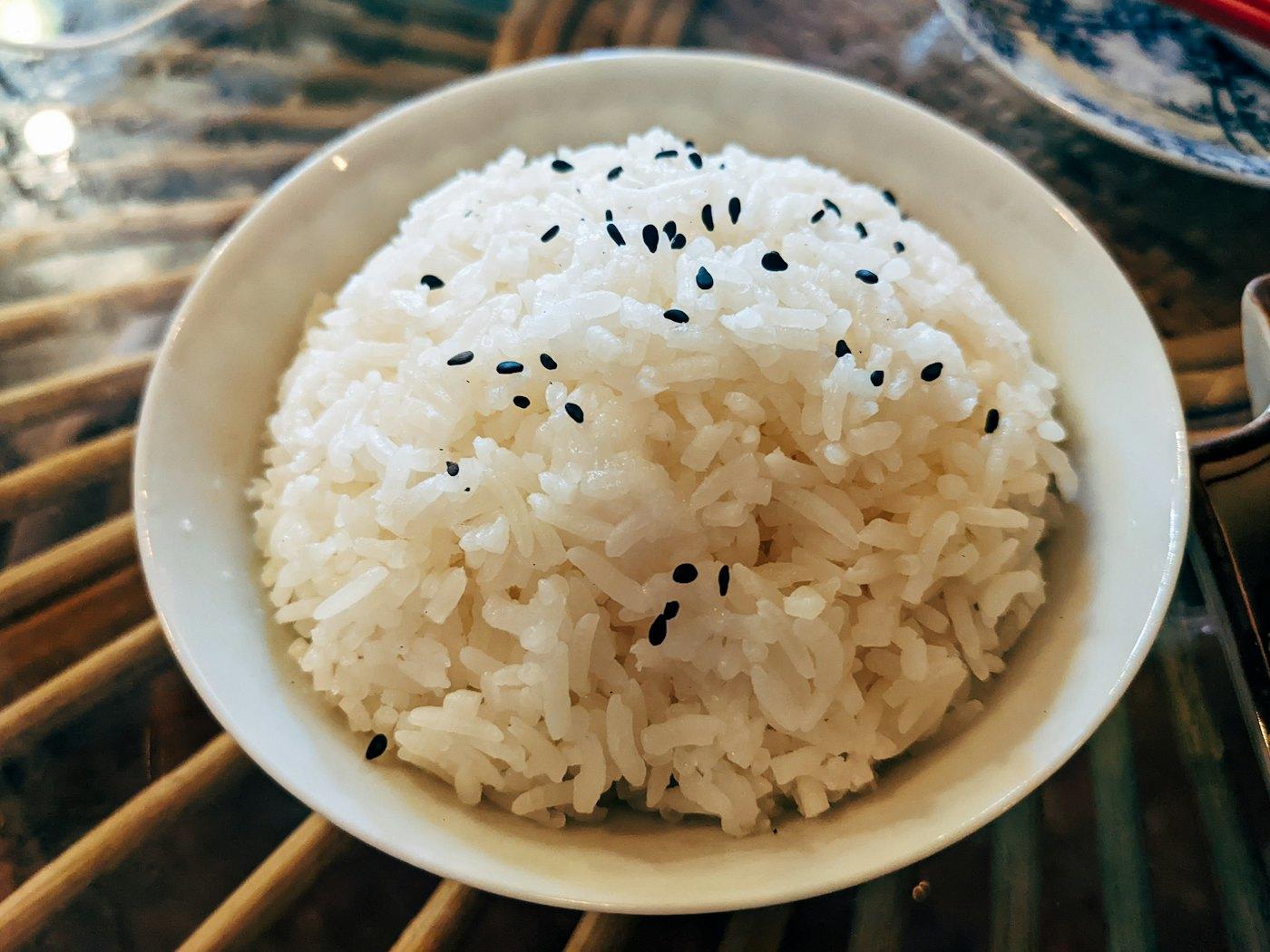
Rice seems like the simplest side dish in the world — add water, set it on the stove, done. Yet rice is exactly where home cooks stumble most often: sometimes it turns into a gluey clump, sometimes the grains stay half-raw, and sometimes the bottom of the pot scorches. The good news is that perfect rice isn't magic — it comes down to understanding just two things: which variety you're actually holding, and how much water it needs.
In this guide we'll walk through the main types of rice and their personalities, explain why rinsing matters, which water ratios work, and what the absorption method is — the technique chefs around the world swear by. We'll also be honest about the common mistakes: the ones that turn rice into porridge or leave it stubbornly hard.
Once you understand the logic, rice stops being a gamble. You'll be able to confidently cook fluffy pilaf, the base for sushi, and creamy risotto — and at the end we'll point you toward a couple of FoodLore recipes where you can put your new skills to work right away.
Types of Rice: Each Has Its Own Character
The classic beginner mistake is treating all rice the same. In reality, varieties differ in grain length and starch content, and that's exactly what decides whether your rice comes out fluffy and separate or soft and sticky.
Long-Grain: Basmati and Jasmine
Basmati is an aromatic long-grain rice from India and Pakistan, grown in the foothills of the Himalayas. After cooking, the grains lengthen further, stay separate and fluffy, and carry a delicate nutty aroma. Basmati is the classic base for Indian biryani and pilaf.
Jasmine rice is a long-grain variety from Thailand with a soft floral fragrance — hence the name. It's a touch softer and slightly stickier than basmati, which makes it the perfect partner for Thai and Southeast Asian cooking: curries, stir-fries and soups.
Medium-Grain: Sushi Rice and Arborio
Sushi rice is a Japanese short- or medium-grain rice with a high starch content. That starch is what makes the grains cling together so they hold their shape in a piece of sushi or an onigiri. Without that stickiness, the rice would simply fall apart.
Arborio is an Italian medium-grain variety and the foundation of risotto. Its grains are rich in a particular kind of starch that, when broth is added gradually and the rice is stirred, releases to create that signature creamy texture. For risotto you specifically do NOT rinse arborio — here the starch is your ally.
There are other varieties too: round-grain rice, wild rice (which is actually the seed of an aquatic grass), and brown unpolished rice with its bran layer intact. But master the four above and you've covered about 90% of everyday cooking.
Why You Should Rinse Rice
Rinsing is a step many people skip — and shouldn't. The surface of the grains carries excess starch and starchy dust left from milling. If you don't wash it off, the rice clumps into a dense mass and can taste faintly bitter.
How to rinse properly:
- Put the rice in a bowl, cover with cold water and gently swirl it with your hand.
- Pour off the cloudy water. Repeat 3–5 times until the water runs nearly clear.
- For fluffy varieties (basmati, jasmine) you can then soak the rice for 20–30 minutes so the grains cook more evenly.
The big exception is arborio and other risotto varieties: don't rinse them, because that surface starch is what gives you creaminess. Sushi rice, by contrast, is rinsed especially thoroughly and then left to drain.
Water Ratios: The Key Formula
If you remember just one thing from this article, make it the ratios. For most white long-grain varieties, the workhorse ratio is 1 part rice to 1.5 parts water by volume. But there's no single universal rule — starchiness and milling both affect the result.
Approximate ratios (rice : water):
- Basmati — 1 : 1.5 (after soaking you can drop to 1 : 1.25)
- Jasmine — 1 : 1.25–1.5
- Sushi rice — 1 : 1.1–1.2 (almost equal parts; the rice should be firm)
- Brown rice — 1 : 2.5 (the bran layer needs more water and time)
- Arborio — no fixed ratio; broth is added ladle by ladle, gradually
Remember: it's better to use slightly too little water than too much. Dry rice can always be rescued with a splash of boiling water, but mushy porridge is beyond saving.
The Absorption Method: How the Pros Do It
The absorption method means cooking rice in exactly the amount of water it will fully soak up. No draining into a colander, no flavor or starch lost down the sink. This is how rice is cooked across Asia and the Middle East.
The basic sequence:
- Rinse the rice until the water runs clear (except arborio).
- Put the rice in a heavy-bottomed pot, add the measured water and a pinch of salt.
- Bring to a boil over high heat, uncovered.
- As soon as it boils, turn the heat to its lowest setting, cover with a tight lid and do NOT open it.
- Cook for 12–15 minutes (brown rice up to 40), then take it off the heat and let it sit, still covered, for another 10 minutes.
- Fluff the rice with a fork — the grains will turn separate and light.
That resting stage under the lid is critical: during those minutes the moisture redistributes evenly and the bottom layer doesn't scorch. Don't rush to lift the lid — the steam finishes the job for you.
Common Mistakes and How to Avoid Them
Even seasoned cooks trip over these. Here are the main culprits behind rice failures:
- Too much water. The result is sticky porridge. Measure the water rather than eyeballing it.
- Constant stirring. For fluffy rice (basmati, jasmine) you should NOT stir — it breaks up the grains and releases excess starch. Stirring belongs to risotto only.
- Lifting the lid during cooking. Steam escapes, the temperature drops and the rice cooks unevenly.
- High heat the whole time. The bottom burns before the top is done. After it boils, keep the heat at minimum.
- Skipping the rest. Serve the rice immediately and it'll be wet at the bottom and dry on top.
- The wrong grain for the dish. You can't make sushi from basmati or risotto from jasmine — the texture will let you down.
One more frequent slip: salting the rice on the plate. Salt is better added to the water before cooking, so it penetrates the grain rather than just sitting on the surface.
From Theory to Practice
Now that you know how each variety behaves, it's time to cook something delicious. Sticky Japanese rice is the base of countless dishes, and the easiest place to start is rice balls. Try Onigiri from Spirited Away — the very rice balls Haku feeds to a tearful Chihiro. In real kitchens, onigiri really are shaped from warm Japanese short-grain rice, so your rinsing and ratio skills pay off immediately.
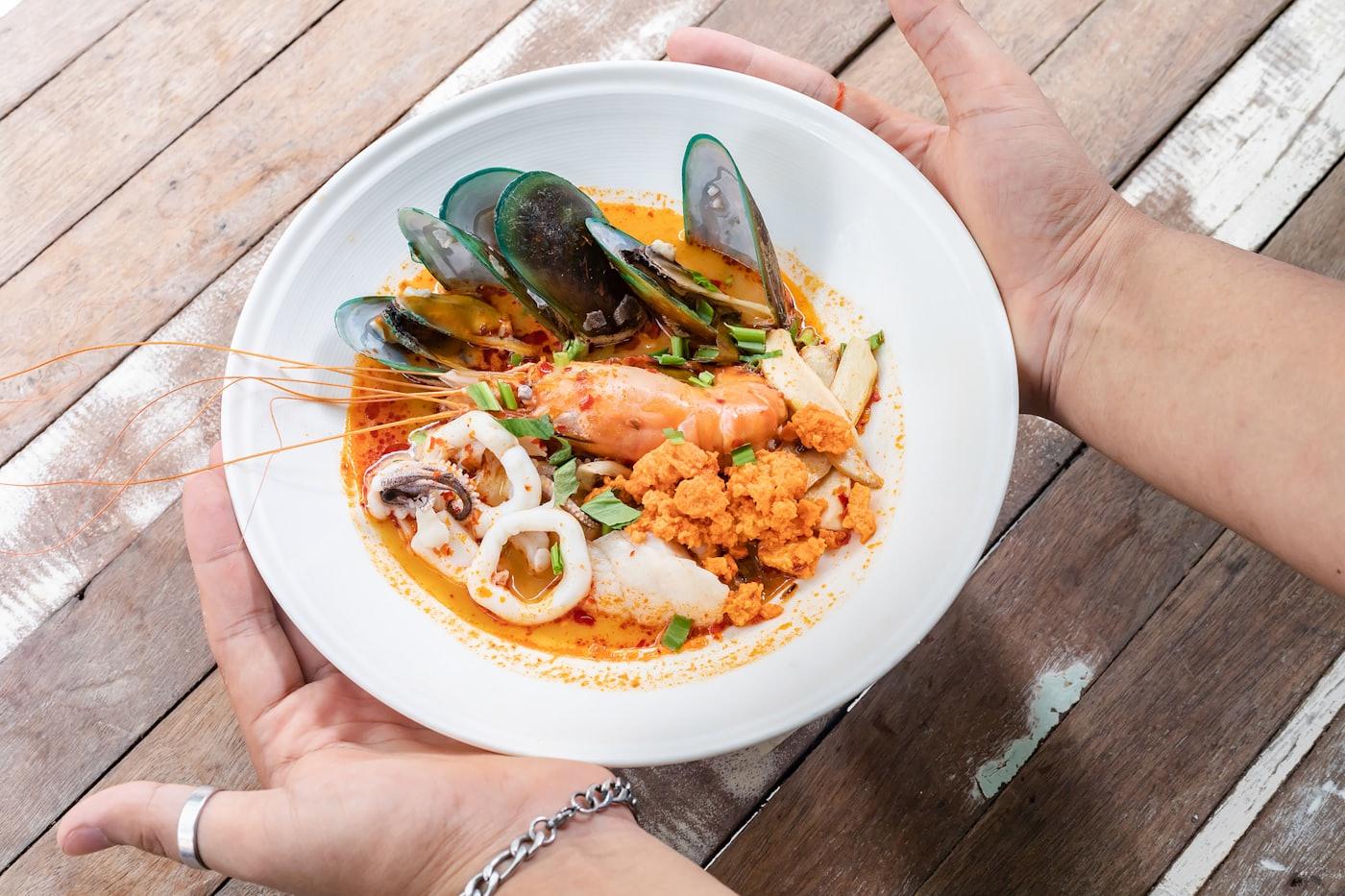
If aromatic long-grain rice is more your style, look to Thai cuisine: jasmine rice is the ideal companion to spicy soups. Cook it with the absorption method and serve it alongside Tom Yum with Shrimp — this hot-and-sour Thai soup shines even brighter next to soft, neutral rice that tempers the heat.
Conclusion
Perfect rice comes down to a few simple decisions: pick the right variety for the job, rinse it (or leave arborio alone), measure the water, and trust the absorption method with its mandatory rest under the lid. No magic — just an understanding of what starch and moisture do to a grain.
Cook rice by these rules just once, paying attention to ratios and heat, and your hands will start to remember the rhythm on their own. And once the confidence kicks in, experiment: drop a bay leaf, a cardamom pod or a touch of oil into the water, make pilaf, risotto and sushi. The fundamentals are already yours.