Ask an Italian to define "Italian cuisine" and they will probably correct you: there is no single Italian cuisine. There is the cooking of Naples, of Rome, of Bologna, of Sicily, of Piedmont — and each region fiercely guards its own recipes. Italy was only unified in 1861; before that it spent centuries as a patchwork of separate kingdoms and republics. As a result, its culinary map looks more like a quilt than a single cloth.
That very regionalism is what makes Italian food so fascinating. In the cooler north people favour butter, rice and polenta; in the sun-baked south, olive oil, tomatoes and durum-wheat pasta reign. The same word can mean completely different things from one province to the next — and that is perfectly normal.
We have gathered ten dishes that are widely seen as Italy's calling cards. This is not a strict ranking or a list of "the best ever," but rather an itinerary across the Italian table — from crisp Neapolitan pizza to cool gelato. Let's dig in.
North versus south: why the cuisines differ
To keep these ten dishes straight, hold one simple division in mind. Northern Italy means creamy sauces, risotto, tortellini, polenta and cheeses like grana padano. The climate is cooler, the Alps are close, and Austrian and French influences are easy to taste.
The south means sun, sea and tomatoes. It is the birthplace of pizza; pasta is more often made from durum wheat and served "al dente"; and there is plenty of fish, aubergine, capers and chilli. In between lies central Italy — Tuscany, Umbria, Lazio — where simple peasant dishes built on bread, beans and olive oil hold sway.
Keep this logic in mind and you will understand much better why Roman carbonara and Milanese ossobuco feel like food from two different countries.
Five dishes to start your journey
If you are just approaching Italian cooking, begin with this group of five. They are recognisable, relatively simple, and give an honest sense of the country's flavours.
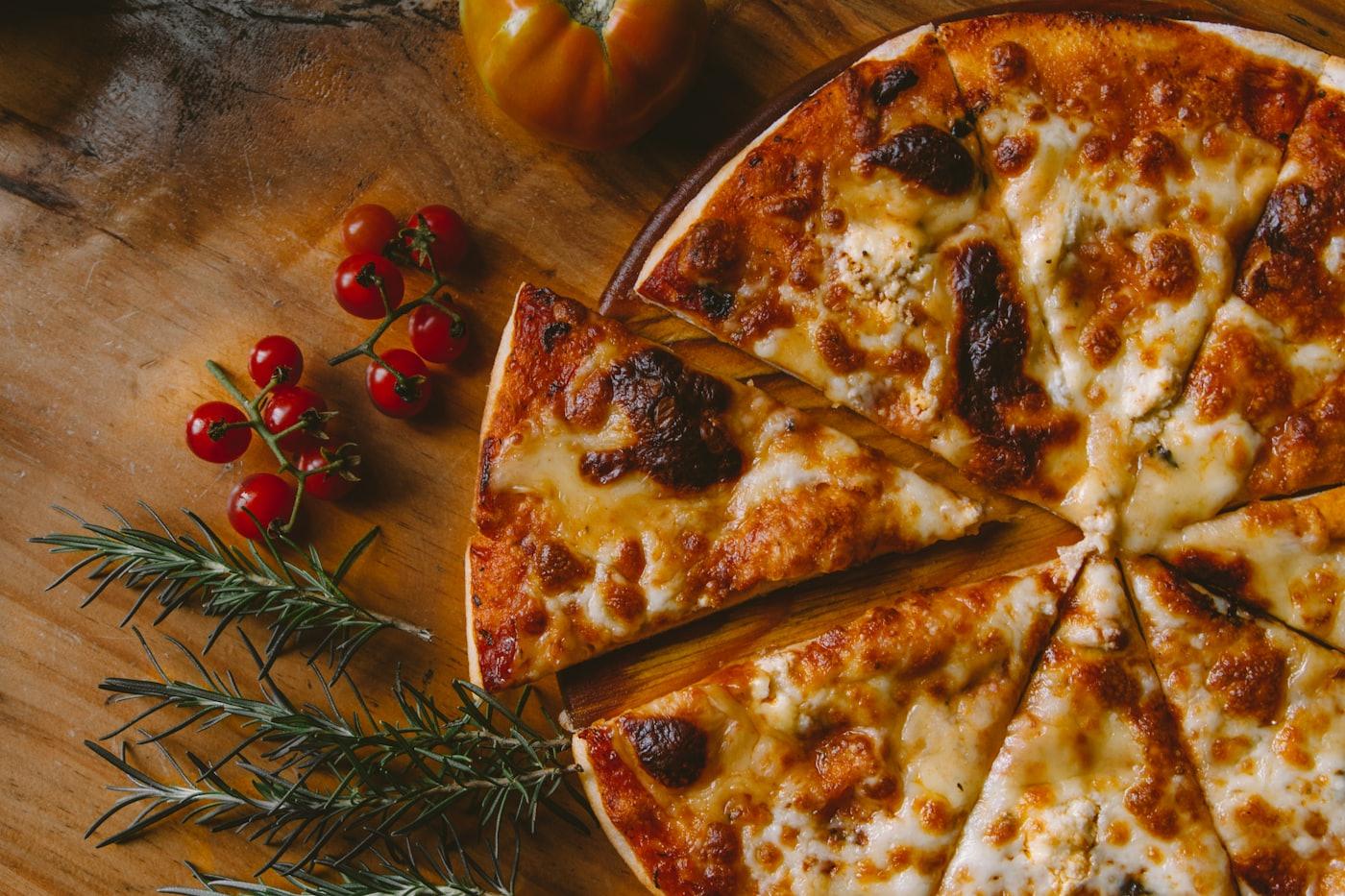
- Margherita pizza — born in Naples. According to legend, in 1889 the pizzaiolo Raffaele Esposito made a pizza in the colours of the Italian flag for Queen Margherita of Savoy: red tomatoes, white mozzarella, green basil. Authentic Neapolitan pizza is a protected specialty, baked in a wood-fired oven at around 430-480 °C for mere seconds. Want to recreate it at home? We have a detailed recipe for Margherita Pizza.
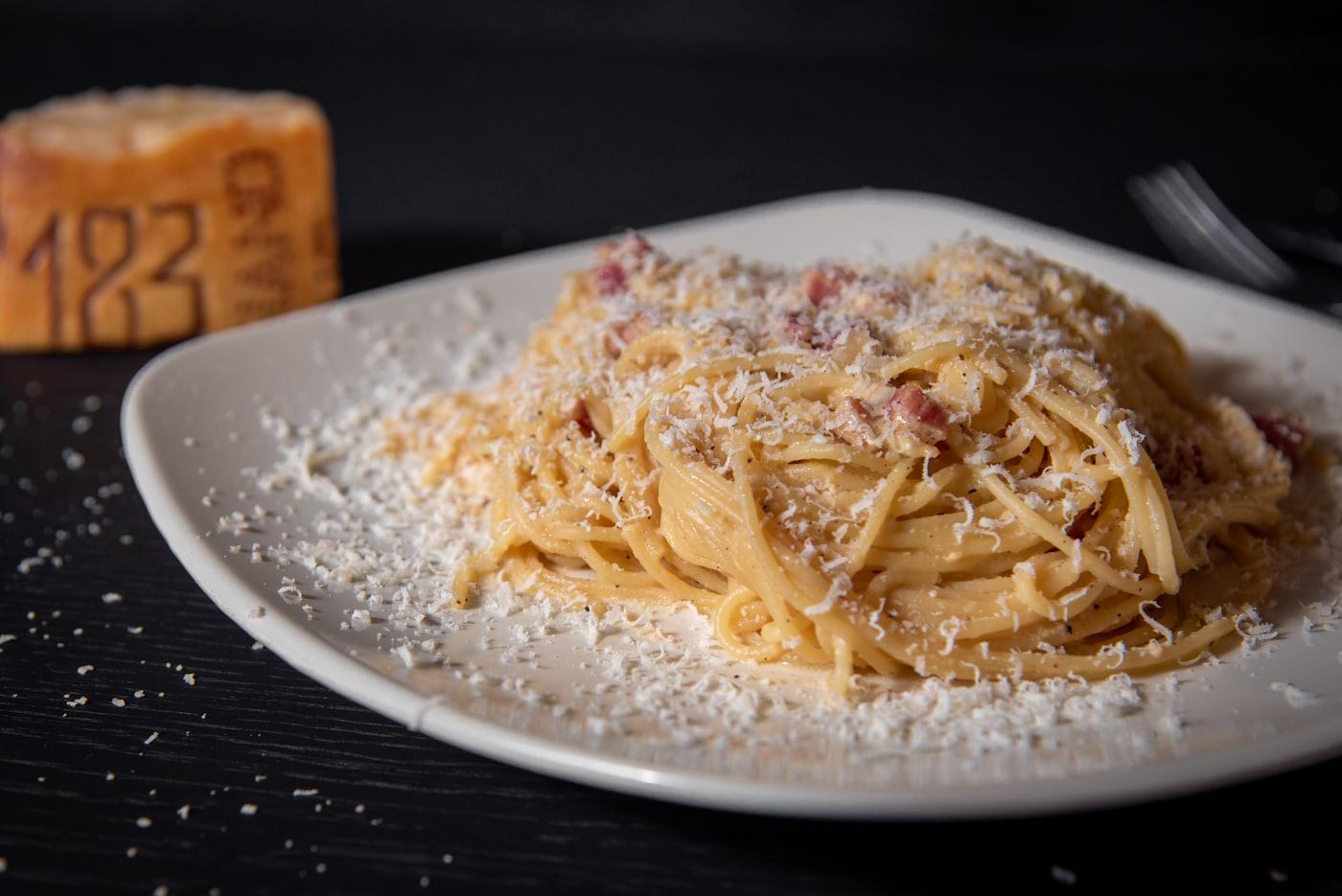
- Pasta carbonara — Rome's pride. Despite popular myth, classic carbonara contains no cream: its silky texture comes from an emulsion of egg yolks, pecorino romano cheese and starchy pasta water. The meat is guanciale (cured pork cheek), not bacon. Getting it right is easier than it looks — take a look at our recipe for Pasta Carbonara.
- Risotto — a northern rice dish made with arborio or carnaroli varieties. The rice is slowly "fed" hot stock and stirred until the grains release their starch and turn creamy. The classic is risotto alla milanese, tinted gold with saffron.
- Lasagne — a baked pie of pasta sheets layered with ragù bolognese, béchamel sauce and cheese. The most famous version comes from Emilia-Romagna, where the dough is often coloured green with spinach — lasagne verdi.
- Minestrone — a thick vegetable soup, the emblem of Italy's "cucina povera." There is no canonical recipe: you add whatever is on hand and in season — beans, courgette, carrot, pasta or rice.
Dishes for those who want to go deeper
Once you have mastered the basic five, it is worth pressing on. These dishes show just how varied Italy can be.
Ossobuco
Ossobuco alla milanese is braised veal shank on the bone, the marrow left tender inside (the name itself means "hollow bone"). It cooks slowly with white wine, stock and vegetables, and is traditionally served with risotto alla milanese and a sprinkle of gremolata made from lemon zest, garlic and parsley. It is a model of northern cooking: rich, hearty and unhurried.
Arancini
Sicilian arancini are fried risotto balls with a filling (ragù, mozzarella, peas), coated in breadcrumbs. The name means "little oranges," after their round shape and golden colour. On Sicily people even argue about their form: some shape them into balls, while in Catania they are made into cones.
Caprese
The caprese salad from the island of Capri is, once again, the colours of the flag: slices of mozzarella (ideally from buffalo milk), ripe tomatoes and basil, drizzled with olive oil. No vinegar, no elaborate dressing — the dish stands or falls on the quality of three or four ingredients.
A sweet finale
Italian desserts deserve a chapter of their own, but we will single out the two most famous.
- Tiramisu — a relatively young dessert: it is linked to the Veneto region and thought to have appeared in the 1960s-70s. Its name means "pick me up" — a nod to the energising coffee. The classic is ladyfingers soaked in espresso, a mascarpone-and-egg cream, and a dusting of cocoa. Alcohol (marsala or liqueur) is left to the cook's discretion.
- Gelato — Italian ice cream, which differs from the everyday kind in its lower fat content, smaller amount of air and warmer serving temperature. That makes it feel denser and taste more vivid. The best gelaterie make it fresh every day from seasonal produce.
These ten dishes are only the tip of the iceberg. Left off the list are tortellini, pasta alla norma, polenta, cantucci, panettone and hundreds of regional specialties. But if you taste and cook even half of them, you will already get a good feel for what real Italy on a plate is like.
What to cook first
A final tip: start with something that does not call for rare ingredients. Pasta Carbonara comes together from five products in twenty minutes, while Margherita Pizza will teach you to handle dough and balance tomato, cheese and basil. These two dishes are the start of a long friendship with Italian cuisine — and trust us, it is well worth it.