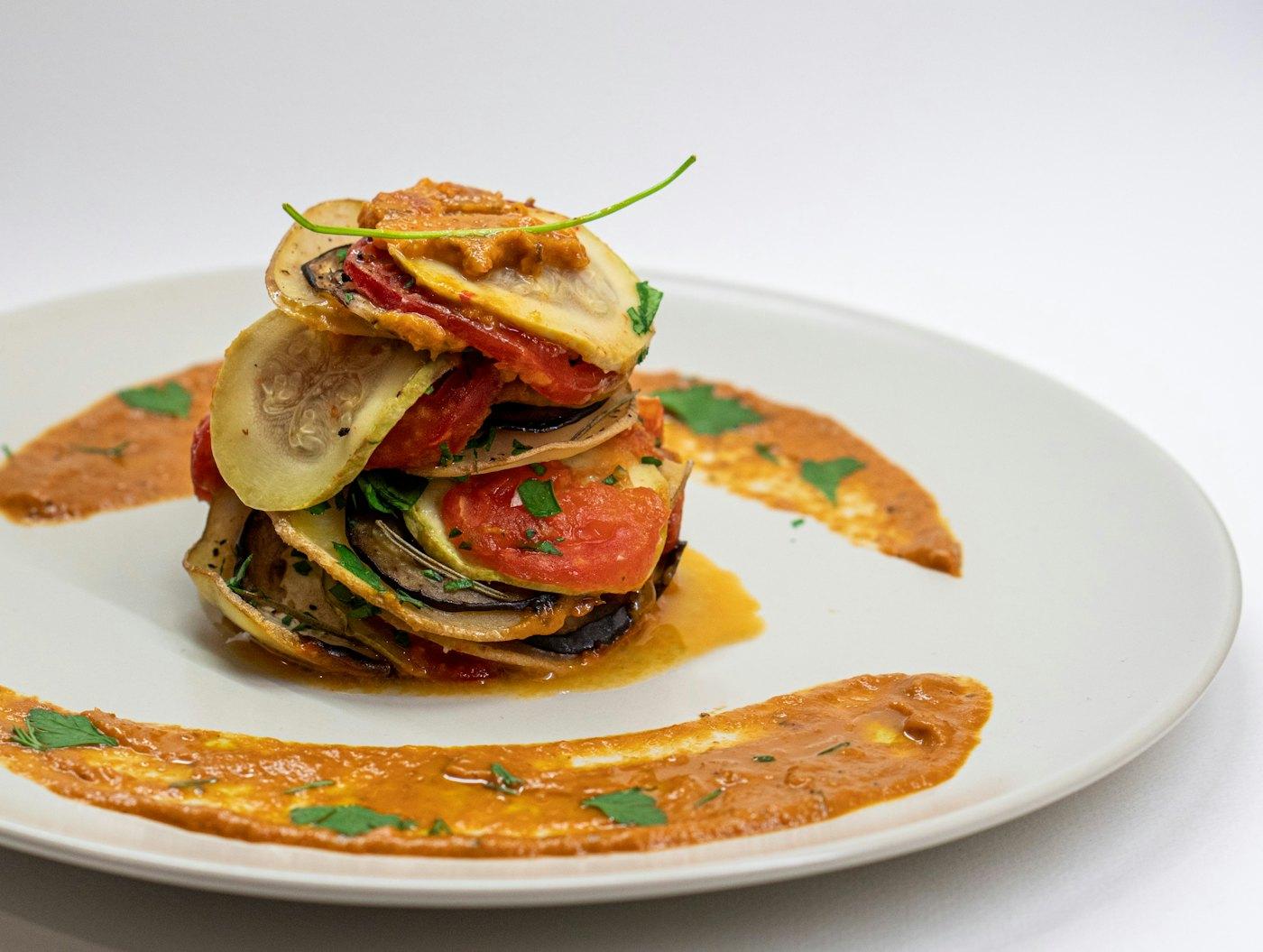
Ratatouille is one of those dishes that manages to be both humble and legendary at the same time. At its core it is simply stewed summer vegetables: tomatoes, zucchini, eggplant, peppers, onion and garlic, generously seasoned with olive oil and Provencal herbs. Nothing complicated, nothing expensive. And yet a whole mythology has grown up around it, stretching from the markets of Nice to an animated kitchen in Paris.
What is fascinating is that for most people outside France the word "ratatouille" today is tied not to Provencal cooking but to Remy, the little red-furred rat from the Pixar film. After "Ratatouille" premiered in 2007, the dish enjoyed a genuine renaissance: people all over the world started cooking it at home, arranging neatly sliced vegetable coins into spiral patterns and photographing them for social media.
But behind that vivid image lies a long and far more modest story, the story of poor peasant food that traveled all the way from a pot over an open fire to the plates of Michelin-starred restaurants. Let us figure out where ratatouille actually comes from, what its strange name means, and why the version from the movie is not really the classic at all.
Where the Name Comes From
The word ratatouille comes from the Provencal (Occitan) language and the French dialect of Nice. At its root is the verb touiller, meaning "to stir," "to mix," "to toss together." The prefix rata- was old military and colloquial slang from the 18th and 19th centuries for a rough, hastily made stew, the kind cooked in barracks and field kitchens out of whatever happened to be on hand.
In other words, the name itself is honest about the dish's origins: this is a "stirred-up stew," food for ordinary people rather than a refined delicacy. Originally ratatouille could mean almost any tossed-together mess of vegetables, and only over time did the word come to mean the specific set of ingredients we know today.
Peasant Roots of Provence and Nice
The homeland of ratatouille is southeastern France, the region of Provence and its jewel, the city of Nice. The full historical name of the dish is ratatouille nicoise, "ratatouille in the style of Nice." That points to Mediterranean cooking, where exactly the vegetables that form the base of the dish grow in abundance.
Ratatouille was born as a seasonal food of late summer and early autumn, when the gardens of Provence are practically bursting with harvest. Peasant families made it from whatever grew on their own land:
- ripe tomatoes for the sauce and a touch of acidity;
- eggplant for soft, meaty texture;
- zucchini for tenderness and lightness;
- sweet bell peppers for sweetness and aroma;
- onion and garlic as the fragrant base;
- olive oil, without which Mediterranean cooking is unthinkable;
- herbs: thyme, basil, bay leaf, sometimes a blend of herbes de Provence.
It was a thrifty and filling dish. No vegetables went to waste; instead they turned into a thick, fragrant stew that was equally good hot or cold, and only tasted better the next day. Ratatouille was served as a side for meat or fish, as a main course with bread, or as a filling for an omelette.
The Debate Over the "Right" Method
Like any folk dish, ratatouille has no single correct recipe, only family traditions and regional arguments. The main culinary dilemma is this: should you stew all the vegetables together, or fry each one separately?
Fans of the "honest peasant" approach throw everything into one pot and simmer it long and slow, producing a soft, almost mushy stew with a deep, blended flavor. Perfectionists insist that each vegetable should be cooked separately so it keeps its own character and texture, and only then carefully combined. The famous French culinary authority Auguste Escoffier leaned toward the second method. The truth, as usual, lies somewhere in between and depends on which result you prefer.
The Movie Version: Confit Byaldi
And now for the most interesting part, the very dish from the film's finale that makes the fearsome critic Anton Ego drop his pen and tumble into childhood memories. Many people assume this is the "real ratatouille." In fact it is something quite different, a far more elegant and modern variation.
The dish Remy prepares is called confit byaldi. It was developed specifically for the film by the celebrated American chef Thomas Keller, holder of three Michelin stars and owner of the legendary restaurant The French Laundry. Pixar's team turned to him for advice so that the final dish would look truly restaurant-worthy.
Here is how confit byaldi differs from classic ratatouille:
- the vegetables (zucchini, eggplant, tomatoes) are sliced into thin, even coins;
- the coins are overlapped in a spiral or in rows inside a dish, which creates that mesmerizing pattern;
- underneath there is a layer of piperade sauce made from peppers, onion and tomatoes;
- the dish is slowly baked under parchment, which is where the word "confit" comes from (a gentle braise in its own juices and oil);
- it is finished with a vinaigrette built on the same roasted juices.
The term byaldi itself nods to the Turkish dish imam bayildi, stuffed eggplant. As for the spiral presentation, Keller has admitted he borrowed it from French chef Michel Guerard, one of the fathers of nouvelle cuisine. So the beautiful dish from the movie is a gastronomic homage, a layered reference, rather than an authentic rustic ratatouille.
If you want to recreate that exact magical moment from the finale, we have a detailed recipe for ratatouille like in the movie, complete with those thin vegetable coins and the spiral arrangement.
Ratatouille Today: From Village to the World
Today ratatouille lives a double life. The first is the honest home-cooked stew that millions of people make: quick, filling, built from affordable vegetables, prepared in a pot or in the oven depending on your mood. The second is the photogenic spiral version that became an internet star after the movie and is perfect for an elegant presentation at a dinner with guests.
Both versions are correct in their own way. The classic stewed ratatouille is closer to the historical truth and easier to make. The spiral confit byaldi takes more time and care, but it looks impressive and is ideal for surprising someone at the table.
A few things worth remembering so that your ratatouille turns out well:
- use only ripe, seasonal vegetables; in summer and early autumn the flavor will be incomparably brighter;
- do not skimp on good olive oil and fresh herbs;
- let the dish rest, since ratatouille is almost always tastier the next day;
- do not be afraid to serve it cold, warm or hot, because it is delicious any way.
Conclusion
The story of ratatouille is the story of how humble food for the poor becomes a cultural symbol. From a barracks "hodgepodge" and a peasant pot in Provence, the dish traveled all the way to the plates of the world's best restaurants and onto cinema screens. And what is especially pleasing is that it never lost its essence: it remains a hymn to summer vegetables, olive oil and the sun of southern France.
Want to feel a little like Remy? Start with our recipe for ratatouille like in the movie, and may a little gastronomic magic happen in your own kitchen.