Pixar's "Coco" is not only the story of a boy named Miguel and his dream of music — it is also one of the most delicious tributes to Mexican culture. The whole film is built around Dia de los Muertos, the Day of the Dead, and food is not a backdrop here but a full character. The ofrenda altar is laden with bread and fruit, the house smells of spices, and orange marigold petals guide the souls of ancestors back to their family. Let's look at what the canon actually shows and how to cook these dishes at home.
The ofrenda and the language of marigolds
The heart of the holiday is the ofrenda, a home altar with photographs of departed relatives. Food is always part of it: it is believed the souls return for one night and "feed" on the aroma and essence of the offerings. So the altar holds whatever the person loved in life.
Orange marigolds (cempasuchil in Spanish) are more than decoration. Their bright colour and strong scent are said to point the souls home. In the film the petal paths literally glow as a bridge between the worlds of the living and the dead — a very accurate nod to the real tradition.
Pan de muerto — bread of the dead
The holiday's main culinary symbol is pan de muerto, a sweet yeast bread scented with orange zest and anise. Its recognisable shape is no accident:
- the round base symbolises the cycle of life and death;
- the strips of dough on top represent bones;
- the ball in the centre is a skull or a teardrop.
The bread is usually dusted with sugar. Making it at home is not hard: it is an enriched yeast dough close to brioche, only flavoured with citrus and orange-blossom. Fresh pan de muerto with a cup of hot chocolate is the truest way to feel the mood of the Day of the Dead.
Tamales and mole — the festive table
When Miguel's family gathers at the table, classic holiday dishes appear. Tamales are a filling (meat, chicken, chilli) inside masa corn dough, wrapped in corn or banana leaves and steamed. They are made in large batches by the whole family — a ritual as much as a meal.
Mole is a thick, dark sauce, one of the most complex in Mexican cuisine. It can include several kinds of chilli, spices, nuts, seeds and yes, a little chocolate, which adds depth rather than sweetness. Mole poblano is served with chicken or turkey, and a true sauce easily takes half a day to make.
Champurrado and sweets
It is all washed down with champurrado, a hot chocolate-based drink thickened with corn masa. Denser than ordinary cocoa, it warms cool November evenings and is perfect for dunking pan de muerto. It is often flavoured with cinnamon, vanilla and a pinch of piloncillo — unrefined cane sugar.
A story of their own are calaveras de azucar, sugar skulls. These are less food than altar decoration: bright, icing-painted skulls with names written on the forehead. They remind us that in Mexican tradition death is met not with fear but with celebration and remembrance.
Why food in Coco is about memory
The film's central idea is that a person lives on as long as they are remembered. And food here is the main tool of memory. When a family places a departed relative's favourite dish on the ofrenda, it literally invites them back to the table once more. The smell of pan de muerto, a plate of tamales, a cup of champurrado — all are signs that a person has not been forgotten.
That is why the culinary side of "Coco" moves viewers around the world. These are not just beautiful Mexican dishes on screen but a way to speak about love, roots and the bond between generations. Cooking them at home, you touch the same tradition:
- bake something a loved one of yours used to love;
- tell a story about them at the table;
- light a candle and place a photo beside it.
That way an ordinary dinner becomes a small ritual of remembrance — exactly as in the film.
What to make at home
Throwing a "Coco"-style evening is easier than it sounds. Bake pan de muerto, brew champurrado, set a bright table with marigolds — and the atmosphere is ready. To add hearty Mexican dishes, turn to proven classics.
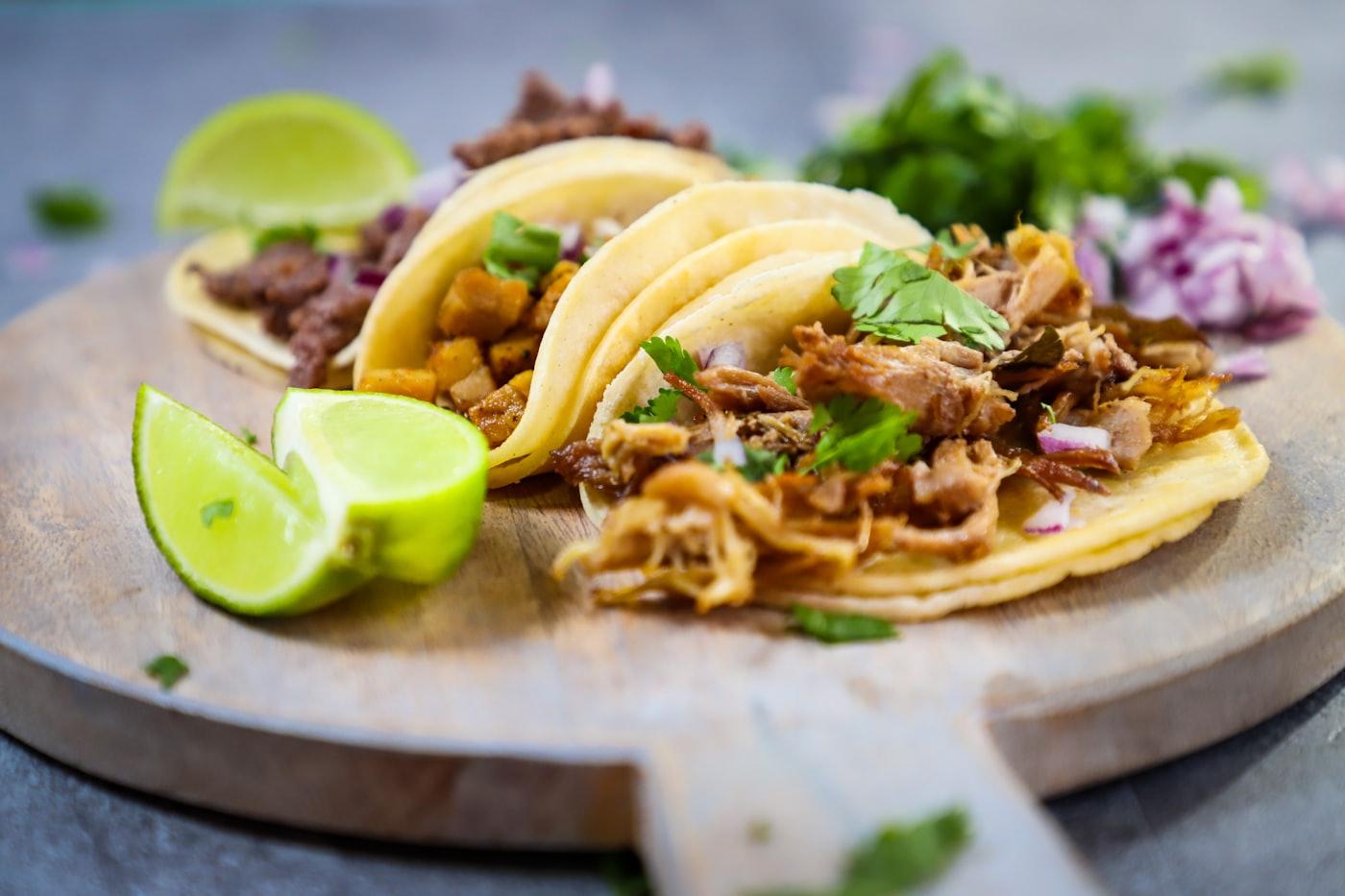
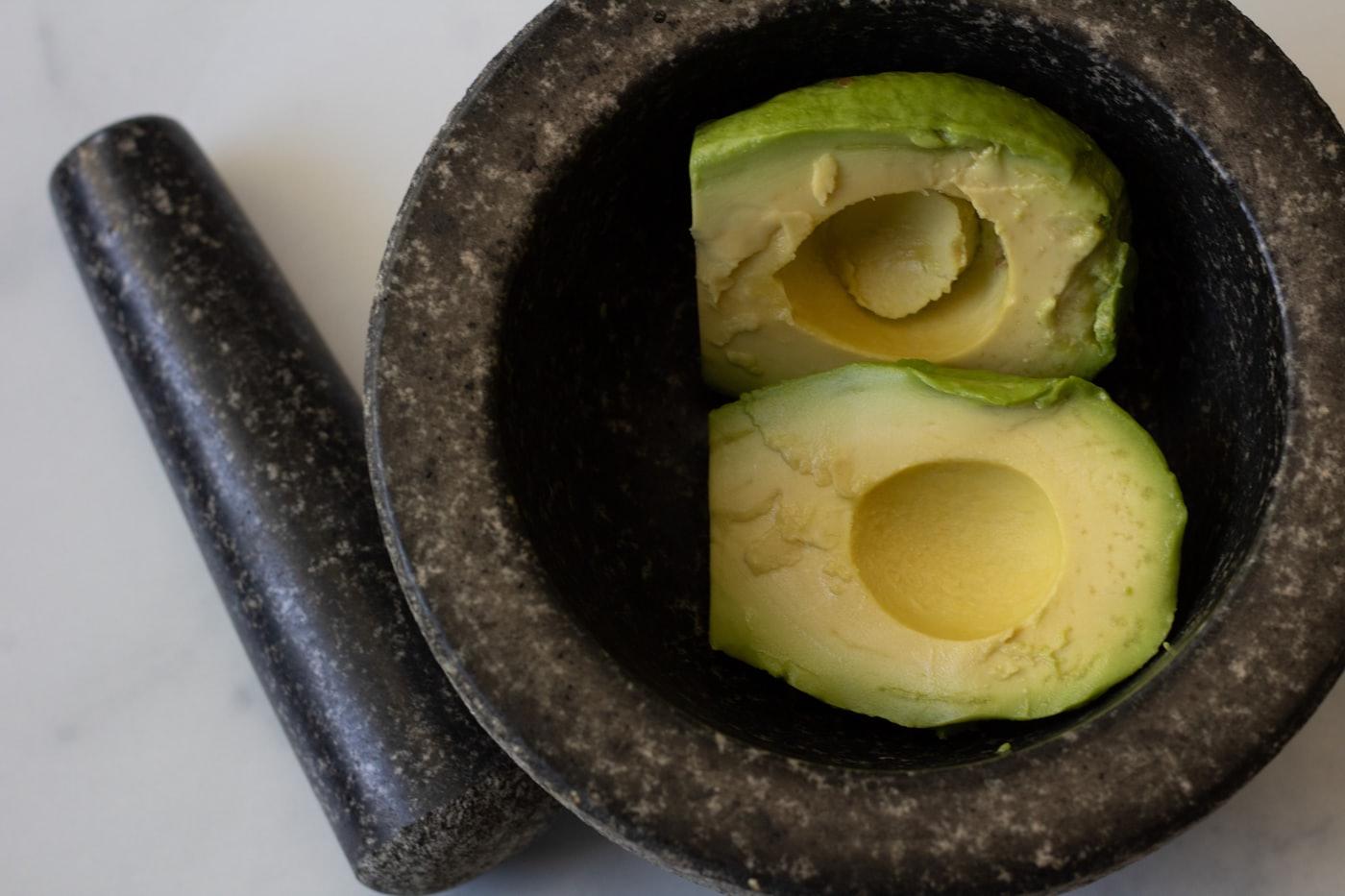
Start with tacos al pastor — a clear, impressive hot dish that brings everyone to the table. And fresh guacamole from ripe avocado makes the bright accent no Mexican celebration can do without. Together they turn an ordinary dinner into a small Dia de los Muertos.