Disney's princess films are about more than songs and gowns — they are surprisingly full of food. For some princesses, cooking sits at the very center of the plot; for others, a dish flashes by in a scene or two, yet those frames stay with viewers for years. A glossy baked apple, a cauldron of soup bubbling over a fire, a tower of sugar-dusted pastries — food in these movies works like a character. It tells you where a heroine comes from, what she dreams about, and what home means to her.
What makes this topic fun is that some of these dishes are entirely real and have concrete culinary roots — like the New Orleans cuisine in The Princess and the Frog. Others exist only on screen: Rapunzel's gray dinner or the meme-famous "grey stew" belong to a space where canon blends with imagination. There, it matters to be honest about what the film actually shows versus what fans dreamed up and cooked on their own.
In this article we'll tour the most recognizable dishes tied to the Disney princesses, dig into where they come from, and point you to recipes you can make today.
Tiana and the cuisine of New Orleans
The Princess and the Frog (2009) is the only Disney feature where the lead is genuinely a cook. Tiana works as a waitress, saves for her own restaurant, and quite literally lives for food. So the cooking here isn't set dressing — it drives the story, and all of it is built on the real gastronomy of Louisiana and New Orleans.
Beignets — the sweet calling card
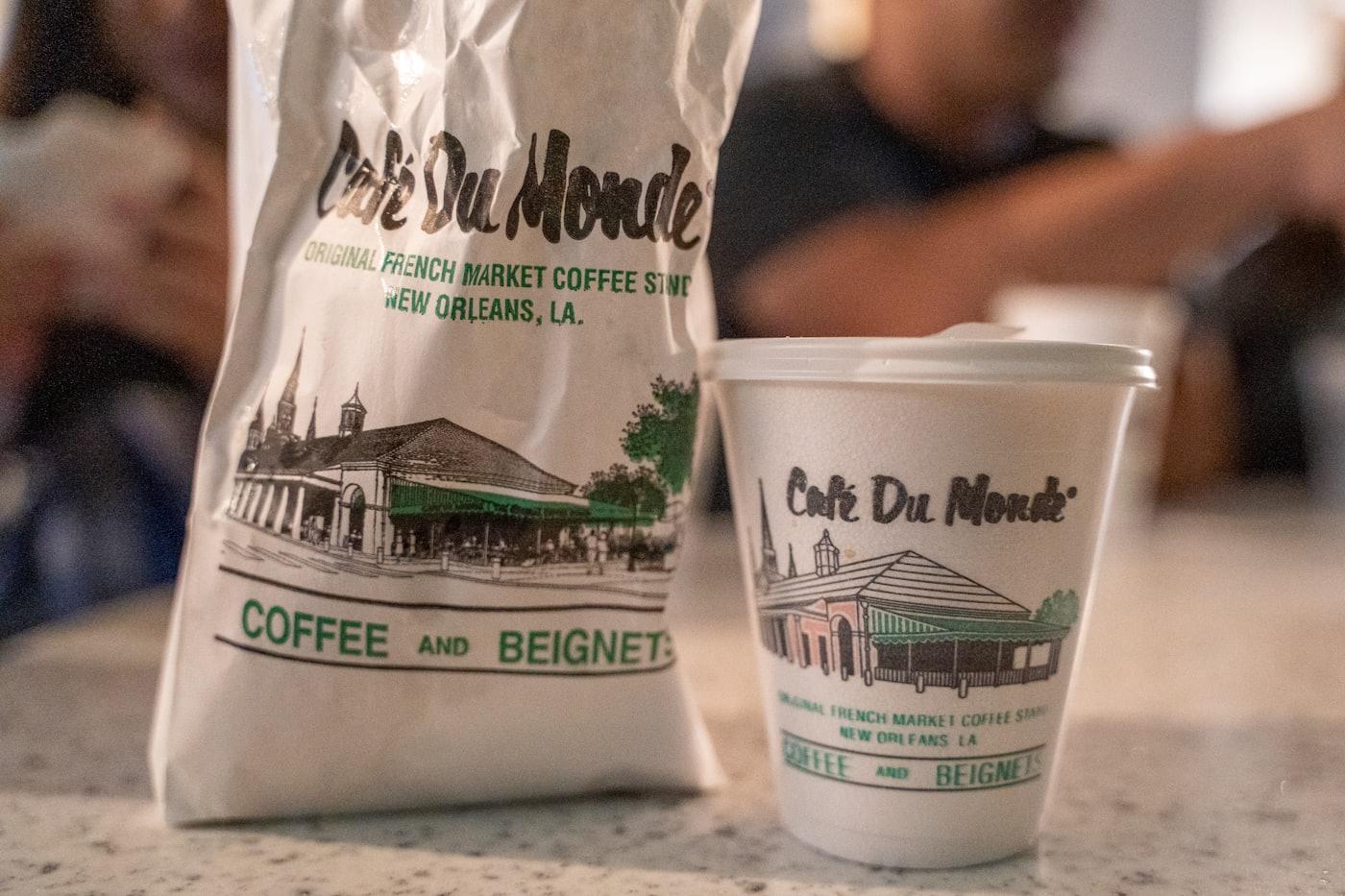
Beignets are square pillows of yeasted dough, deep-fried and buried under powdered sugar. In the film Tiana fries them by the hundred, and the dish becomes a stand-in for her restaurant dream. Beignets are an entirely real classic of the New Orleans French Quarter: they're served hot, usually alongside a cup of chicory coffee. The recipe's roots are French, brought to Louisiana by Acadian and French settlers.
The magic of a beignet lies in its airy texture and its contrast — a crisp, fried shell on the outside and a soft, almost stretchy crumb within. If you want to recreate that frame from the movie at home, we have a step-by-step Tiana's Beignets from The Princess and the Frog recipe covering the dough and the frying.
Gumbo — the soup that brings cultures together
If beignets are Tiana's dessert, then gumbo is her signature main course. In one of the film's warmest scenes, Tiana's father, James, cooks gumbo for the whole neighborhood, and through that single pot the movie makes its point: good food gathers people together.
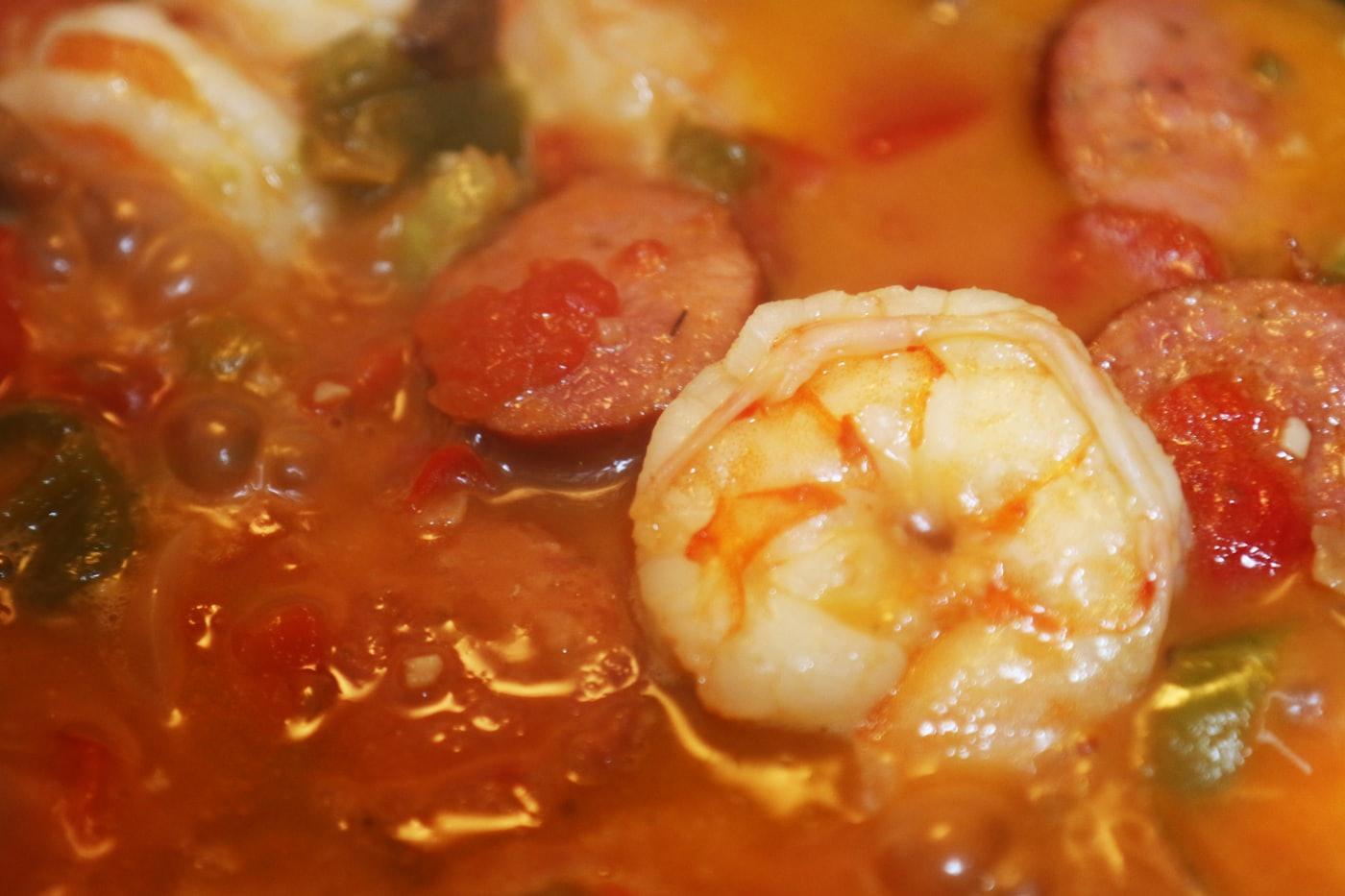
Gumbo is a thick soup-stew widely regarded as the flagship of Creole and Cajun cooking. Several cultures meet in a single bowl:
- a French foundation in the roux (flour cooked in fat until it turns nutty and brown);
- a West African legacy — the very word "gumbo" is tied to a Bantu name for okra, which thickens the soup;
- local Louisiana ingredients — shrimp, chicken, andouille sausage, and the "holy trinity" of onion, celery, and bell pepper.
Gumbo is traditionally thickened in one of three ways: with a dark roux, with okra, or with filé powder (ground sassafras leaves). It's almost always served over white rice. The dish captures the spirit of New Orleans beautifully, and it's very doable at home — see our Tiana's Gumbo from The Princess and the Frog recipe.
Rapunzel's gray dinner
Tangled (2010) gave audiences one of the coziest food scenes around, set in the tavern called The Snuggly Duckling. But the real culinary meme didn't come from the dinner itself — it grew out of Mother Gothel's song, where she rattles off Rapunzel's chores and slips in "cook dinner" among them.
The so-called "gray dinner" from Tangled is an internet phenomenon. Early in the film, Rapunzel's life in the tower looks fairly plain and muted, and fans jokingly invented a whole "gray dinner" menu: dull, gray-toned dishes she supposedly ate day after day. To be honest, there's no specific canonical "gray dinner" with recipes spelled out in the movie — it's a fan interpretation. So if you recreate it, treat it as a game: people make gray squid-ink risotto, mushroom cream soup, or gray gnocchi.
A far more canonical food moment is the tavern scene, where rough-looking ruffians each reveal a tender dream of their own. Here the food works as contrast — a coarse setting, yet a soft wish inside everyone. If you want to bring the Tangled atmosphere home, it makes more sense to lean on hearty tavern fare — stews, bread, pies — than on the gray menu from the memes.
Snow White's poisoned apple
Perhaps the most famous apple in animation history is the one the Evil Queen offers Snow White in Snow White and the Seven Dwarfs (1937), Disney's very first feature film. Big, plump, and perfectly red, the apple became such a recognizable symbol that it still shows up in logos, themed desserts, and theme-park treats.
In the film the apple is, of course, poisoned and absolutely not for eating — it's the villain's weapon. But in the real kitchen, the image of a red apple in a glossy coating has inspired plenty of safe and delicious desserts:
- caramel and toffee apples on a stick — a whole apple in a glistening coat;
- candy apples in a red mirror glaze or red candy syrup, which deliver exactly that "poison-red" shine;
- mousse desserts shaped like an apple, finished with red velvet spray or a mirror glaze.
It's worth keeping the distinction clear: in canon the apple stands for deception and danger, while in real life the "Snow White apple" is purely a visual reference. There's no secret recipe lifted from the film — only the instantly recognizable look of a flawless, shiny red apple, which pastry chefs reinterpret in their own ways.
Grey stew and other fan food
Another dish that keeps surfacing in "food of the Disney princesses" roundups is the so-called "grey stew." Here you have to be especially careful with the facts. The famous line "I'm just gonna assume it's chicken" comes from Spirit: Stallion of the Cimarron (2002) — and that's a DreamWorks film, not Disney, with a horse rather than a princess as the hero. Online, this gloomy gray broth often gets misattributed to Disney universes.
This kind of mix-up is par for the course with fan food: dishes drift between franchises, accumulating memes and legends. So when cooking "inspired by" something, it helps to keep one simple rule in mind:
- if a dish genuinely exists in our world (beignets, gumbo, caramel apples) — lean on real culinary traditions and tested recipes;
- if a dish is fictional or meme-born (the gray dinner, grey stew) — say honestly that it's an adaptation and a riff on the idea, not a "real recipe from the movie."
This approach keeps a roundup both entertaining and trustworthy — and that's what matters most to us.
How to build your own princess dinner
If you want to throw a Disney-princess-themed evening, the easiest starting point is Tiana's cooking — it's the most "real" and turns effortlessly into a full menu:
- For the main course — Tiana's Gumbo from The Princess and the Frog over rice: hearty, aromatic, and pure New Orleans.
- For dessert — Tiana's Beignets from The Princess and the Frog, served hot and dusted with sugar, ideally with coffee.
- For atmosphere — a glossy red apple dessert as a nod to Snow White, and something "gray" just for fun as a wink to the Rapunzel fan memes.
What ties all this food together is emotion. Beignets are about Tiana's dream and grit; gumbo is about family and community; the apple is about the dangerous beauty of a fairy tale. Cooking these dishes feels like living a small piece of the story in your own kitchen.
Conclusion
The food of the Disney princesses is a wonderful jumping-off point for pairing your love of these movies with real cooking. Some of the dishes are entirely real and rooted in Louisiana's rich culture; others live only on screen and in fans' imaginations. Handle it honestly — separate canon from memes, and real gastronomy from fantasy — and you end up with something both fun and genuinely tasty. Start with Tiana's beignets and gumbo: it's the most direct, most appetizing way into the world of Disney food.