Few fictional worlds feed their readers as generously as Harry Potter. J.K. Rowling describes food so vividly that you want to put the book down and head straight to the kitchen: golden dishes appear on their own along the long tables of the Great Hall, a trolley laden with sweets rolls through the Hogwarts Express, and in the village of Hogsmeade the Three Broomsticks serves mugs of warm Butterbeer. Here, food is not background decoration — it is part of the magic.
Some of these dishes are entirely real: roast beef, Yorkshire pudding, treacle, sponge cakes — classic British cuisine that Rowling simply transplanted into a wizarding world. Others are invented from scratch, like Bertie Bott's Every Flavour Beans or Chocolate Frogs that try to hop away. But fans long ago learned to recreate even the imaginary treats at home — and in The Wizarding World of Harry Potter theme parks, Butterbeer is poured for real.
This guide breaks down the saga's iconic food piece by piece: what the canon actually shows, where the real dishes come from, and what from the Hogwarts menu you can recreate in your own kitchen. Since the search for Harry Potter food is really about atmosphere, let's start with the drink that became a symbol of the entire franchise.
Butterbeer — the signature wizarding drink
Butterbeer first appears in the second book and quickly becomes a fan favourite. In the canon it is a lightly alcoholic (or completely non-alcoholic for students) beverage with a flavour Rowling once described as "a little bit like less-sickly butterscotch." It is served both hot and cold — at the Three Broomsticks the mugs are practically steaming, and the foam is potent enough to make house-elves tipsy.
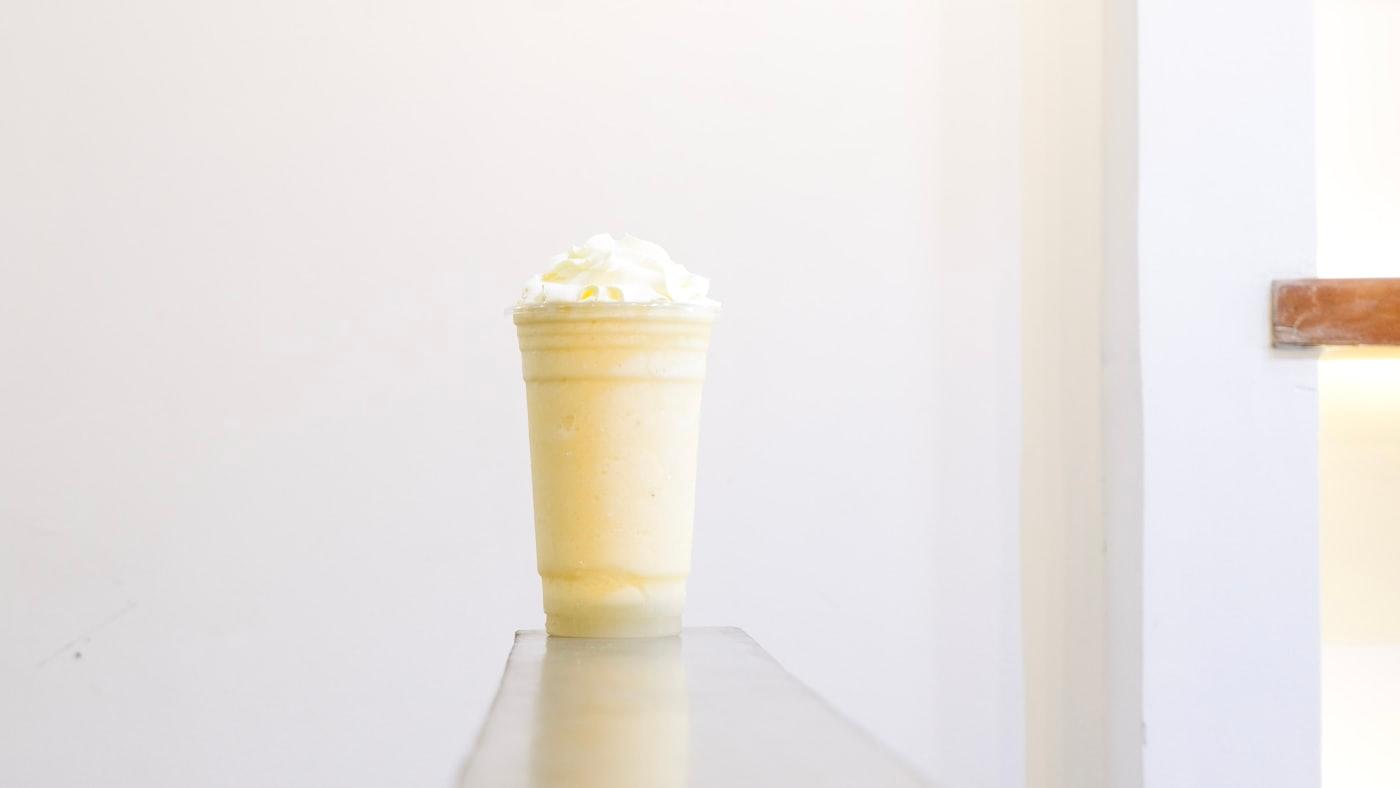
In reality, of course, Butterbeer is not brewed with hops. Home versions are non-alcoholic drinks built on soda or cream soda, spiked with a buttery-caramel syrup and topped with a whipped foam. The taste is rich: butter, brown sugar, vanilla and butterscotch. This is essentially the recipe officially served at the Universal theme parks, and it is easy to replicate at home.
If you want to throw a Hogwarts-style evening, this is where to begin — we have a detailed recipe for Butterbeer from Harry Potter with step-by-step instructions and that famous cap of whipped foam. It is the most recognisable flavour of the saga and the simplest to pull off.
Pumpkin juice and the drinks of the Hogwarts Express
Along the tables of the Great Hall, beside the goblets, stand jugs of pumpkin juice — the students drink it at breakfast instead of the orange juice we are used to. It sounds exotic, but the idea is not so magical: in British and American cooking, pumpkin has long found its way into drinks and desserts, especially in autumn.
At home, pumpkin juice is made from pumpkin purée, apple juice and spices — cinnamon, nutmeg, ginger. It is essentially a cousin of the classic American pumpkin spice. The result is a soft, gently spiced orange drink that looks wonderful on a festive table.
The saga also mentions other drinks:
- Firewhisky — a strong wizarding spirit for adults, an analogue of ordinary whisky with a "burning" kick.
- Mulled mead and cherry syrup with soda — drinks from the Three Broomsticks.
- Hot chocolate, which Professor Lupin gives Harry after his encounter with the Dementors in Prisoner of Azkaban.
Sweets from the trolley and Honeydukes
A universe of its own within the saga is the world of magical confectionery. A sweets trolley rolls through the Hogwarts Express, and in Hogsmeade the sweet shop Honeydukes dazzles the characters with its overflowing shelves.
Chocolate Frogs
Chocolate Frogs are chocolate shaped like frogs, enchanted to give one good hop before they are eaten. Inside each box is a collectible card bearing the moving portrait of a famous witch or wizard — this is how Harry first reads about Dumbledore. In reality it is, of course, just moulded chocolate: fans cast it in frog-shaped silicone moulds and print the cards as souvenirs.
Bertie Bott's Every Flavour Beans
Bertie Bott's Every Flavour Beans are jelly beans that might taste of strawberry — or of toast, grass, or something far worse. "I got a vomit-flavoured one once," Ron admits honestly. It is a candy version of Russian roulette. The real-world company Jelly Belly released an official version with genuinely bizarre flavours like earwax and rotten egg, much to the delight of brave fans.
Other legendary sweets include:
- Sugar Quills — quill-shaped lollipops you can "discreetly" suck on during a lesson.
- Acid Pops — they burn a hole in your tongue, a favourite of Dumbledore's.
- Drooble's Best Blowing Gum — its bubbles linger in the air for days.
- Cockroach Clusters and Blood-Flavoured Lollipops — treats for vampires and thrill-seekers.
Great Hall feasts: real British cuisine
Strip away the magic and the everyday food of Hogwarts is hearty, warming British fare — exactly what any graduate of an English boarding school would recognise. At the feasts the tables groan under:
- roast beef and roast chicken;
- pork and lamb chops;
- sausages, bacon and steak;
- boiled and roast potatoes, Yorkshire pudding;
- vegetables — peas, carrots, and mint sauce.
Yorkshire pudding here is not a dessert but an airy bake made from a thin batter, traditionally served alongside roast beef with gravy. It is a staple of the Sunday roast, and Rowling describes the Hogwarts table almost as a perfect British celebratory dinner.
For dessert come dishes with a deeply national character: treacle tart — Harry's favourite, a pie of treacle and breadcrumbs; trifle; spotted dick — a steamed suet pudding studded with raisins; apple pies and rice pudding. These are all entirely real English dishes you can make at home without a single spell.
Christmas dinner and festive food
Christmas at Hogwarts is the culinary climax of every book. The tables fill with everything the British traditionally eat at Christmas dinner: roast turkey, roast potatoes, mountains of pigs in blankets, and, for dessert, a flaming Christmas pudding.
Christmas pudding is a rich pudding of dried fruit, spices and suet, prepared well in advance and matured for weeks. Before serving it is doused in brandy and set alight — hence the "blue flames" Rowling describes. By tradition a silver coin is hidden inside for luck — exactly the coin the characters find in one of the scenes.
And of course the magical wizard crackers, which go off with the bang of a cannon and shower everyone with hats and surprises, are a magical version of the very real British Christmas crackers — no festive table on the islands is complete without them.
What is invented and what you can actually cook
Let's sum up. The saga's food can be loosely split into three groups:
- Entirely real. Roast beef, Yorkshire pudding, treacle tart, Christmas pudding, sponge cakes — this is authentic British cuisine. Take any classic recipe and cook away.
- Invented but reproducible. Butterbeer, pumpkin juice, Chocolate Frogs — dreamed up by Rowling, but fans and theme parks have long since made their own edible versions.
- Purely magical. Hopping sweets, cards with moving portraits, levitating mugs — these are effects of magic that you can only imitate with décor in real life.
The real charm of Hogwarts cooking is that almost all of it can land on your own table. Gather your friends, mix up some Butterbeer from Harry Potter, bake a treacle tart, set out a jug of pumpkin juice — and your Great Hall evening is ready. The magic, it turns out, hides in simple, familiar ingredients.