British cuisine has a reputation for being boring — and that may be the most stubborn culinary injustice in the world. Ask anyone what people eat in England and you'll hear two words: "fish and chips." But behind that stereotype lies a rich, comforting and surprisingly varied food culture, shaped by an island climate, imperial history and a deep love of simple, hearty fare.
For centuries Britain has gathered flavours from across the globe — from Indian spices to Caribbean rum — while carefully guarding its own rural traditions: pies, puddings and biscuits for tea. This is a cuisine where what matters isn't the gleam of a fine-dining restaurant, but the warmth of the home table and the comfort of ritual. And it's the cuisine that gave us perhaps the most recognisable fictional food in popular culture — the magical treats from the Harry Potter world.
Let's dig into what Britons actually eat, where their signature dishes came from, and why English cooking deserves a second chance.
Fish and Chips: A National Icon
Let's start with the dish that became the country's calling card. Fish in a crispy batter served with thick-cut fried potatoes appeared in Britain in the mid-19th century. Fried fish arrived with Jewish immigrants from Portugal and Spain, while fried potatoes are thought to have come from the north of England. Their union happened around the 1860s, and by the early 20th century thousands of "chippies" were operating across the country.
Classic fish and chips is white fish (cod or haddock) in a flour-and-beer batter, deep-fried and served with British-style chips: thick, soft in the middle. It comes with a generous shake of salt, malt vinegar, and often mushy peas or tartar sauce. The dish was traditionally wrapped in newspaper — that's history now, but the spirit of street food remains.
Interestingly, fish and chips was one of the few foods not subject to rationing during the Second World War — the government understood it was part of the national morale.
The Full English Breakfast
If there's one meal capable of fuelling you for an entire day, it's the full English breakfast, which Britons affectionately call a "fry-up." It's not just a meal — it's a morning declaration of intent.
The classic line-up includes:
- fried eggs (or scrambled);
- bacon and sausages (bangers);
- baked beans in tomato sauce;
- fried tomatoes and mushrooms;
- black pudding (blood sausage);
- buttered toast and sometimes fried bread;
- regionally, potato cakes or hash browns.
The roots of this abundance lie in rural Britain and the Victorian era, when a substantial breakfast signalled hospitality and prosperity. The Scots, Irish and Welsh have their own versions — the Scots add a tattie scone and haggis, while the Welsh bring laverbread made from seaweed. Today the fry-up is, above all, a weekend ritual and a salvation after a long night.
Pies and Puddings: The Soul of the British Table
If anything unites the whole of British cooking, it's a love of filled pastry and the word "pudding." The latter, in Britain, means not only a sweet dessert but sometimes any dish served at the end of a meal — and occasionally something entirely savoury.
Savoury Pies
Pies are the bedrock. The Cornish pasty is a half-moon parcel of shortcrust pastry filled with beef, potato, swede and onion, which Cornish miners carried underground: the thick crimped edge served as a "handle" to hold with dirty hands. Steak and kidney pie, shepherd's pie (made with lamb) and cottage pie (with beef) under a mashed-potato "lid" are all hearty winter classics.
Puddings
Among the puddings are true legends. Yorkshire pudding isn't a dessert at all, but an airy baked batter of flour, eggs and milk, served alongside roast beef with gravy. Sticky toffee pudding is a moist date sponge in caramel sauce. Christmas pudding is a dense, matured dessert of dried fruit and spices, traditionally set alight with brandy before serving.
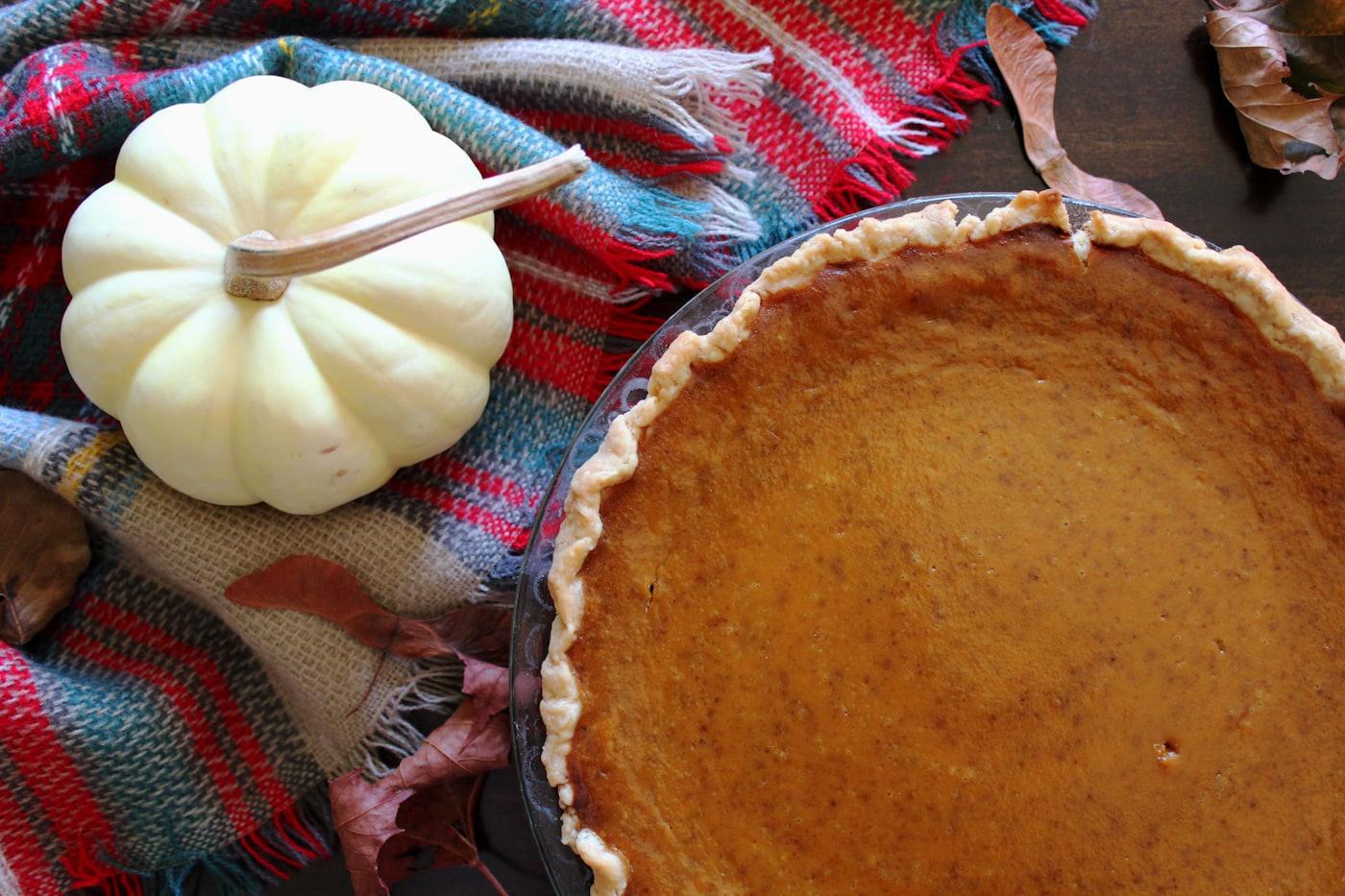
This very baking tradition leads us naturally to the magical treats. If you fancy something British in spirit but with a touch of magic, start with Pumpkin Pasties from Harry Potter — they're inspired by those same Cornish pasties, only with a sweet pumpkin filling.
Five O'Clock: The Ritual of Tea
Tea in Britain isn't a drink — it's a social institution. The tradition of afternoon tea was born around 1840 thanks to Anna, Duchess of Bedford: between an early lunch and a late dinner she felt a "sinking feeling" and began asking for tea with light snacks around five o'clock. The habit took hold among high society and then spread across the country.
A classic afternoon tea comes on a three-tiered stand:
- at the bottom, dainty sandwiches (cucumber, salmon, egg, ham);
- in the middle, fresh scones with clotted cream and jam;
- at the top, cakes, tartlets and biscuits.
A crucial point of British etiquette and an eternal argument: what goes on the scone first — cream or jam? In Devon they put cream first, in Cornwall it's jam. This is serious; people have argued about it for decades.
Don't confuse afternoon tea with high tea: despite the "aristocratic" ring, high tea was a substantial working-class supper of hot dishes, eaten at a high dining table.
Magic on the Plate: British Cuisine in Harry Potter
It's no accident that J.K. Rowling filled the wizarding world with such recognisably British food — the feasts in Hogwarts' Great Hall practically breathe English culinary tradition: roast beef, Yorkshire pudding, peppermint humbugs, treacle. But two things stuck with fans above all: pumpkin pasties and butterbeer.
The pumpkin pasties sold from the trolley on the Hogwarts Express are a direct nod to the Cornish pasty. The books describe them sparingly: a sweet pastry with pumpkin. So real-world cooks adapt them freely — usually making shortcrust or puff pastry with a spiced pumpkin filling in the style of a pumpkin pie. This is an honest adaptation rather than a canonical recipe, since Rowling never gives an exact composition.
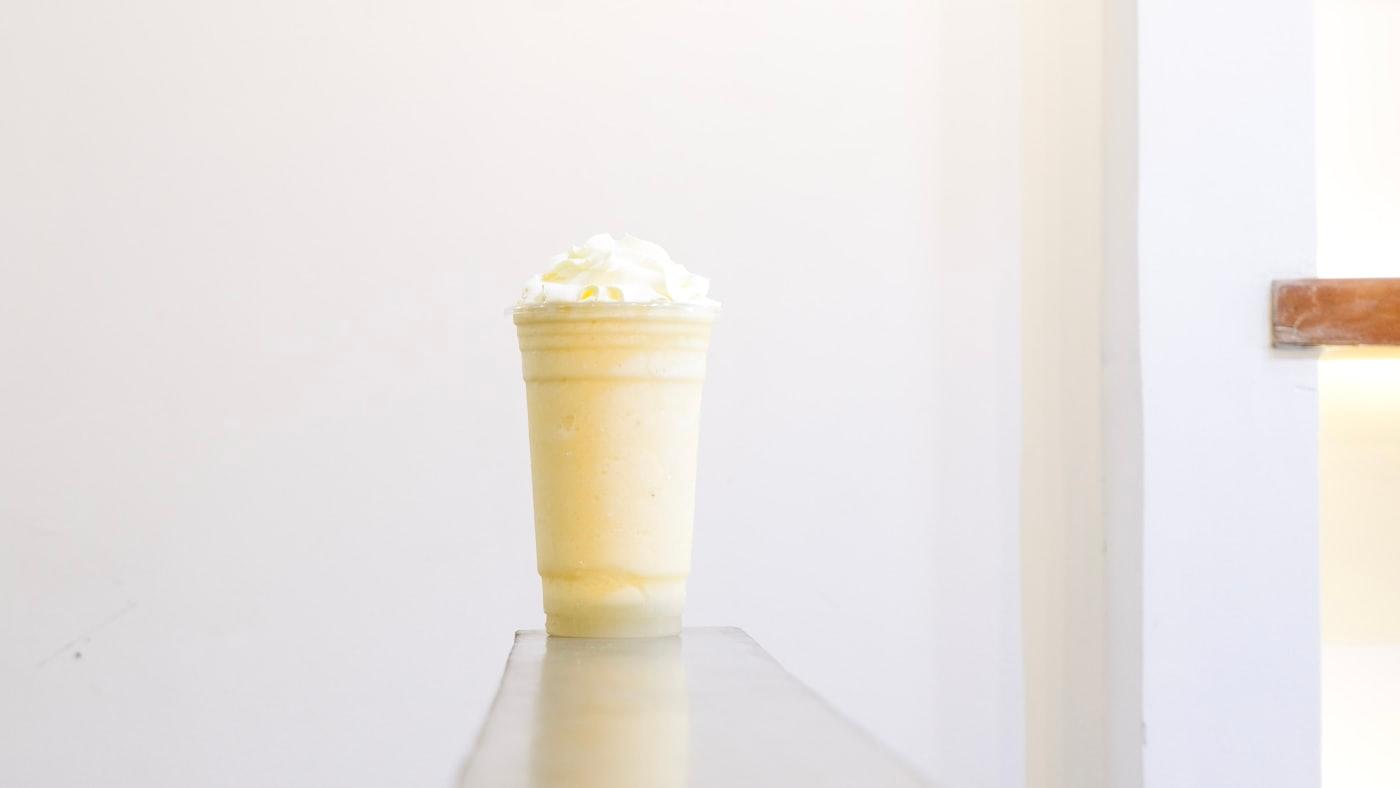
Butterbeer is an even more mysterious drink. In the canon we know it's sweet, slightly foamy, warming in winter and very low in alcohol (house-elves get tipsy on it; humans don't). Real-world versions are built around a creamy, butterscotch flavour: the base is usually a soda or cream blend with notes of butter, vanilla and toffee. The famous version from the theme parks is served cold with a thick foam topping. Again, there's no single "correct" recipe in the books — it's a space for creativity.
Want to feel that magic at home? Try our Butterbeer from Harry Potter and Pumpkin Pasties from Harry Potter — both adaptations honestly build on the dishes' British roots.
Conclusion
British cuisine is a story of warmth, tradition and unexpected variety. Behind the "fish and chips" label hide comforting pies, ceremonial Sunday roasts with beef, cosy tea times, and baking that inspired one of the most beloved fictional culinary universes in the world.
The best way to understand a cuisine is to cook it yourself. Start with the magical treats that bridge British tradition and fantasy: bake some pumpkin pasties or whip up a mug of butterbeer. From there it's a short step to real Cornish pasties, scones and Yorkshire pudding. The British table is waiting for you — and it's far more generous than it first appears.