Do you remember that scene in The Princess and the Frog where little Tiana cooks in the kitchen with her father, and the air fills with the sweet smell of frying dough? Those golden squares buried under a generous drift of powdered sugar aren't just a tasty bit of animation. They are beignets — a true culinary symbol of New Orleans, the city where the whole story unfolds.
For Tiana, beignets are more than a treat. They are a family recipe, a dream of opening her own restaurant, and a memory of her father, who believed that good food brings people together. Disney didn't invent the dish for a pretty picture: beignets really are served on every corner of New Orleans, and for the people of Louisiana they are as recognizable as a croissant is for a Parisian.
Let's dig into what these little fried pillows are, why they're so deeply tied to the French Quarter, and how Creole and Cajun cooking made them their own. At the end you'll find a link to a tested recipe so you can fry up a piece of New Orleans right in your own kitchen.
What beignets actually are
A beignet is a deep-fried pillow of yeasted dough, served piping hot and buried under powdered sugar. In French, the word beignet simply means "fried dough" or "fritter." These aren't round, hole-in-the-middle doughnuts but puffy squares or rectangles that balloon up as they fry and turn hollow inside.
The classic New Orleans version is made from a humble set of ingredients: flour, yeast, sugar, milk (often with a splash of evaporated milk), egg, and a little fat. The dough is soft and slightly stretchy. The real secret is the oil temperature: high heat creates a thin, crisp crust on the outside while the inside stays airy and nearly empty.
Here's what sets a true beignet apart:
- Shape — squares or rectangles with no hole, not the classic ring.
- Texture — crisp on the outside, hollow and tender within, never dense.
- Serving — always hot and under a heavy "snowdrift" of powdered sugar.
- Pairing — traditionally with a cup of chicory coffee (café au lait).
Interestingly, beignets exist in many forms around the world: in France they can be sweet or savory fritters, while Italian zeppole and Spanish buñuelos are close cousins in spirit. But it's the New Orleans square dusted with sugar that became a movie star.
Café du Monde — the coffee shop everyone recognizes
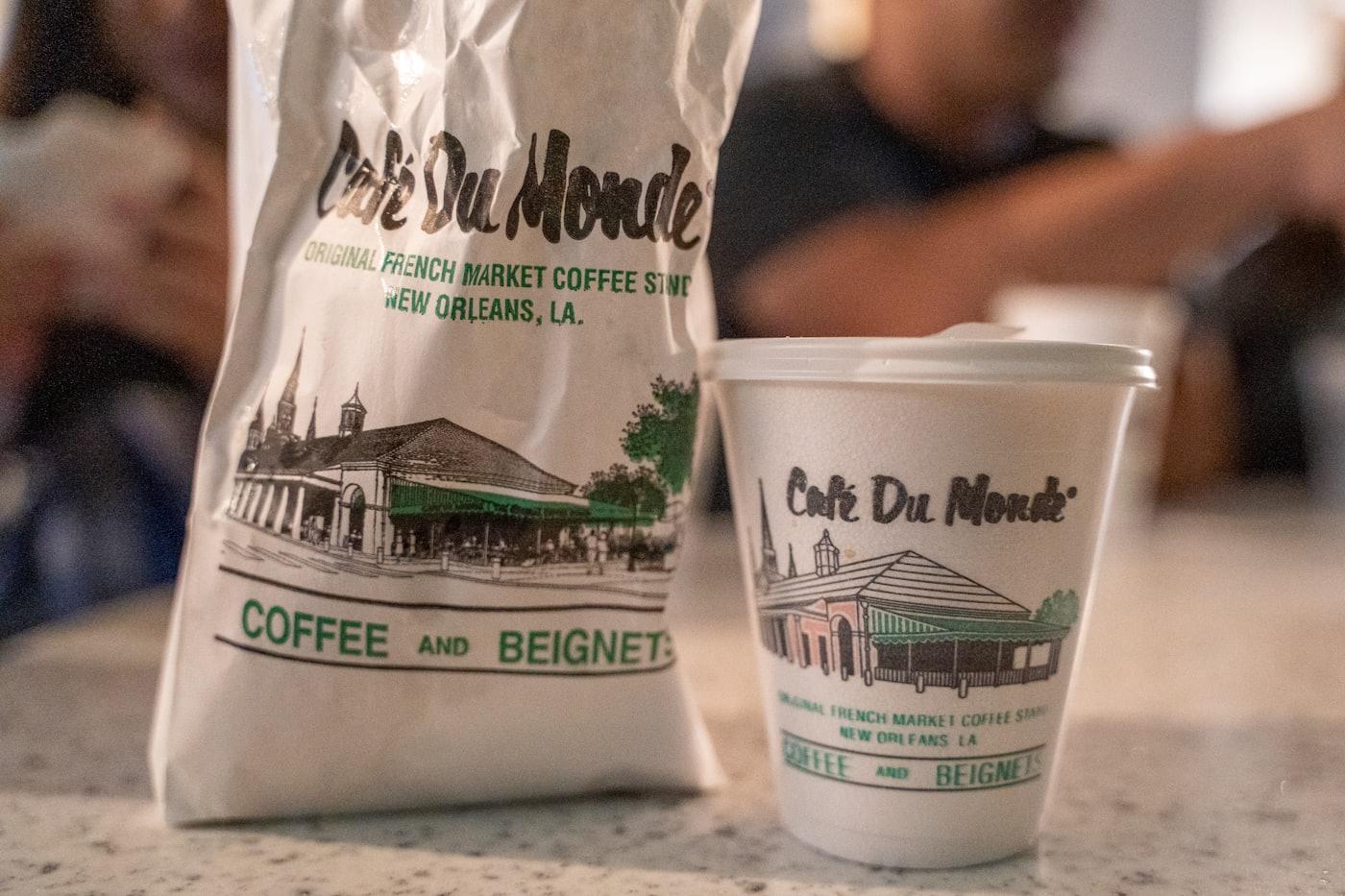
When people talk about beignets, it's nearly impossible not to mention Café du Monde. This legendary café in the French Quarter of New Orleans, open since 1862, runs around the clock with almost no days off. Its signature menu is famously short: beignets and chicory coffee — and that's essentially it.
It was exactly this image of an open-air street café serving doughnuts and coffee that inspired the creators of The Princess and the Frog. The little restaurant run by Tiana's father and her own dream of a place called Tiana's Place nod to this culture of small family-run cafés and diners that form the city's culinary soul.
Chicory coffee is a story of its own. During the American Civil War, coffee was scarce, so Louisianans began adding ground chicory root to stretch their supplies. The habit stuck: chicory's slightly bitter, earthy flavor is a perfect foil for the sweetness of beignets. Today the pairing is a ritual, and a visit to New Orleans feels incomplete without it.
Creole and Cajun cuisine: the roots of the flavor
To really understand beignets, it helps to look deeper — into the cuisine of Louisiana, one of the most distinctive in North America. Several culinary traditions are woven together here, and from that blend came the region's unmistakable taste.
Creole cuisine
Creole cooking grew up in the cities, above all in New Orleans itself. It absorbed French, Spanish, African, Caribbean, and local Native American influences. Creole food is often called the more "urban" and refined style: it makes room for tomatoes, creamy sauces, and elaborate dishes like gumbo and jambalaya. Beignets sit closest to this tradition — a legacy of French settlers, reimagined on new soil.
Cajun cuisine
The Cajuns are descendants of French-speaking Acadians, expelled from Canada in the 18th century, who settled in rural Louisiana. Their cooking is more rustic, hearty, and spicy, built around what the swamps and fields provided: rice, beans, crawfish, and spices. Cajun and Creole cuisines are closely intertwined, but Cajun is usually simpler and more down-to-earth.
Here are a few dishes that, alongside beignets, paint the culinary portrait of Louisiana:
- Gumbo — a thick stew with meat or seafood, okra, and a dark roux base.
- Jambalaya — rice simmered with meat, vegetables, and spices, a relative of Spanish paella.
- Étouffée — crawfish or shrimp in a rich roux-based sauce, served over rice.
- Beignets — the sweet note in this feast, dessert and breakfast all at once.
In the movie, Tiana's father cooks gumbo and shares it with the whole neighborhood — a scene that captures the spirit of Louisiana cooking, where food is always about generosity and community.
Beignets in The Princess and the Frog: canon vs. reality
In the film, beignets are shown faithfully — and that's a pleasure. Tiana makes exactly the square fried doughnuts dusted with sugar, the very same ones served in real New Orleans. Disney didn't make anything up here: the dish is genuine, and its role in the story is a symbol of the heroine's dream and hard work.
What's artistic license and what's real:
- Real: the recipe itself, the shape, the powdered-sugar serving, the tie to New Orleans, and Café du Monde as the inspiration.
- Artistic: the specific "Tiana's family recipe" is a storytelling device, not an existing historical formula. But it rests on the completely real technique for making beignets.
In other words, if you make beignets from a classic recipe, you'll get exactly the dish that inspired the heroine. No magical ingredients required — just yeasted dough, hot oil, and a generous hand with the powdered sugar.
If you'd like to recreate the on-screen flavor at home, take a look at our detailed Tiana's Beignets from The Princess and the Frog recipe: it walks you step by step through mixing the dough, letting it rise, and frying the pillows to a golden crust.
A few tips for beignets that work
Beignets aren't complicated, but they're fussy about the details. Here's what to keep in mind:
- Give the dough time. Yeasted dough needs to rise properly — that's what creates the puff and the hollow center.
- Watch the oil temperature. Around 350°F (175°C) is ideal. Oil that's too cold makes beignets soak up grease and turn heavy; too hot and they scorch outside while staying raw inside.
- Don't skimp on the sugar. In New Orleans they pile it on until the plate looks like a small snowbank. That's part of the fun.
- Eat them right away. Beignets are only good hot; once they cool, they lose their magic. Fry in small batches and serve immediately.
Conclusion
A beignet is more than a doughnut — it's a small story about French roots, about a city on the swampy banks of the Mississippi, and about a dream that Tiana brought to life so touchingly. Behind a simple square of dough under powdered sugar lie centuries of culinary blending, a legendary café that never turns off its lights, and an entire philosophy of Louisiana hospitality.
The best part is that you can recreate this flavor in your own kitchen — no magic needed, just the real aroma of New Orleans. Brew a cup of coffee, mix up the dough, and treat yourself to a little celebration in the spirit of The Princess and the Frog. The step-by-step recipe is already waiting for you — enjoy!