A culinary journey requires no passport and no plane ticket. All you need is a pan, a couple of new spices and the curiosity to try something unfamiliar. World cuisines are not just collections of recipes — they are entire cultures pressed onto a plate: the history of trade routes, climate, festivals and the everyday habits of millions of people.
But with so many cuisines to choose from, it is easy to feel lost. Where do you begin? Which dish captures the character of a country without scaring you off with a long list of exotic ingredients? We picked five cuisines that are perfect for a beginner: vivid, instantly recognizable and friendly to the home cook.
For each cuisine we will describe its character and suggest one iconic dish to start with. Grab an apron — let's hit the road.
Italy: simplicity as the highest form of flavor
Italian cuisine is a great starting point because it is built on respect for the ingredient. Instead of masking the taste of a tomato under a dozen sauces, an Italian cook picks a ripe tomato and lets it sing. The guiding principles are few ingredients, high quality and as little fuss as possible.
It helps to remember that there is no single "Italian cuisine" — it is a mosaic of regional traditions. The north loves butter, rice and polenta; the south favors olive oil, tomatoes and seafood. Naples gave the world pizza, Bologna its rich meat sauces, and Sicily its desserts full of citrus and pistachio.
Where to start: Margherita Pizza
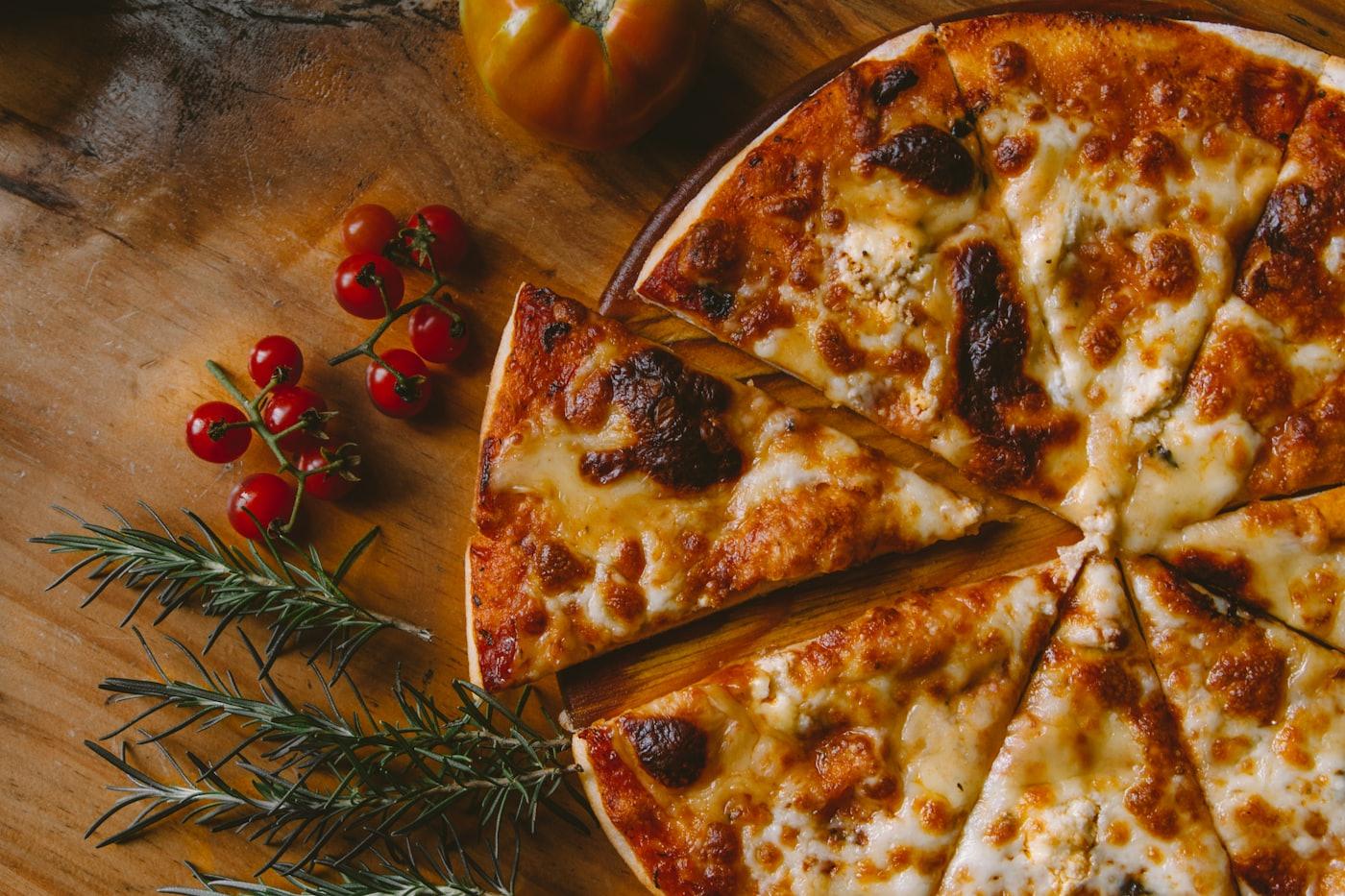
The iconic dish to begin with is, of course, Margherita Pizza. According to legend, it was created in Naples in the late 19th century in honor of Queen Margherita of Savoy, with toppings echoing the Italian flag: red tomatoes, white mozzarella and green basil. The story is more charming than fully documented, yet the Margherita truly became the benchmark of Neapolitan pizza.
Its strength lies in honesty: thin dough, a tomato sauce made from good tomatoes, mozzarella and fresh basil. No ten kinds of sausage required. Once you can make a proper Margherita, you grasp the core idea of Italian cooking — the best dish is often the simplest one.
Georgia: generosity, wine and cheese
Georgian cuisine is all about hospitality and abundance. The table — called a "supra" in Georgian — is rarely modest: it brings together spicy sauces, fragrant herbs, nuts, cheese and, naturally, wine, which Georgians have been making for thousands of years. Georgia is in fact one of the oldest winemaking regions on the planet.
The Georgian palate is recognizable thanks to its spices and seasonings: khmeli-suneli, utskho-suneli (blue fenugreek), cilantro, garlic and walnut. The walnut plays a role unusual to European cooks — it is turned into sauces and dressings. And cheese here is not a garnish but a leading character.
Where to start: Adjarian Khachapuri
For a first encounter, Adjarian Khachapuri is ideal — an open boat of leavened dough filled with molten cheese and topped with butter and an egg. The shape is no accident: the boat is said to symbolize the Black Sea harbor of Adjara, while the yolk stands for the sun.
There is even a ritual to eating it: you tear off the tip of the boat, swirl the egg into the butter and cheese, then dip pieces of bread into the hot cheesy center. It is filling, warming and instantly understandable, even to someone who has never set foot in Georgia. It is the best illustration of the national character — generous and warm-hearted.
Mexico: bright, bold and layered
Mexican cuisine is so valuable to world culture that in 2010 UNESCO added it to the list of the Intangible Cultural Heritage of Humanity. And this is not about the fast-food version buried under melted cheese, but about an ancient tradition with roots reaching back to the Aztecs and Maya.
The foundation of Mexican cooking is corn, beans, chili peppers, tomatoes and cacao. Corn becomes tortillas — flatbreads that serve as bread, plate and spoon all at once. There are dozens of kinds of chili, and many are not about heat at all: they add smokiness, fruitiness and depth. Sauces such as the legendary mole can be built from dozens of components.
Where to start: Tacos al Pastor
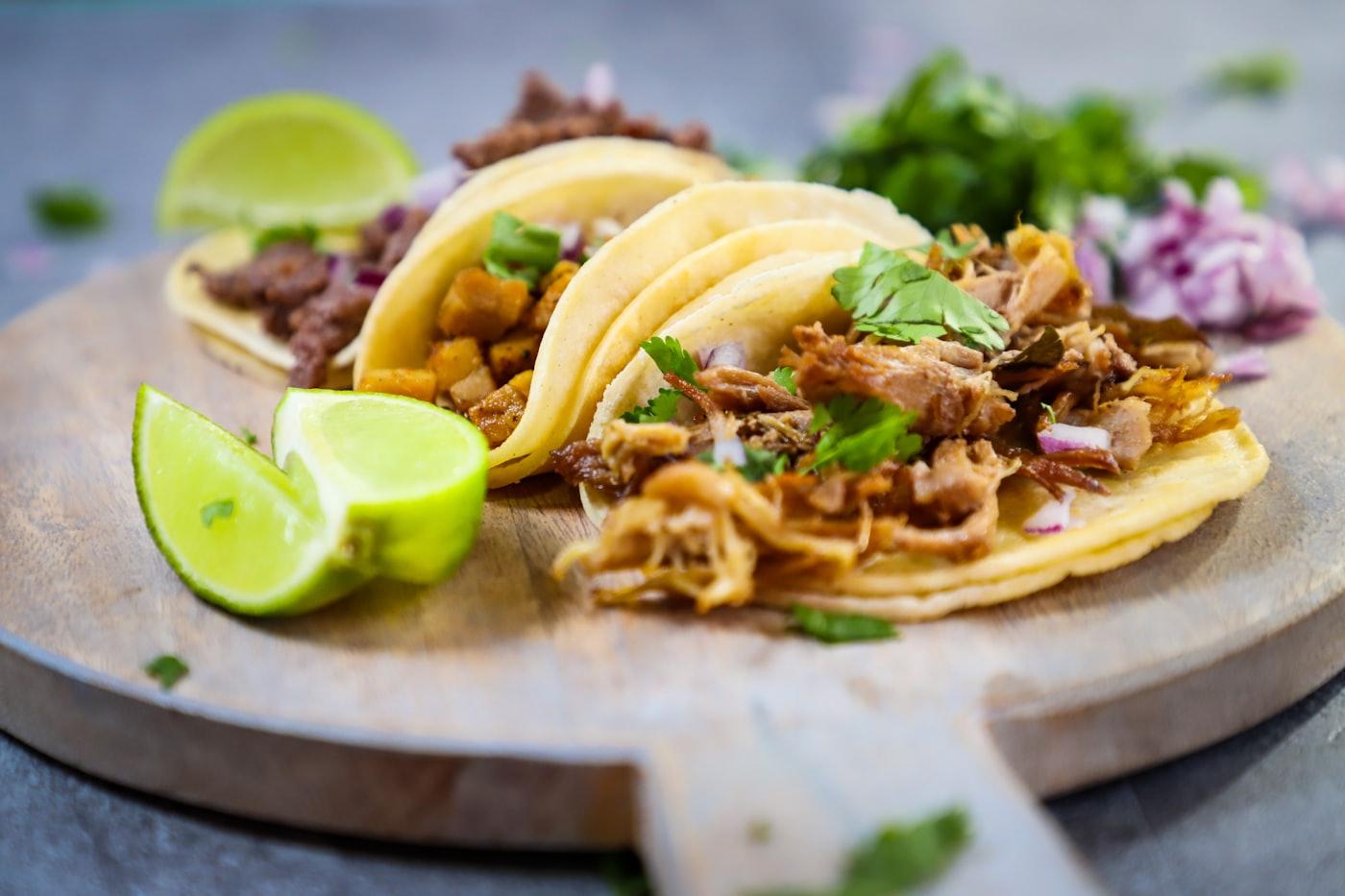
Try Tacos al Pastor — a remarkable example of cultures in dialogue. Mexicans borrowed the technique of cooking marinated pork on a vertical spit from Lebanese immigrants, who had brought shawarma to the country, then adapted it to local tastes by adding chili, pineapple and corn tortillas.
The finished taco is a small tortilla cradling juicy, spiced pork with bits of pineapple, onion and cilantro. A few bites and the whole character of Mexican cuisine is in your mouth: sour, sweet, spicy and smoky all at once. It is the perfect dish for learning that spicy does not mean "painful" but "interesting."
Thailand: the balance of four flavors
Thai cuisine is a masterclass in balance. A single dish often carries four tastes at once — sour, sweet, salty and spicy — and sometimes a fifth, umami. A Thai cook constantly "tunes" the dish, tasting and adjusting it until it reaches harmony.
The ingredients that create this unmistakable profile are lemongrass, kaffir lime leaves, galangal (a relative of ginger), fish sauce, coconut milk, chili and lime juice. Many of them once seemed wildly exotic, but today you can find them in large supermarkets and Asian grocery stores.
Where to start: Tom Yum with Shrimp
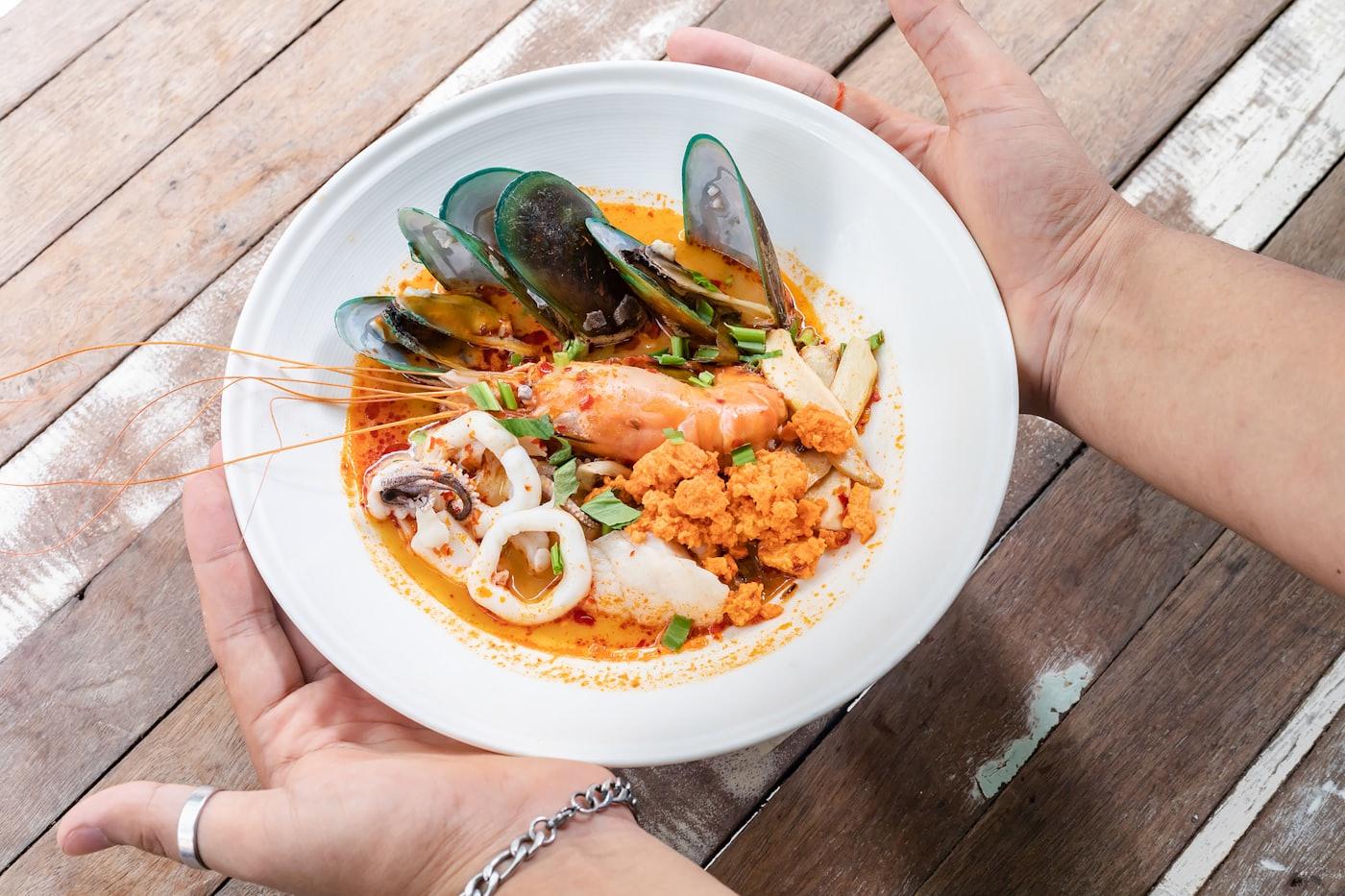
The classic introduction is Tom Yum with Shrimp. This hot, hot-and-sour soup is exactly where the Thai philosophy of balance shows itself. Lemongrass and kaffir lime bring bright citrus freshness, chili brings heat, fish sauce brings savory depth and lime juice brings the tang.
There are two main versions: the clear "tom yum nam sai" and the creamier, more familiar "tom yum nam khon" with added coconut or evaporated milk. The first time you make tom yum at home and taste it, you will understand why Thai food is loved around the world: it lights up every taste receptor at once.
Japan: aesthetics, seasonality and umami
Japanese cuisine (washoku) is also recognized by UNESCO as intangible heritage. Its philosophy is respect for nature and the seasons: a dish should reflect the time of year not only in flavor but also in appearance. What matters here is clean taste, careful plating and balance, rather than an intensity of spices.
It was in Japan, in the early 20th century, that the scientist Kikunae Ikeda identified umami — the "fifth taste," that deep, rich, savory note. The source of umami in Japanese cooking is dashi, a stock made from kombu seaweed and shavings of dried tuna (katsuobushi). It underpins soups, sauces and countless dishes.
Where to start
For your debut in Japanese cooking, skip sushi (it demands skill and very fresh fish) and choose something homey and warm. Excellent options include:
- Miso soup — a simple soup built on dashi and miso paste, a staple of the Japanese breakfast.
- Gyoza — pan-fried crescent dumplings that are clear and beloved by many.
- Onigiri — filled rice triangles, the Japanese answer to a grab-and-go snack.
- Teriyaki — chicken or salmon in a sweet-savory glazed sauce, an easy way to fall for Japanese flavors.
Any of these will show you that Japanese cuisine is not only about expensive restaurants but also about cozy home cooking.
How to plan your journey
Do not try to master all five cuisines in a week. It is far more rewarding to pick one, cook its signature dish and truly taste its character before moving on. A few final tips:
- Begin with the simple. Margherita and khachapuri call for fewer special ingredients than tom yum.
- Build a basic kit of spices and sauces. Fish sauce, good olive oil, a set of Georgian seasonings — and half of these dishes become within reach.
- Taste as you cook. This is especially crucial for Thai food, where flavor is dialed in to balance.
- Do not fear mistakes. Your first pizza may turn out less than perfect — that is normal. Cooking is a skill, not a talent.
Five cuisines, five different ideas of what delicious food means. Italians teach simplicity, Georgians generosity, Mexicans boldness, Thais balance and the Japanese attention to detail. Choose any one of them and take the first step: your culinary journey begins right in your own kitchen.